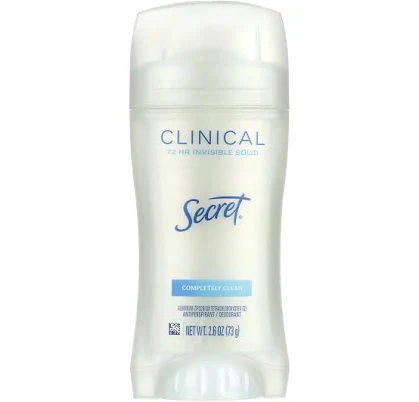
Secret Clinical Strength Invisible Solid Antiperspirant Deodorant
Skip unless P&G confirms PFAS stance; brand silence on forever chemicals is concerning.
Secret offers no public PFAS disclosure for this aluminum-based antiperspirant. Without third-party testing or brand certification, confidence remains low.
The better-graded swap
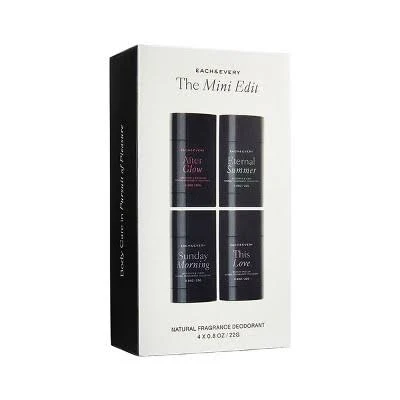
Each & Every
Each & Every The Mini Edit
100/100 safety
Same rubric that flunked this product. The swap earned Excellent.
Still want this one anyway? Check the price on Amazon. We’d swap it.
Material
Aluminum-based antiperspirant compound with silica, fragrance
Brand disclosure
Brand is silent on PFAS
Lab data
No public lab test
You may also be interested in
Top-graded picks in the categories readers replace first, every one scored on the same rubric.

- polypropylene filter housing, carbon/sediment cartridge
- We found no PFAS statement from the brand
- Bacterial growth in spent cartridges
3 hazards checked on this product, all on its full breakdown.

Aquasure
Premier Series 75 GPD Under Sink Reverse Osmosis Water Filtration System
- RO membrane, carbon filters, stainless steel housing
- We found no PFAS statement from the brand
- Bacterial and microbial growth in housing and filters
4 hazards checked on this product, all on its full breakdown.

Avocado
Vegan Mattress
- organic cotton, natural latex, coconut coir, recycled steel coils
- The brand calls it PFAS-free, which we have not verified
- Heavy metals
2 hazards checked on this product, all on its full breakdown.
What Secret Clinical Strength Deodorant is made of, ingredients and materials
Secret Clinical Strength contains aluminum-based active ingredients (likely aluminum chlorohydrate or similar salt) that block sweat ducts, plus silica as a texture agent and proprietary fragrance. Aluminum compounds have been used in antiperspirants for decades and are regulated as over-the-counter drugs by the FDA; the silica is generally inert in solid form. The opaque fragrance blend is the primary material uncertainty, as 'fragrance' on labels typically conceals dozens of unlisted chemicals, some of which may sensitize skin or pose inhalation risk with regular use.
What’s concerning
Category baseline
The starting point for this type of product, before anything specific to this product is counted.
No PFAS disclosure
No public statement from the brand about PFAS in this product.
Aluminum systemic absorption and neurotoxicity concern
Aluminum chlorohydrate penetrates the skin barrier in small amounts; long-term accumulation in bone and brain tissue is theoretically possible but not proven to cause disease in typical antiperspirant users. The FDA considers antiperspirant-grade aluminum acceptable at current exposure levels, though the threshold for sensitive or daily users remains debated in independent literature.
Fragrance allergens and sensitizers (unlisted)
Secret's proprietary fragrance blend is not itemized on the label. Common fragrance chemicals (e.g., limonene, linalool, geraniol) can trigger contact dermatitis or airway irritation in sensitized individuals. Undisclosed fragrance has been linked to allergic reactions in sensitive users of antiperspirants; incidence is low but documented.
Skin irritation from repeated daily application
Aluminum salts can cause irritation, especially on sensitive skin, compromised barrier, or with frequent reapplication within 24 hours. Clinical-strength formulations are more likely to trigger contact dermatitis than regular-strength; incidence is low but documented in sensitive populations.
PFAS
P&G has not disclosed PFAS testing or commitments for Secret. Silica and fragrance components may contain trace PFAS; absence of disclosure does not mean absence of contamination. The 65/100 PFAS grade reflects industry average risk, not confirmation of safety.
Source, ATSDR ↗What’s reassuring
Base material not linked to PFAS
The main material recorded for this product is not one associated with PFAS.
Silica inhalation if applied as powder or aerosolized
This product is a solid stick, not an aerosol or loose powder, so silica inhalation risk is minimal during normal application. However, if the stick is shaved, crushed, or stored near heat (causing dust), fine silica particles could pose respiratory risk with chronic exposure; this is a use-dependent hazard rather than a formulation flaw.
How is this PFAS grade calculated?
The brand's record and disclosure
Procter & Gamble (parent company) has not publicly committed to eliminating PFAS from formulation or published ingredient transparency beyond FDA minimums. P&G has faced scrutiny over PFAS in other personal care lines but remains silent on Secret antiperspirant specifically. No major safety recalls are on record for this product, and it carries no third-party certifications (e.g., EWG, Leaping Bunny). This silence on forever chemicals in a topical product applied daily is a disclosure gap rather than proof of contamination, but it limits your ability to make a fully informed choice.
How it compares in its category
Secret Clinical Strength sits in the mainstream, mass-market segment. Aluminum antiperspirants in this tier typically pose similar hazard profiles. Brands like Dove and Degree are comparable; natural/aluminum-free alternatives (e.g., Primal Pit Paste, Native) avoid aluminum but often sacrifice efficacy or contain untested plant extracts. Secret's 'invisible solid' format reduces talc exposure compared to powders, a modest advantage over older formulations.
If you buy it
Apply to clean, dry skin (wet application increases irritation and aluminum absorption). Do not use on broken or freshly shaved skin, and avoid contact with eyes and mucous membranes. Replace annually or sooner if the stick dries out or develops odor, as degraded formulations may harbor bacteria. If you develop rashes, redness, or respiratory irritation, discontinue and switch to fragrance-free or aluminum-free alternatives; these reactions are rare but more common in sensitive individuals.
What is not known about PFAS in this product?
- Basis
- Model estimate, 35% confidence, not a lab result
- Lab test
- None on record for this exact product
- Brand statement
- Secret has made none
Formulations change between production runs, so check the current label. How we grade.
What are the PFAS-free alternatives to Secret Clinical Strength Invisible Solid Antiperspirant Deodorant?
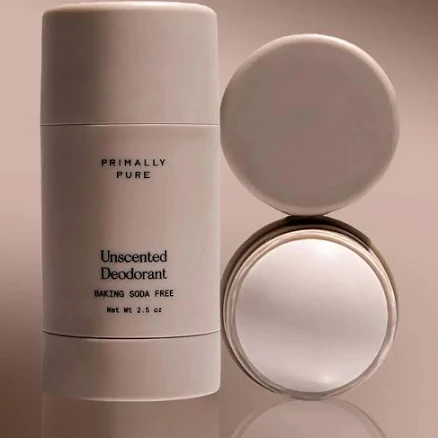
- mineral-based powder blend (arrowroot, magnesium hydroxide, mica)
- We found no PFAS statement from the brand
- Skin irritation from magnesium hydroxide alkalinity
- cosmetic formulations, primary ingredients listed
- A third party reports verifying it as PFAS-free
- Fragrance allergens (natural essential oils)
2 hazards checked on this product, all on its full breakdown.
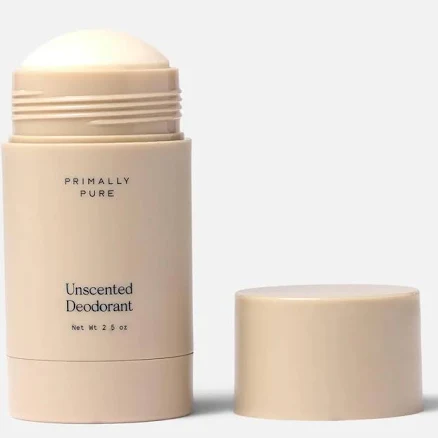
- natural mineral powders, plant-based actives, beeswax
- We found no PFAS statement from the brand
- Beeswax purity and contamination
2 hazards checked on this product, all on its full breakdown.
More deodorant grades
How we score, every product runs through the same public 0-100 rubric based on materials, coatings, brand disclosure, lab findings, and recalls. See the full methodology → Spotted a mistake? Report an error.