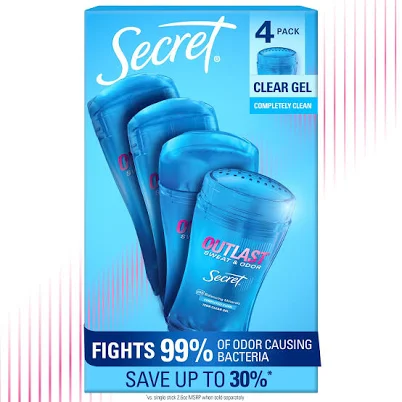
Secret Outlast Clear Gel Deodorant
No water-repellent treatment described, and no PFAS statement from the brand.
The product information we reviewed describes a clear gel antiperspirant base with no water-repellent treatment named. Long-wear or sweat-resistant claims on a deodorant describe performance, not a coating. Secret has published no PFAS statement for it.
The better-graded swap
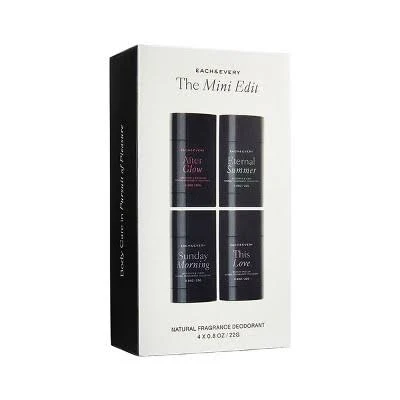
Each & Every
Each & Every The Mini Edit
100/100 safety
Same rubric that flunked this product. The swap earned Excellent.
Still want this one anyway? Check the price on Amazon. We’d swap it.
Material
Clear gel antiperspirant base
Brand disclosure
Brand is silent on PFAS
Lab data
No public lab test
You may also be interested in
Top-graded picks in the categories readers replace first, every one scored on the same rubric.

- polypropylene filter housing, carbon/sediment cartridge
- We found no PFAS statement from the brand
- Bacterial growth in spent cartridges
3 hazards checked on this product, all on its full breakdown.

Aquasure
Premier Series 75 GPD Under Sink Reverse Osmosis Water Filtration System
- RO membrane, carbon filters, stainless steel housing
- We found no PFAS statement from the brand
- Bacterial and microbial growth in housing and filters
4 hazards checked on this product, all on its full breakdown.

Avocado
Vegan Mattress
- organic cotton, natural latex, coconut coir, recycled steel coils
- The brand calls it PFAS-free, which we have not verified
- Heavy metals
2 hazards checked on this product, all on its full breakdown.
What Secret Outlast Clear Gel Deodorant is made of, ingredients and materials
Secret Outlast Clear Gel is a water-based antiperspirant gel formulation, typically containing aluminum salts (aluminum zirconium) as the active antiperspirant agent, along with glycerin, gelling agents, and fragrance. The 'clear gel' designation means it is designed to dry without visible residue on skin or clothing, which requires careful balance of polymers and solvents to prevent staining. No metal oxide coatings, ceramic treatments, or specialty surface finishes are present in this topical product, eliminating coating-related leaching risks found in cookware or durables.
What’s concerning
Category baseline
The starting point for this type of product, before anything specific to this product is counted.
No PFAS disclosure
No public statement from the brand about PFAS in this product.
Aluminum in antiperspirant salts
Aluminum zirconium complexes are the stated active ingredient. Long-term topical aluminum exposure remains under scientific review for systemic effects; regulatory bodies (FDA, EMA) have not identified concern at current use levels, but individual sensitivity varies. No product-specific toxicity reports exist for Secret Outlast.
Fragrance allergens and sensitizers
Secret Outlast is fragranced and does not disclose fragrance components publicly (proprietary blend). Common fragrance allergens (limonene, linalool, citral) are present in typical antiperspirant fragrances; dermal sensitization risk is low for most users but can occur with repeated application in sensitive individuals.
1,4-dioxane (cosmetic contaminant)
1,4-dioxane can be a trace impurity in ethoxylated surfactants and emulsifiers used in gel formulations. Secret has not published third-party testing data for this product; presence is not confirmed but cannot be ruled out without laboratory analysis.
What’s reassuring
Base material not linked to PFAS
The main material recorded for this product is not one associated with PFAS.
Formaldehyde / VOCs
No publicly confirmed use of formaldehyde-donor preservatives (DMDM hydantoin, imidazolidinyl urea) in this product formulation. Standard deodorant preservatives (parabens, phenoxyethanol) are not classified as formaldehyde releasers.
Source, ATSDR ↗Heavy metals
Clear gel formulations typically use minimal colorants; this product contains no iron oxides, titanium dioxide, or synthetic color lakes known to concentrate heavy metals. Fragrance oils occasionally carry trace metals, but concentrations in topical deodorant use are considered negligible.
Source, FDA ↗How is this PFAS grade calculated?
The brand's record and disclosure
Procter & Gamble (Secret's parent company) has not made a public statement regarding PFAS intentionality or phase-out timelines in personal care products, placing Secret in a silent stance category. The brand does not hold third-party certifications (EWG Verified, Cradle to Cradle, Clean Beauty seal) specific to this product. Secret has not faced documented safety recalls or clinical adverse event filings tied to Outlast formulations in the last decade.
How it compares in its category
Clear gel antiperspirants are mainstream category leaders; Secret Outlast is a high-volume product with routine formulation updates. Competitors offering certified clean or PFAS-transparent alternatives (e.g., Kristof Clear Gel, Native) exist but command price premiums. Standard gel antiperspirants across major brands share identical aluminum salt chemistry and comparable fragrance and preservative systems; this product does not stand out as higher or lower risk within mass-market gel segment.
If you buy it
Apply to clean, dry skin; avoid contact with eyes and broken skin. Do not use on children under 12 without dermatologist guidance due to potential aluminum systemic absorption (though exposure from topical antiperspirant use is considered low-level). Store in a cool, dry place; do not expose to temperatures above 104F as gel formulations can separate or degrade. Replace every 12-18 months or when formula noticeably separates or hardens, indicating emulsion breakdown.
What is not known about PFAS in this product?
- Basis
- Model estimate, 45% confidence, not a lab result
- Lab test
- None on record for this exact product
- Brand statement
- Secret has made none
Formulations change between production runs, so check the current label. How we grade.
What are the PFAS-free alternatives to Secret Outlast Clear Gel Deodorant?
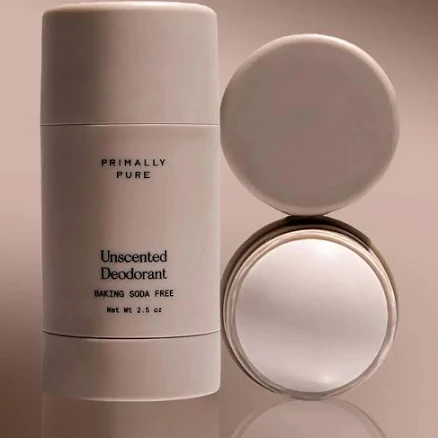
- mineral-based powder blend (arrowroot, magnesium hydroxide, mica)
- We found no PFAS statement from the brand
- Skin irritation from magnesium hydroxide alkalinity
- cosmetic formulations, primary ingredients listed
- A third party reports verifying it as PFAS-free
- Fragrance allergens (natural essential oils)
2 hazards checked on this product, all on its full breakdown.
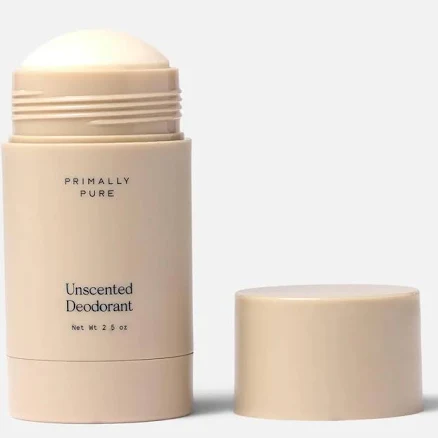
- natural mineral powders, plant-based actives, beeswax
- We found no PFAS statement from the brand
- Beeswax purity and contamination
2 hazards checked on this product, all on its full breakdown.
More deodorant grades
How we score, every product runs through the same public 0-100 rubric based on materials, coatings, brand disclosure, lab findings, and recalls. See the full methodology → Spotted a mistake? Report an error.