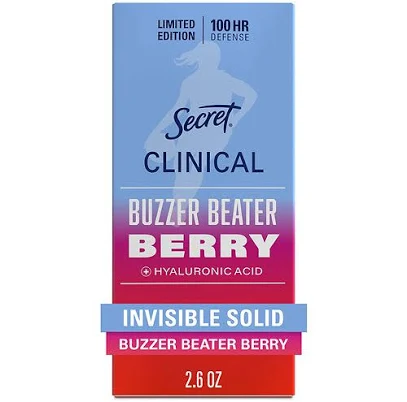
Secret Women's Clinical Strength 100HR Invisible Solid Antiperspirant Deodorant
Lower PFAS concern for a standard solid antiperspirant without water-resistance marketing.
This solid stick lacks advertised water-resistant or stain-resistant coatings that typically drive PFAS use. Secret provides no PFAS disclosure, and solid antiperspirants generally carry less risk than aerosols, but transparency gaps remain.
We flunk more products than we pass. This one earned its grade. How we grade
Material
Starch-based or talc-based solid antiperspirant; no water-repellent or durable coating disclosed
Brand disclosure
Brand is silent on PFAS
Lab data
No public lab test
You may also be interested in
Top-graded picks in the categories readers replace first, every one scored on the same rubric.

- polypropylene filter housing, carbon/sediment cartridge
- We found no PFAS statement from the brand
- Bacterial growth in spent cartridges
3 hazards checked on this product, all on its full breakdown.

Aquasure
Premier Series 75 GPD Under Sink Reverse Osmosis Water Filtration System
- RO membrane, carbon filters, stainless steel housing
- We found no PFAS statement from the brand
- Bacterial and microbial growth in housing and filters
4 hazards checked on this product, all on its full breakdown.

Avocado
Vegan Mattress
- organic cotton, natural latex, coconut coir, recycled steel coils
- The brand calls it PFAS-free, which we have not verified
- Heavy metals
2 hazards checked on this product, all on its full breakdown.
What Secret Women's Clinical Strength Deodorant is made of, ingredients and materials
Secret Clinical Strength is a solid stick antiperspirant based on either starch or talc as the primary carrier, mixed with aluminum zirconium salts (the active antiperspirant agent) and waxes or silicones for texture and adherence. The lack of water-resistant or "100-hour sweat-proof" polymer coatings reduces the likelihood of PFAS (fluorinated water repellents) in the formula. Solid sticks eliminate the water and preservative-heavy systems of gels or roll-ons, lowering microbial contamination risk during storage.
What’s concerning
Category baseline
The starting point for this type of product, before anything specific to this product is counted.
No PFAS disclosure
No public statement from the brand about PFAS in this product.
Talc or starch inhalation risk
If product is talc-based, aerosolized particles during application carry a small inhalation risk, particularly if applied in enclosed spaces or to large areas repeatedly. Cosmetic talc is required to be asbestos-free in the U.S.but inhalation thresholds for chronic talc exposure remain debated. Starch-based formulations eliminate this concern entirely.
Aluminum salt systemic absorption
Aluminum zirconium complexes remain on skin and are poorly absorbed; dermal penetration is minimal under normal use. However, long-term daily axillary application to large surface areas has been studied for theoretical links to breast cancer and neurological effects. Major medical organizations (American Cancer Society, FDA) have found insufficient evidence to restrict cosmetic aluminum antiperspi
Fragrance allergens and skin irritation
Secret Clinical Strength contains fragrance compounds that are not individually disclosed on the label. Common fragrance allergens (limonene, linalool, geraniol) can trigger contact dermatitis in sensitive individuals. The solid format reduces volatile organic compound (VOC) off-gassing compared to sprays but does not eliminate fragrance exposure on skin.
Skin barrier disruption and irritation
Prolonged daily occlusion of the axilla with aluminum salts and wax bases can alter the skin microbiome and pH, potentially increasing sensitivity or dermatitis risk in individuals with preexisting atopic dermatitis or sensitive skin. Discontinuation usually reverses irritation within days to weeks.
What’s reassuring
Base material not linked to PFAS
The main material recorded for this product is not one associated with PFAS.
Heavy metals
No recalls or published safety alerts exist for Secret antiperspirants related to lead, cadmium, or other heavy metal contamination in colorants. Cosmetic-grade pigments are regulated, but independent testing of this specific product line has not been publicly disclosed.
Source, FDA ↗How is this PFAS grade calculated?
The brand's record and disclosure
Procter & Gamble (Secret's parent company) does not publicly disclose PFAS content or absence in personal care products and has no official PFAS elimination commitment specific to deodorants. The brand has not faced FDA recalls or major safety actions on this product line related to heavy metal or toxicant contamination. P&G does list ingredients on packaging but does not volunteer third-party certification or extended safety testing data for deodorants.
How it compares in its category
Secret Clinical Strength sits in the mainstream mass-market segment. It is chemically simpler than gel or spray antiperspirants (which contain preservatives, propellants, and surfactants) but relies on the same aluminum zirconium salts as most competitors. Unlike talc-free alternatives marketed as sensitive formulas, this product does not claim hypoallergenic or clean-ingredient positioning, making it a conventional, middle-ground choice with no special risk premium or benefit.
If you buy it
Apply to clean, dry skin only; aluminum salts work better on moisture-free underarms and reduce irritation. Replace the stick every 6-12 months or when it becomes difficult to dispense evenly, as degraded or contaminated product increases bacterial colonization risk. Avoid applying immediately before or after shaving; aluminum can irritate fresh micro-cuts. If skin sensitivity, rash, or stinging develops, discontinue and switch to aluminum-free or hypoallergenic alternatives.
What is not known about PFAS in this product?
- Basis
- Model estimate, 72% confidence, not a lab result
- Lab test
- None on record for this exact product
- Brand statement
- Secret has made none
Formulations change between production runs, so check the current label. How we grade.
What are the PFAS-free alternatives to Secret Women's Clinical Strength 100HR Invisible Solid Antiperspirant Deodorant?
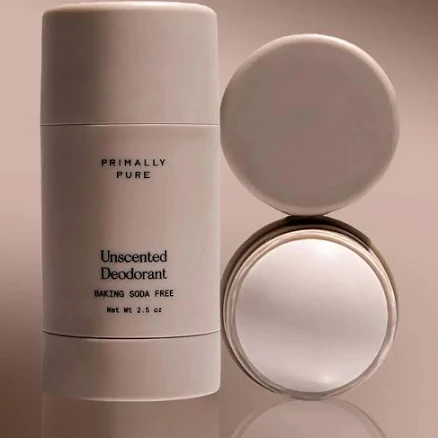
- mineral-based powder blend (arrowroot, magnesium hydroxide, mica)
- We found no PFAS statement from the brand
- Skin irritation from magnesium hydroxide alkalinity
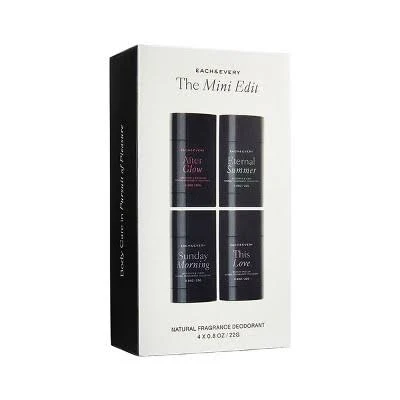
- cosmetic formulations, primary ingredients listed
- A third party reports verifying it as PFAS-free
- Fragrance allergens (natural essential oils)
2 hazards checked on this product, all on its full breakdown.
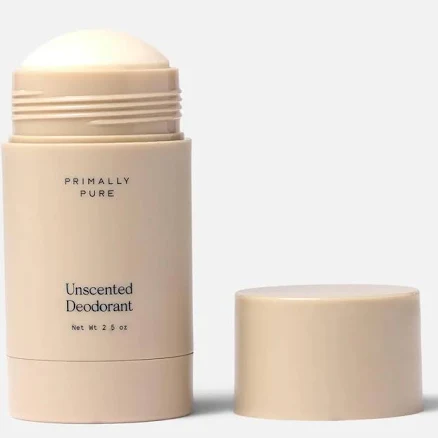
- natural mineral powders, plant-based actives, beeswax
- We found no PFAS statement from the brand
- Beeswax purity and contamination
2 hazards checked on this product, all on its full breakdown.
More deodorant grades
How we score, every product runs through the same public 0-100 rubric based on materials, coatings, brand disclosure, lab findings, and recalls. See the full methodology → Spotted a mistake? Report an error.