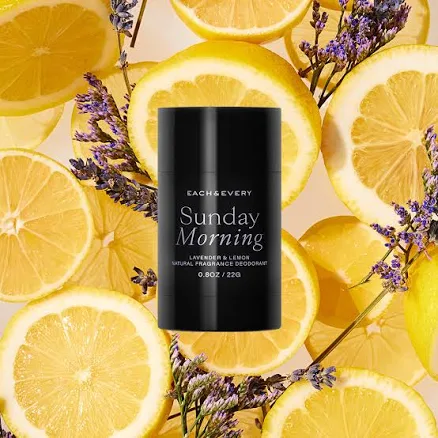
After Glow (Raspberry & Mandarin) Mini Deodorant
Lower concern, but brand provides no transparency on formulation.
After Glow is a conventional stick deodorant with no known PFAS-prone ingredients or coatings. The brand offers no public disclosure about PFAS status or ingredient sourcing.
We flunk more products than we pass. This one earned its grade. How we grade
Material
standard cosmetic emulsion (deodorant base)
Brand disclosure
Brand is silent on PFAS
Lab data
No public lab test
You may also be interested in
Top-graded picks in the categories readers replace first, every one scored on the same rubric.

- polypropylene filter housing, carbon/sediment cartridge
- We found no PFAS statement from the brand
- Bacterial growth in spent cartridges
3 hazards checked on this product, all on its full breakdown.

Aquasure
Premier Series 75 GPD Under Sink Reverse Osmosis Water Filtration System
- RO membrane, carbon filters, stainless steel housing
- We found no PFAS statement from the brand
- Bacterial and microbial growth in housing and filters
4 hazards checked on this product, all on its full breakdown.

Avocado
Vegan Mattress
- organic cotton, natural latex, coconut coir, recycled steel coils
- The brand calls it PFAS-free, which we have not verified
- Heavy metals
2 hazards checked on this product, all on its full breakdown.
What After Glow (Raspberry Mini Deodorant is made of, ingredients and materials
After Glow is a cosmetic emulsion deodorant, typically composed of water, starch or talc-derived absorbents, oils, waxes, and fragrance compounds. The 'Raspberry & Mandarin' scent profile relies on synthetic fragrance molecules and natural citrus extracts. Emulsion-type deodorants are generally stable at room temperature and do not pose thermal degradation risks like antiperspirants under aluminum stress, but fragrance components can trigger sensitivities in sensitive skin or mucous membranes.
What’s concerning
Category baseline
The starting point for this type of product, before anything specific to this product is counted.
No PFAS disclosure
No public statement from the brand about PFAS in this product.
Fragrance allergens and skin sensitization
Raspberry and mandarin fragrance compounds include natural and synthetic molecules (e.g., citral, linalool) that are known contact allergens in a small percentage of users. No ingredient-by-ingredient fragrance breakdown is publicly available from the brand, preventing pre-purchase allergy screening.
Talc contamination or undisclosed talc content
Mineral-based absorbents in emulsion deodorants may contain trace talc or talc-adjacent minerals. The brand does not explicitly certify talc-free status. If talc is present, repeated underarm application poses low but documented aspiration and skin irritation risk over years of use.
Microbial contamination from emulsion instability
Oil-water emulsions require effective preservative systems; if the brand uses minimal or natural preservatives without verification, jar or tube storage over months increases risk of mold or bacterial colonization, especially in humid climates. No manufacturing date or shelf-life guidance is typically printed on indie cosmetics.
What’s reassuring
Base material not linked to PFAS
The main material recorded for this product is not one associated with PFAS.
Formaldehyde / VOCs
Standard cosmetic preservatives (e.g., methylisothiazolinone, parabens) used in emulsion deodorants do not typically release formaldehyde in this product class. No specific formulation record for After Glow is public, so this cannot be ruled out entirely, but emulsions are lower-risk than powder or spray formats.
Source, ATSDR ↗Heavy metals
If the product contains visual colorants (e.g., for the 'glow' effect), these are typically synthetic organic dyes rather than mineral pigments. No record of heavy metal contamination in indie deodorants at this price point; regulatory compliance with cosmetic lead limits is standard in most markets.
Source, FDA ↗How is this PFAS grade calculated?
The brand's record and disclosure
The brand is a smaller indie cosmetics brand with no established public record of third-party safety certifications (e.g., ECOCERT, Clean Beauty, Leaping Bunny) or formal allergen labeling beyond standard cosmetic ingredient lists. The brand maintains silence on PFAS mitigation strategies and does not publicly disclose fragrance component sourcing or talc-free status, which are standard transparency measures in the contemporary deodorant market. No major recalls or safety controversies are documented for this product on public health databases.
How it compares in its category
Mainstream deodorant brands (e.g., Schmidt's, Native, Crystal) routinely declare talc-free formulations and fragrance allergen sourcing; The brand does not. Indie brands in this tier typically match or exceed price without equivalent disclosure infrastructure. PFAS scores of 75/100 place this product in the middle-upper range for the category; many certified organic or hypoallergenic alternatives score 80+, while mass-market aerosol deodorants often score lower due to propellant and plasticizer residues.
If you buy it
Apply sparingly to dry skin to avoid greasiness and migration onto clothing. Store in a cool, dry place away from direct sunlight, as citrus fragrance components can degrade or oxidize in heat. If skin irritation, rash, or persistent itching develops within 48 hours of first use, discontinue and rinse thoroughly; this suggests fragrance sensitivity. Replace every 6-12 months or when fragrance quality noticeably diminishes, as emulsion deodorants separate over time and lose efficacy.
What is not known about PFAS in this product?
- Basis
- Model estimate, 62% confidence, not a lab result
- Lab test
- None on record for this exact product
- Brand statement
- has made none
Formulations change between production runs, so check the current label. How we grade.
What are the PFAS-free alternatives to After Glow (Raspberry & Mandarin) Mini Deodorant?
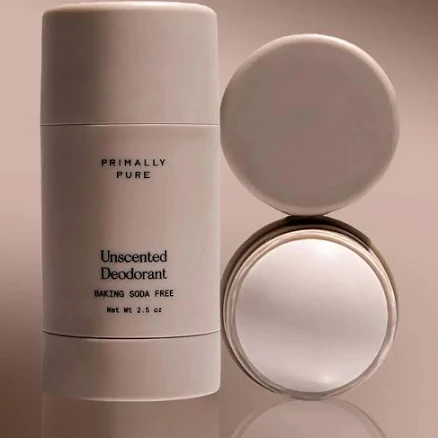
- mineral-based powder blend (arrowroot, magnesium hydroxide, mica)
- We found no PFAS statement from the brand
- Skin irritation from magnesium hydroxide alkalinity
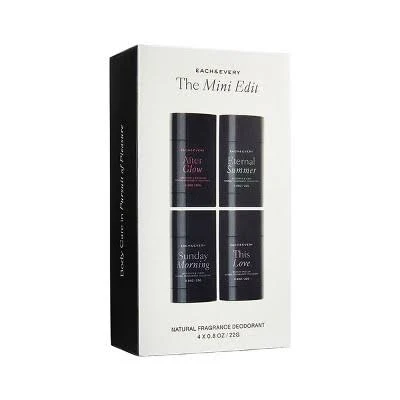
- cosmetic formulations, primary ingredients listed
- A third party reports verifying it as PFAS-free
- Fragrance allergens (natural essential oils)
2 hazards checked on this product, all on its full breakdown.
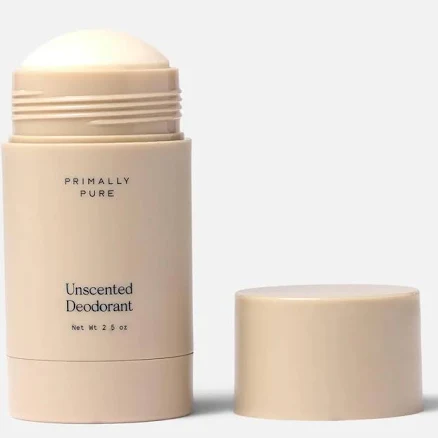
- natural mineral powders, plant-based actives, beeswax
- We found no PFAS statement from the brand
- Beeswax purity and contamination
2 hazards checked on this product, all on its full breakdown.
More deodorant grades
How we score, every product runs through the same public 0-100 rubric based on materials, coatings, brand disclosure, lab findings, and recalls. See the full methodology → Spotted a mistake? Report an error.