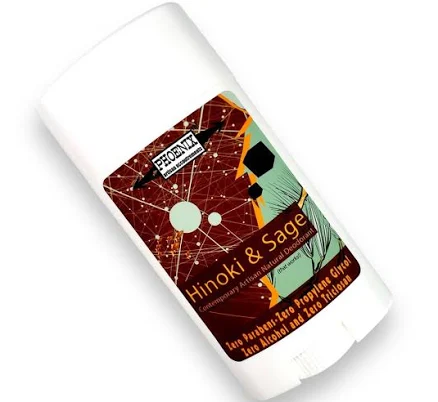
Hinoki & Sage Natural Deodorant
Lower concern, natural formula unlikely to require PFAS but check ingredients.
Natural deodorants rarely require PFAS-based coatings or water-resistant treatments. The brand provides no PFAS disclosure, so verify the full ingredient list for hidden fluorinated compounds.
We flunk more products than we pass. This one earned its grade. How we grade
Material
Natural deodorant base (presumed mineral, plant oil, or powder)
Brand disclosure
Brand is silent on PFAS
Lab data
No public lab test
You may also be interested in
Top-graded picks in the categories readers replace first, every one scored on the same rubric.

- polypropylene filter housing, carbon/sediment cartridge
- We found no PFAS statement from the brand
- Bacterial growth in spent cartridges
3 hazards checked on this product, all on its full breakdown.

Aquasure
Premier Series 75 GPD Under Sink Reverse Osmosis Water Filtration System
- RO membrane, carbon filters, stainless steel housing
- We found no PFAS statement from the brand
- Bacterial and microbial growth in housing and filters
4 hazards checked on this product, all on its full breakdown.

Avocado
Vegan Mattress
- organic cotton, natural latex, coconut coir, recycled steel coils
- The brand calls it PFAS-free, which we have not verified
- Heavy metals
2 hazards checked on this product, all on its full breakdown.
What Hinoki & Sage Natural Deodorant is made of, ingredients and materials
Natural deodorants typically combine mineral bases (baking soda, arrowroot powder, or magnesium), plant oils (coconut or jojoba), and botanical extracts for fragrance and antimicrobial benefit. Hinoki and sage are plant-derived ingredients with no known dermal toxicity at cosmetic concentrations. The absence of synthetic antiperspirants, silicones, and talc in this category means reduced risk of skin irritation or inhalation hazards compared to conventional stick deodorants.
What’s concerning
Category baseline
The starting point for this type of product, before anything specific to this product is counted.
No PFAS disclosure
No public statement from the brand about PFAS in this product.
Baking soda (sodium bicarbonate) skin irritation
A common ingredient in natural deodorants, baking soda can cause irritation, redness, or dermatitis in sensitive individuals or with prolonged contact, especially on broken skin. Not a hazard for most users but warrants a patch test before regular use.
Fragrance allergens (hinoki, sage extracts)
Botanical fragrances, including cedar-derived hinoki and sage, are known contact allergens in a small subset of the population. No broad toxicity concern, but individuals with fragrance sensitivity or botanical allergies should avoid or patch test first.
Rancidity in plant oil base
If the product contains coconut or other plant oils as a base, oxidation and microbial growth are possible if stored improperly or past shelf life, leading to irritation or mild dermatitis. Shelf life and storage conditions are not detailed on most available product pages.
What’s reassuring
Base material not linked to PFAS
The main material recorded for this product is not one associated with PFAS.
Heavy metals
No specific recalls or testing data for products exist on record. Mineral-based deodorants (e.g., arrowroot, magnesium) can harbor trace heavy metals (lead, cadmium) depending on sourcing; brand does not publicly disclose third-party testing for contaminants in raw materials.
Source, FDA ↗Talc contamination risk (if talc-based alternative)
No evidence that the brand uses talc in this formula; natural deodorant marketing typically emphasizes talc-free status. However, if talc is present as a secondary ingredient, long-term inhalation risk applies; confirm ingredient list excludes talc if concerned.
How is this PFAS grade calculated?
The brand's record and disclosure
Operates as a small natural personal care brand; no recalls, safety violations, or substantiated complaints appear in public records. The brand does not publish detailed ingredient sourcing or third-party certifications (e.g., EWG Verified, COSMOS Organic) on readily available materials. Limited transparency on manufacturing standards and supplier vetting makes independent assessment of heavy metal contamination in mineral bases difficult.
How it compares in its category
This product positions itself in the growing natural deodorant segment, which typically avoids aluminum chlorohydrate (the active antiperspirant in conventional products) and talc. Natural formulations carry lower acute toxicity risk than mainstream antiperspirants but may offer reduced efficacy and vary more in stability. Performance and irritation profiles depend heavily on individual skin pH and sensitivity; natural deodorants are not antimicrobial-efficacy regulated by the FDA like antiperspirants.
If you buy it
Store in a cool, dry location to prevent oil separation or powder caking, especially if in a cream or balm base. Patch test on inner arm for 24 hours before full application, as baking soda or plant oils can irritate sensitive skin. Discontinue use if rash, burning, or persistent redness develops within one week of first use. Replace if the product shows signs of mold, rancidity (off smell), or color change, which indicates spoilage.
What is not known about PFAS in this product?
- Basis
- Model estimate, 72% confidence, not a lab result
- Lab test
- None on record for this exact product
- Brand statement
- has made none
Formulations change between production runs, so check the current label. How we grade.
What are the PFAS-free alternatives to Hinoki & Sage Natural Deodorant?
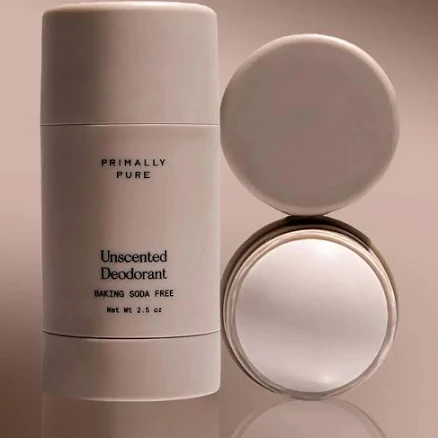
- mineral-based powder blend (arrowroot, magnesium hydroxide, mica)
- We found no PFAS statement from the brand
- Skin irritation from magnesium hydroxide alkalinity
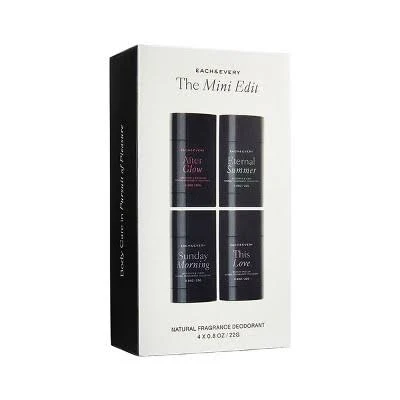
- cosmetic formulations, primary ingredients listed
- A third party reports verifying it as PFAS-free
- Fragrance allergens (natural essential oils)
2 hazards checked on this product, all on its full breakdown.
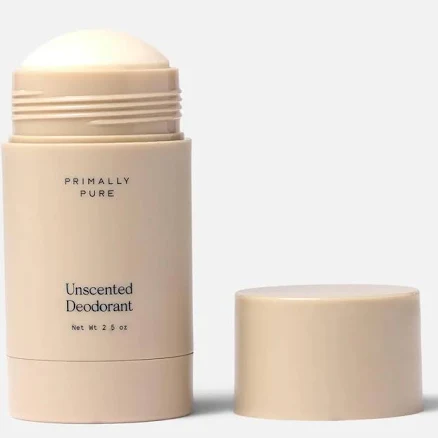
- natural mineral powders, plant-based actives, beeswax
- We found no PFAS statement from the brand
- Beeswax purity and contamination
2 hazards checked on this product, all on its full breakdown.
More deodorant grades
How we score, every product runs through the same public 0-100 rubric based on materials, coatings, brand disclosure, lab findings, and recalls. See the full methodology → Spotted a mistake? Report an error.