Shaw Industries · Carpets & Rugs
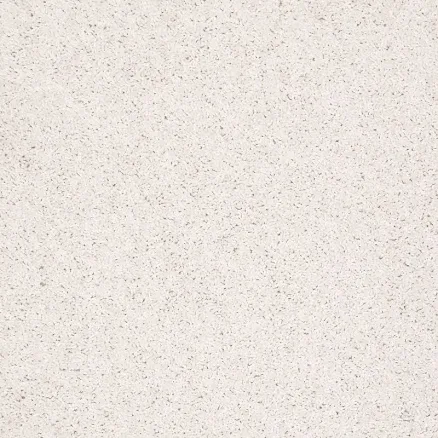
Shaw Cornerstone Batter Up Ii 12-Ft W X Cut-To-Length Textured Interior Carpet
Avoid until Shaw discloses what chemical delivers the stain resistance.
Cornerstone Batter Up II is a textured nylon-polyester carpet with stain resistance, a performance trait commonly delivered through PFAS in commercial flooring. Shaw keeps its treatment formula private.
The better-graded swap
Style Selections
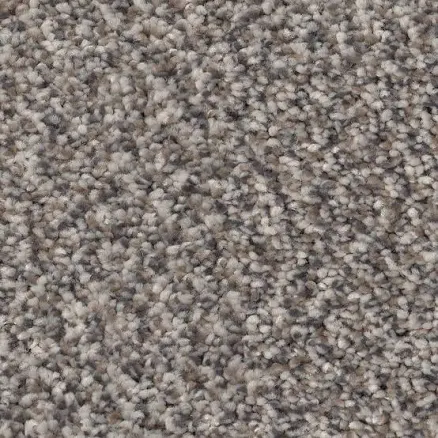
Style Selections 8-in x 8-in Hideaway II 39-oz sq yard Polyester Textured Indoor Carpet
75/100 safety
Same rubric that flunked this product. The swap earned Excellent.
Still want this one anyway? Check the price on Amazon. We’d swap it.
Material
nylon/polyester blend with stain-resistant treatment
Brand disclosure
Brand is silent on PFAS
Lab data
No public lab test
You may also be interested in
Top-graded picks in the categories readers replace first, every one scored on the same rubric.

- polypropylene filter housing, carbon/sediment cartridge
- We found no PFAS statement from the brand
- Bacterial growth in spent cartridges
3 hazards checked on this product, all on its full breakdown.

Aquasure
Premier Series 75 GPD Under Sink Reverse Osmosis Water Filtration System
- RO membrane, carbon filters, stainless steel housing
- We found no PFAS statement from the brand
- Bacterial and microbial growth in housing and filters
4 hazards checked on this product, all on its full breakdown.

Avocado
Vegan Mattress
- organic cotton, natural latex, coconut coir, recycled steel coils
- The brand calls it PFAS-free, which we have not verified
- Heavy metals
2 hazards checked on this product, all on its full breakdown.
What Shaw Cornerstone Batter Up Interior Carpet is made of, ingredients and materials
Cornerstone Batter Up II uses a nylon and polyester blend pile, which is durable for foot traffic but inherently prone to static buildup and moisture retention. The stain-resistant treatment applied to this carpet is not publicly identified by Shaw. In the carpet industry, such treatments are typically fluorocarbon-based (PFAS compounds) or, less commonly, non-fluorinated alternatives like polyurethane or silicone. The absence of disclosure from Shaw makes it impossible to rule out legacy PFAS chemistry. Polyester itself can shed microfibers under friction and vacuuming, though this is a category-wide concern.
What’s concerning
Category baseline
The starting point for this type of product, before anything specific to this product is counted.
No PFAS disclosure
No public statement from the brand about PFAS in this product.
Waterproof / stain-resistant treatment
Water-repellent coating treatments have historically used PFAS.
Undisclosed stain-resistant chemical treatment
Shaw does not publicly identify the stain-resistant agent. Industry standard for this carpet class is fluorocarbon (PFAS), though not guaranteed. Lack of transparency prevents confirmation of an alternative with lower concern.
Volatile organic compounds (VOC) and adhesive off-gassing
Installed carpet and backing adhesives typically emit formaldehyde and other VOCs during the first weeks. Nylon-polyester blends with chemical finishes amplify this risk. Intensity depends on installation method and ventilation.
Microfiber shedding
Nylon and polyester fibers naturally shed under normal traffic and vacuuming, especially in the first months after installation. This is category-typical and poses no direct toxicity but contributes to household dust and air quality over time.
What’s reassuring
Flame retardants
No specific flame retardant treatment is documented for this product. Residential carpets do not require flame retardant by federal law unless also used as furniture fabric. If Shaw applies one, it is not disclosed.
Source, EPA ↗Heavy metals
No aluminum or cadmium contamination has been reported for Shaw or this product line. Color fastness is typically achieved through mordant chemistry, which is regulated and not a known concern for this brand.
Source, FDA ↗How is this PFAS grade calculated?
The brand's record and disclosure
Shaw Industries has not publicly committed to PFAS-free stain resistance or disclosed the specific chemistry in their standard residential carpets. The brand has pursued some sustainability certifications (e.g., carpet care labeling) but has remained silent on fluorinated water and oil repellents, which is notable given competitor transparency from brands like Interface and Mohawk in recent years. No major recalls or health controversies specific to this product line are on record, but the lack of proactive disclosure suggests the company is not leading on this hazard class.
How it compares in its category
Cornerstone Batter Up II is a mid-range residential carpet positioned for durability and stain resistance at an accessible price point. It is comparable to other mass-market nylon-blend carpets from major manufacturers in terms of construction quality and performance claims. Many competitors (e.g., some Mohawk and Beaulieu lines) now offer explicit non-PFAS or low-PFAS stain treatments, or allow consumers to choose between treated and untreated options. Shaw's refusal to differentiate or disclose puts it at a disadvantage relative to more transparent offerings.
If you buy it
Ensure good ventilation during and for 48-72 hours after installation to minimize VOC exposure from adhesives and finishing treatments. Vacuum regularly with a HEPA filter to reduce microfiber shedding and dust accumulation. Avoid steam cleaning above 130-140 degrees Fahrenheit, as heat can mobilize chemicals in the treatment layer. Consider requesting a full material safety data sheet (MSDS) or treatment disclosure directly from Shaw before purchase; if they decline, that silence itself is informative for your decision-making.
What is not known about PFAS in this product?
- Basis
- Model estimate, 45% confidence, not a lab result
- Lab test
- None on record for this exact product
- Brand statement
- Shaw Industries has made none
Formulations change between production runs, so check the current label. How we grade.
What are the PFAS-free alternatives to Shaw Cornerstone Batter Up Ii 12-Ft W X Cut-To-Length Textured Interior Carpet?
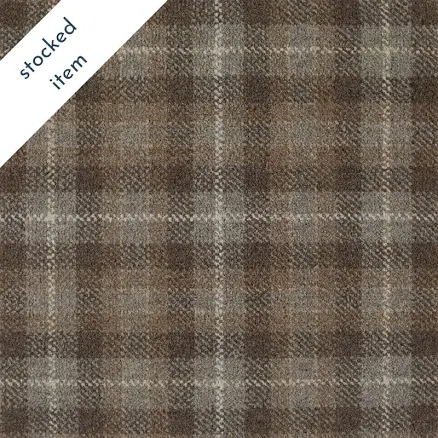
- wool plaid, Axminster weave
- We found no PFAS statement from the brand
- Formaldehyde / VOCs
4 hazards checked on this product, all on its full breakdown.
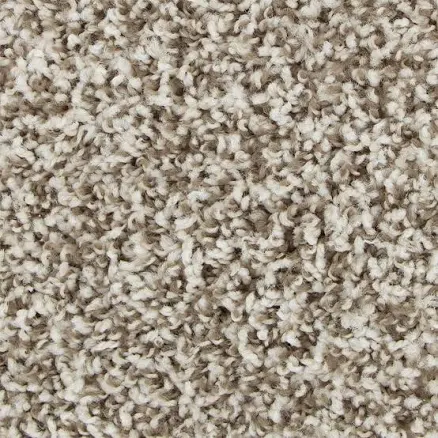
- polyester fiber, untreated
- We found no PFAS statement from the brand
- Formaldehyde / VOCs
4 hazards checked on this product, all on its full breakdown.
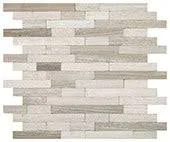
- Ceramic tile, porcelain, or stone composite
- We found no PFAS statement from the brand
- Volatile Organic Compounds (VOCs) from installation adhesives and grout
4 hazards checked on this product, all on its full breakdown.
More carpets & rugs grades
How we score, every product runs through the same public 0-100 rubric based on materials, coatings, brand disclosure, lab findings, and recalls. See the full methodology → Spotted a mistake? Report an error.