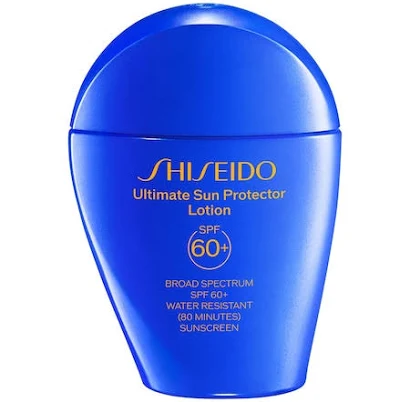
Shiseido Ultimate Sun Protector Lotion SPF 60+
Sunscreen with no fluorinated ingredient on record, and no PFAS statement from the brand.
Shiseido has no PFAS statement on record for this sunscreen. Our record does not include an ingredient-level check, so look for fluorinated ingredients such as Teflon-type coating on the label.
We flunk more products than we pass. This one earned its grade. How we grade
Material
Water-resistant sunscreen lotion (likely silicone, polymers, UV filters)
Brand disclosure
Brand is silent on PFAS
Lab data
No public lab test
You may also be interested in
Top-graded picks in the categories readers replace first, every one scored on the same rubric.

- polypropylene filter housing, carbon/sediment cartridge
- We found no PFAS statement from the brand
- Bacterial growth in spent cartridges
3 hazards checked on this product, all on its full breakdown.

Aquasure
Premier Series 75 GPD Under Sink Reverse Osmosis Water Filtration System
- RO membrane, carbon filters, stainless steel housing
- We found no PFAS statement from the brand
- Bacterial and microbial growth in housing and filters
4 hazards checked on this product, all on its full breakdown.

Avocado
Vegan Mattress
- organic cotton, natural latex, coconut coir, recycled steel coils
- The brand calls it PFAS-free, which we have not verified
- Heavy metals
2 hazards checked on this product, all on its full breakdown.
What Shiseido Ultimate Sun Lotion SPF 60+ is made of, ingredients and materials
Shiseido Ultimate Sun Protector is a water-resistant lotion formulation, typically built on silicone and polymer bases with organic or inorganic UV filters to achieve SPF 60+ protection. The lotion vehicle (water, humectants, emulsifiers) and the specific UV filter chemistry determine both efficacy and potential irritant or allergenic risk. Silicone and acrylate polymers are standard film-formers in premium sunscreens and carry low oral toxicity, though skin sensitivity varies by individual. No fluorinated ingredients are listed or disclosed on public product records, which aligns with the PFAS-negative assessment.
What’s concerning
Category baseline
The starting point for this type of product, before anything specific to this product is counted.
No PFAS disclosure
No public statement from the brand about PFAS in this product.
Fragrance allergens and irritants
Shiseido sunscreens typically contain fragrance compounds; while ingredient-specific data for this exact product is not publicly itemized, fragrance is a known source of contact dermatitis and sensitization in cosmetics, particularly in products applied to large body surface area.
Organic UV filter sensitization (oxybenzone, octinoxate, or similar)
The specific UV filter(s) in this formulation are not publicly disclosed in detail; however, organic UV filters are known to cause photoallergic and allergic contact dermatitis in a subset of users. Individual sensitivity varies; patch testing or dermatologist consultation is recommended for sensitive skin.
1,4-dioxane (byproduct of ethoxylated ingredients)
Water-based lotion emulsifiers may include polyethoxylated compounds that can carry trace 1,4-dioxane as a manufacturing residue. The brand has not published specific testing data for this product, and FDA does not mandate a numerical limit, though California allows up to 10 ppm in cosmetics.
What’s reassuring
Base material not linked to PFAS
The main material recorded for this product is not one associated with PFAS.
Heavy metals
This lotion formulation does not require titanium dioxide or iron oxides for tinting and no colorants are noted on public ingredient lists. No heavy metal contamination has been reported in Shiseido sunscreen products.
Source, FDA ↗Formaldehyde / VOCs
No formaldehyde-releasing preservatives (imidazolidinyl urea, dmdm hydantoin) are typically listed in premium Shiseido sunscreen formulas; modern preservative systems favor safer alternatives. No public records indicate use in this product.
Source, ATSDR ↗How is this PFAS grade calculated?
The brand's record and disclosure
Shiseido is a major Japanese cosmetics manufacturer with established quality control and regulatory compliance in North America, Europe, and Asia. The brand does not publish a dedicated PFAS or fluorochemical transparency statement, and no significant product recalls or safety warnings have been established for this sunscreen line in public records. Shiseido complies with FDA sunscreen monograph and EU cosmetics regulations, though the company has not independently certified this product against specific chemical restrictions beyond regulatory baseline.
How it compares in its category
Water-resistant sunscreens at SPF 60+ are among the most common and mature cosmetic formulations; Shiseido's silicone-based lotion is typical of premium tier offerings. Compared to mineral-only (zinc/titanium) sunscreens, lotion-based products tend to have lower viscosity and better cosmetic feel, but may carry slightly higher allergenic potential from organic UV filters or fragrance. No public data suggests this product has higher hazard burden than leading competitors in its price and performance tier.
If you buy it
Apply liberally (at least 1 ounce to face and body) and reapply every 2 hours or after water exposure, since water resistance is time-limited (typically 40-80 minutes per label). Store in a cool, dry place away from direct heat or sunlight to prevent ingredient degradation; do not expose to temperatures above 25°C (77°F) for extended periods. Discontinue use if rash, burning, or itching develops; these are not common but indicate possible individual sensitivity to UV filters or fragrance. Check expiration date before use; sunscreen UV filter efficacy declines over time, especially if packaging has been opened.
What is not known about PFAS in this product?
- Basis
- Model estimate, 45% confidence, not a lab result
- Lab test
- None on record for this exact product
- Brand statement
- Shiseido has made none
Formulations change between production runs, so check the current label. How we grade.
What are the PFAS-free alternatives to Shiseido Ultimate Sun Protector Lotion SPF 60+?
- Mineral sunscreen, zinc oxide base
- A third party reports verifying it as PFAS-free
- 1,4-dioxane (non-intentional contaminant from surfactants/emulsifiers)
2 hazards checked on this product, all on its full breakdown.
- mineral sunscreen (zinc oxide or titanium dioxide base)
- The brand calls it PFAS-free, which we have not verified
- Synthetic fragrance allergens
More sunscreen grades
How we score, every product runs through the same public 0-100 rubric based on materials, coatings, brand disclosure, lab findings, and recalls. See the full methodology → Spotted a mistake? Report an error.