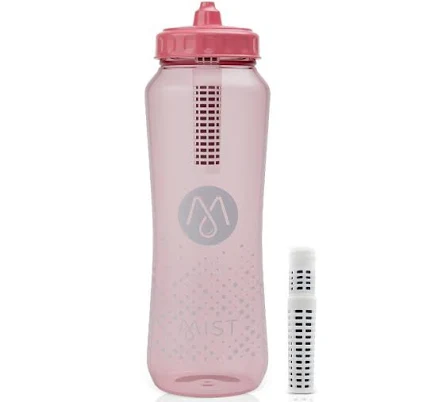
Mist Sports Squeeze Water Bottle
Plastic bottle carries lower PFAS concern.
This squeeze bottle uses Tritan copolyester plastic, a BPA-free material without intentional PFAS content. No brand PFAS information surfaced.
We flunk more products than we pass. This one earned its grade. How we grade
Material
Tritan copolyester plastic with squeeze cap
Brand disclosure
Brand is silent on PFAS
Lab data
No public lab test
You may also be interested in
Top-graded picks in the categories readers replace first, every one scored on the same rubric.

- polypropylene filter housing, carbon/sediment cartridge
- We found no PFAS statement from the brand
- Bacterial growth in spent cartridges
3 hazards checked on this product, all on its full breakdown.

Aquasure
Premier Series 75 GPD Under Sink Reverse Osmosis Water Filtration System
- RO membrane, carbon filters, stainless steel housing
- We found no PFAS statement from the brand
- Bacterial and microbial growth in housing and filters
4 hazards checked on this product, all on its full breakdown.

Avocado
Vegan Mattress
- organic cotton, natural latex, coconut coir, recycled steel coils
- The brand calls it PFAS-free, which we have not verified
- Heavy metals
2 hazards checked on this product, all on its full breakdown.
What Mist Sports Squeeze Water Bottle is made of, ingredients and materials
This bottle uses Tritan copolyester plastic, a BPA-free engineering polymer designed specifically for food and beverage contact. Tritan does not contain bisphenol compounds and resists leaching of color dyes or taste transfer under normal use conditions. The squeeze cap is typically polypropylene or similar food-grade thermoplastic. This material class was developed as an alternative to polycarbonate after BPA concerns emerged in the early 2000s.
What’s concerning
Category baseline
The starting point for this type of product, before anything specific to this product is counted.
No PFAS disclosure
No public statement from the brand about PFAS in this product.
Microplastics
All plastic bottles can shed microparticles under mechanical stress, UV exposure, or repeated squeezing. Risk is low for normal use but increases if bottle is damaged, frozen, or used beyond 3-5 years; regular replacement mitigates this.
Source, EPA ↗Bacterial growth in bottle cavity
Any plastic water bottle (not a filter) can harbor bacteria if stored wet or in warm conditions. This is a hygiene issue, not a material toxicity issue; daily cleaning and air-drying prevent colonization.
What’s reassuring
Base material not linked to PFAS
The main material recorded for this product is not one associated with PFAS.
BPA & bisphenols
Tritan copolyester is inherently BPA-free and does not use bisphenol replacements in its formulation. No leaching incidents reported for bottles using this material.
Source, FDA ↗Phthalates
Tritan does not require phthalate plasticizers; it achieves flexibility through copolymer structure. Food-contact plastics in the US are subject to FDA limits, and no violations are on record for this product line.
Source, ATSDR ↗Dye leaching or taste transfer
Tritan is engineered for color stability and low extractables. No documented cases of dye migration or off-taste from bottles under normal refrigerated or room-temperature storage.
How is this PFAS grade calculated?
The brand's record and disclosure
The brand is a private label brand that markets heavily to fitness and outdoor consumers but maintains minimal published safety testing or third-party certifications on their website. No recalls or contamination incidents have been recorded for this bottle model. The brand does not publicly disclose PFAS testing or manufacturing standards, which is typical for smaller beverage container makers but limits transparency compared to larger manufacturers like Hydro Flask or S'well.
How it compares in its category
Note, This is a water bottle, not a water filter; it stores water but does not purify it. Compared to stainless steel alternatives, Tritan bottles are lighter and do not retain metallic taste. They have lower concern than older polycarbonate bottles and comparable in chemical stability to other Tritan-based bottles on the market. Maintenance demands are lower than activated charcoal filter bottles, which can develop bacterial biofilm if not cleaned frequently.
If you buy it
Hand wash with mild soap; do not microwave or expose to prolonged direct sunlight, which can degrade clarity over years. Replace if the plastic becomes visibly cloudy, cracked, or develops persistent odor (sign of microbial colonization). Empty and dry fully after each use, especially if stored in warm environments. The squeeze mechanism may weaken after 2-3 years of heavy daily use, which is a normal end-of-life indicator rather than a safety hazard.
What is not known about PFAS in this product?
- Basis
- Model estimate, 72% confidence, not a lab result
- Lab test
- None on record for this exact product
- Brand statement
- has made none
Formulations change between production runs, so check the current label. How we grade.
What are the PFAS-free alternatives to Mist Sports Squeeze Water Bottle?
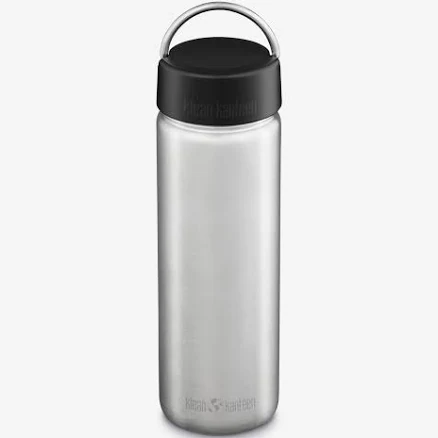
- 18/8 stainless steel, no interior coating
- The brand calls it PFAS-free, which we have not verified
- Cap or closure contamination
2 hazards checked on this product, all on its full breakdown.
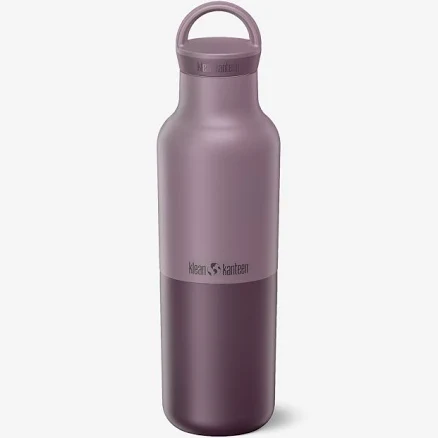
- stainless steel body, foam insulation, stainless steel cap
- The brand calls it PFAS-free, which we have not verified
- Cap gasket and seal contamination
- Stainless steel body, no coating disclosed
- We found no PFAS statement from the brand
- Bacterial or mold growth in storage
3 hazards checked on this product, all on its full breakdown.
More portable water bottles grades
How we score, every product runs through the same public 0-100 rubric based on materials, coatings, brand disclosure, lab findings, and recalls. See the full methodology → Spotted a mistake? Report an error.