Smartwool · Sports Performance Undergarments
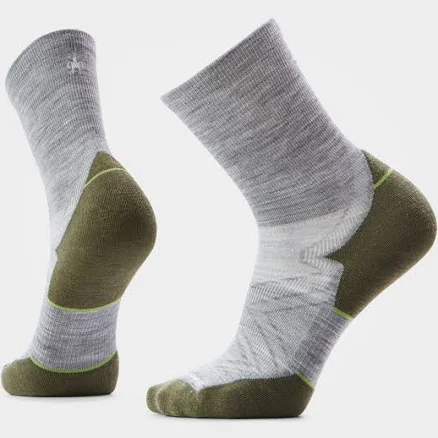
Smartwool Men's Run Targeted Cushion Mid Crew Socks
Lower concern. Natural fiber socks unlikely to contain PFAS.
Merino wool with nylon reinforcement has no water-repellent coating treatment or stain-resistant coating typical of high-PFAS risk. Brand discloses no PFAS stance.
Still want this one anyway? Check the price on Amazon. We’d swap it.
Material
Merino wool blend with synthetic nylon reinforcement
Brand disclosure
Brand is silent on PFAS
Lab data
No public lab test
You may also be interested in
Top-graded picks in the categories readers replace first, every one scored on the same rubric.

- polypropylene filter housing, carbon/sediment cartridge
- We found no PFAS statement from the brand
- Bacterial growth in spent cartridges
3 hazards checked on this product, all on its full breakdown.

Aquasure
Premier Series 75 GPD Under Sink Reverse Osmosis Water Filtration System
- RO membrane, carbon filters, stainless steel housing
- We found no PFAS statement from the brand
- Bacterial and microbial growth in housing and filters
4 hazards checked on this product, all on its full breakdown.

Avocado
Vegan Mattress
- organic cotton, natural latex, coconut coir, recycled steel coils
- The brand calls it PFAS-free, which we have not verified
- Heavy metals
2 hazards checked on this product, all on its full breakdown.
What Smartwool Men's Run Mid Crew Socks is made of, ingredients and materials
Smartwool Run Targeted Cushion socks are primarily Merino wool, a natural protein fiber, blended with nylon for durability in high-friction zones (heel, toe). Merino wool does not off-gas VOCs or chemical treatments in normal wear, and nylon reinforcement at targeted areas minimizes overall synthetic fiber exposure. The blend is designed to manage moisture and temperature without relying on chemical additives typical of synthetic performance socks.
What’s concerning
Category baseline
The starting point for this type of product, before anything specific to this product is counted.
No PFAS disclosure
No public statement from the brand about PFAS in this product.
Heavy metals
The black and colored variants likely use synthetic dyes; Smartwool has not published azo-dye or heavy metal testing for this product. Merino wool can accept dyes with lower chemical loads than synthetics, but dye safety depends on supplier and dyeing process, which is not disclosed publicly.
Source, FDA ↗Nylon degradation and microfiber shedding
Reinforced nylon in high-wear zones will shed microfibers with repeated washing and wear, a concern shared with all synthetic-blended textiles. Scale is modest given nylon is localized to heel and toe, not the full sock structure.
Lanolin allergenicity
A small percentage of individuals experience contact dermatitis or allergic reaction to lanolin, the natural oil in unwashed wool. Smartwool socks are scoured and treated to remove excess lanolin, but trace amounts remain and may trigger sensitivity in susceptible users.
What’s reassuring
Base material not linked to PFAS
The main material recorded for this product is not one associated with PFAS.
Formaldehyde / VOCs
No published data indicates formaldehyde-based finishing on Smartwool Merino socks. Merino's natural properties (elasticity, wrinkle resistance) reduce need for chemical resins, but confirmation of finish-free treatment is not independently verified for this line.
Source, ATSDR ↗Antimicrobial metals (silver, copper, zinc salts) or biocides
Smartwool markets Merino's natural antimicrobial lanolin as the primary antimicrobial mechanism and does not advertise added metallic or chemical antimicrobials in this line. No recalls or advisories on metal leaching from Smartwool socks exist in public record.
How is this PFAS grade calculated?
The brand's record and disclosure
Smartwool, owned by Timberland/VF Corporation, publishes detailed fiber sourcing and manufacturing information; the company has not faced major product recalls or safety controversies in the public record. They claim Merino wool is naturally antimicrobial, reducing the need for chemical antimicrobial treatments. No independent third-party certifications (e.g., Oeko-Tex, GOTS) are widely advertised for this specific line, though parent company VF has committed to limiting PFAS use.
How it compares in its category
Smartwool socks occupy the premium segment; most mass-market sports socks rely entirely on synthetic blends (polyester, acrylic) that may contain antimicrobial metals or chemical finishes. Natural-fiber blends like Smartwool's carry lower chemical load than fully synthetic alternatives. Within the wool sock category, Smartwool is among the most transparent on sourcing, though direct lab testing results for this specific product line are not published.
If you buy it
Wash in warm water with mild detergent; avoid bleach and fabric softeners, which can degrade wool and nylon. Merino wool tolerates machine drying on low heat but air-drying extends life. Replace socks when elastic loss or visible pilling affects fit or cushioning, typically 12-24 months of regular use. No special precautions needed for skin contact; wool is hypoallergenic for most users, though rare lanolin sensitivity is possible.
What is not known about PFAS in this product?
- Basis
- Model estimate, 72% confidence, not a lab result
- Lab test
- None on record for this exact product
- Brand statement
- Smartwool has made none
Formulations change between production runs, so check the current label. How we grade.
More sports performance undergarments grades
How we score, every product runs through the same public 0-100 rubric based on materials, coatings, brand disclosure, lab findings, and recalls. See the full methodology → Spotted a mistake? Report an error.