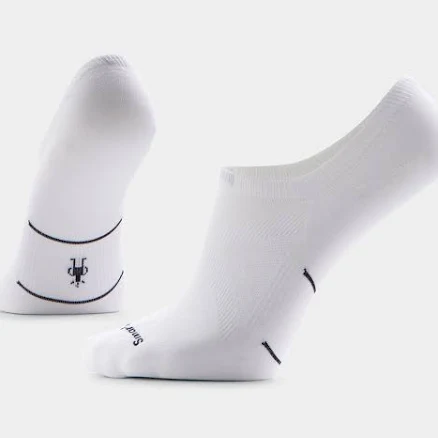
Smartwool · Sports Performance Undergarments
Smartwool Men's Run Zero Cushion No Show Socks
Lower concern. Material as recorded is not linked to PFAS.
The socks use a merino wool blend material on record with no reported water-resistant treatment. The brand has no PFAS statement on record.
Still want this one anyway? Check the price on Amazon. We’d swap it.
Material
Merino wool blend, no reported water-resistant treatment
Brand disclosure
Brand is silent on PFAS
Lab data
No public lab test
You may also be interested in
Top-graded picks in the categories readers replace first, every one scored on the same rubric.

- polypropylene filter housing, carbon/sediment cartridge
- We found no PFAS statement from the brand
- Bacterial growth in spent cartridges
3 hazards checked on this product, all on its full breakdown.

Aquasure
Premier Series 75 GPD Under Sink Reverse Osmosis Water Filtration System
- RO membrane, carbon filters, stainless steel housing
- We found no PFAS statement from the brand
- Bacterial and microbial growth in housing and filters
4 hazards checked on this product, all on its full breakdown.

Avocado
Vegan Mattress
- organic cotton, natural latex, coconut coir, recycled steel coils
- The brand calls it PFAS-free, which we have not verified
- Heavy metals
2 hazards checked on this product, all on its full breakdown.
What Smartwool Men's Run Zero No Show Socks is made of, ingredients and materials
Smartwool Run Zero Cushion socks are a merino wool blend, typically 59% merino wool, 39% nylon, and 2% elastane. Merino wool is a protein fiber naturally resistant to odor and moisture without chemical water treatments, making intentional PFAS application unlikely. The nylon and elastane provide durability and stretch; these synthetics are not inherently hazardous in apparel, though elastane manufacturing can involve residual solvents if processing is poor. No water-repellent coating (water-repellent coating) coating is marketed for this product, which eliminates a common source of PFAS in technical textiles.
What’s concerning
Category baseline
The starting point for this type of product, before anything specific to this product is counted.
No PFAS disclosure
No public statement from the brand about PFAS in this product.
Antimony in synthetic fibers (nylon/elastane)
Antimony oxide is used as a polymerization catalyst in nylon and polyester production. Small residual antimony amounts may remain in finished fibers, but dermal absorption from intact socks is negligible. No recalls or safety warnings specific to antimony in Smartwool socks exist.
Elastane (spandex) degradation and microfiber shedding
The 2% elastane component degrades over time and can shed microfibers into wash water, particularly after repeated machine washing. This is a category-wide concern for all elastic apparel, not unique to Smartwool. Environmental impact is documented, but direct consumer health risk from wearing intact socks is minimal.
Contact dermatitis from wool or dyes
A small percentage of people experience irritation from merino wool itself (rare; most tolerate it better than coarser wool) or from residual dyes. Smartwool does not report high complaint rates for this product. Pre-wash before first wear and patch-test if sensitive to textiles.
What’s reassuring
Base material not linked to PFAS
The main material recorded for this product is not one associated with PFAS.
Azo dyes in synthetic components
Nylon and elastane in this blend could theoretically harbor azo dyes if dyed with non-compliant colorants, but Smartwool products are not flagged in testing databases or regulatory warnings for azo dye contamination. EU and US standards restrict azo use, and Smartwool's Responsible Wool Standard inclusion suggests dye oversight.
Formaldehyde / VOCs
No wrinkle-resistance, shrink-resistance, or flame-retardant finish is marketed for this product. Merino wool does not require formaldehyde-based resins to meet performance claims, making residual formaldehyde exposure unlikely.
Source, ATSDR ↗How is this PFAS grade calculated?
The brand's record and disclosure
Smartwool (owned by Merino Wool parent company) publishes material content transparently on product labels and maintains Responsible Wool Standard certification, indicating third-party oversight of wool sourcing. The brand does not widely publicize PFAS avoidance policies (silent stance noted), but absence of marketed water-repellency or stain resistance suggests no intentional PFAS chemistry. No significant recalls or chemical safety controversies are on record for Smartwool socks as a category.
How it compares in its category
Merino wool blend socks are considered lower-risk than synthetic or treated athletic socks because merino's natural properties reduce reliance on chemical coatings. Most synthetic athletic socks (polyester-nylon blends without wool) carry similar or lower baseline chemical risk if untreated, but merino wool socks avoid the need for antimicrobial finishes. Cotton blends offer comparable safety but less performance in moisture management, requiring more frequent replacement.
If you buy it
Wash in warm water with standard detergent; merino wool socks are durable to repeated laundering without special care. Avoid hot water above 40 degrees Celsius and chlorine bleach, which can degrade elastane. Replace when elastic waistband loses tension or heel/toe areas show thinning (typically 1-2 years with regular wear). No special drying or storage precautions are needed; line dry or tumble dry on low if preferred.
What is not known about PFAS in this product?
- Basis
- Model estimate, 72% confidence, not a lab result
- Lab test
- None on record for this exact product
- Brand statement
- Smartwool has made none
Formulations change between production runs, so check the current label. How we grade.
More sports performance undergarments grades
How we score, every product runs through the same public 0-100 rubric based on materials, coatings, brand disclosure, lab findings, and recalls. See the full methodology → Spotted a mistake? Report an error.