Smartwool · Sports Performance Undergarments
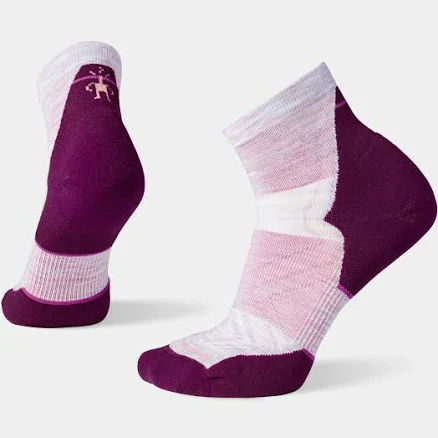
Smartwool Women's Run Targeted Cushion Low Ankle Socks
Lower concern. Merino wool blend socks with no water-repellent finish on record.
The main material is merino wool blend, not linked to PFAS. No water-repellent coating treatment is stated on the product record. Smartwool has no PFAS statement on record.
Still want this one anyway? Check the price on Amazon. We’d swap it.
Material
Merino wool blend, no specified water-repellent coating treatment
Brand disclosure
Brand is silent on PFAS
Lab data
No public lab test
You may also be interested in
Top-graded picks in the categories readers replace first, every one scored on the same rubric.

- polypropylene filter housing, carbon/sediment cartridge
- We found no PFAS statement from the brand
- Bacterial growth in spent cartridges
3 hazards checked on this product, all on its full breakdown.

Aquasure
Premier Series 75 GPD Under Sink Reverse Osmosis Water Filtration System
- RO membrane, carbon filters, stainless steel housing
- We found no PFAS statement from the brand
- Bacterial and microbial growth in housing and filters
4 hazards checked on this product, all on its full breakdown.

Avocado
Vegan Mattress
- organic cotton, natural latex, coconut coir, recycled steel coils
- The brand calls it PFAS-free, which we have not verified
- Heavy metals
2 hazards checked on this product, all on its full breakdown.
What Smartwool Women's Run Low Ankle Socks is made of, ingredients and materials
Smartwool Run Targeted Cushion socks are a merino wool blend (typically 50-70% merino, remainder synthetic fibers like nylon for durability and elasticity). Merino wool is a natural protein fiber with inherent moisture-wicking and temperature-regulation properties, requiring minimal chemical finishing compared to synthetics. The absence of a disclosed water-repellent coating (water-repellent coating) treatment on this product means the primary chemical exposure risk common to technical textiles, persistent fluorinated compounds, is unlikely present, though the synthetic portions (nylon, elastane) may carry legacy treatment residues from manufacturing.
What’s concerning
Category baseline
The starting point for this type of product, before anything specific to this product is counted.
No PFAS disclosure
No public statement from the brand about PFAS in this product.
Azo dyes and synthetic colorants
The specific dyes used in the black or gray colorways are not disclosed by brand. Azo dyes are restricted in many markets but still present in some textile manufacturing; if dyes are compliant to EU or US standards, risk is minimal, but prolonged contact with damp feet could theoretically release trace dye residues.
Antimony in synthetic polymer fibers
The nylon and elastane blend components may contain antimony residues from polyester catalyst use in upstream manufacturing. Levels in consumer textiles are typically well below acute toxicity thresholds, but presence is common in technical synthetics and not disclosed.
Microfiber shedding from synthetic blend
The nylon and elastane components may shed microfibers, especially over the life of the garment. This is a wear-over-time concern rather than acute toxicity, and is consistent with all synthetic-blend textiles; merino content mitigates total synthetic load relative to 100% polyester alternatives.
What’s reassuring
Base material not linked to PFAS
The main material recorded for this product is not one associated with PFAS.
Formaldehyde / VOCs
Smartwool does not disclose formaldehyde-based wrinkle-resist or anti-shrink treatments on this product. Natural merino fibers require minimal chemical stabilization, and no public record indicates such use in their standard sock lines.
Source, ATSDR ↗Heavy metals
No recalls or confirmed heavy metal contamination in Smartwool products. Merino wool's neutral pH and low reactivity reduce likelihood of cadmium or lead dye binding compared to synthetic or treated natural fibers.
Source, FDA ↗How is this PFAS grade calculated?
The brand's record and disclosure
Smartwool has maintained consistent transparency about fiber sourcing and certifications, including Responsible Wool Standard (RWS) compliance for their merino. The brand does not explicitly market PFAS-free status across their catalog, but their silence on water-repellent coating treatment in this specific low-ankle sock line suggests minimal chemical finish involvement. No recalls or confirmed chemical contamination issues are on public record for Smartwool socks.
How it compares in its category
Most performance socks at this price tier use synthetic blends (polyester, acrylic) or merino blends with some form of antimicrobial or water-repellent finish. Smartwool's merino-forward formulation without disclosed chemical treatments places it in the lower-chemical-load segment of the market. Natural fiber content and restrained finishing practices result in lower concern relative to fully synthetic or heavily treated competitors.
If you buy it
Wash in cool water with mild detergent and avoid bleach or fabric softeners, which degrade merino's natural properties and may leave residue buildup. Dry flat or hang; merino wool performs best between 40-60 percent relative humidity and tolerates gentle machine washing. Replace when elastic waistband or heel cushioning shows visible wear (typically 12-18 months with 3-5 times weekly use). No special hazard precautions needed beyond standard textile care.
What is not known about PFAS in this product?
- Basis
- Model estimate, 72% confidence, not a lab result
- Lab test
- None on record for this exact product
- Brand statement
- Smartwool has made none
Formulations change between production runs, so check the current label. How we grade.
More sports performance undergarments grades
How we score, every product runs through the same public 0-100 rubric based on materials, coatings, brand disclosure, lab findings, and recalls. See the full methodology → Spotted a mistake? Report an error.