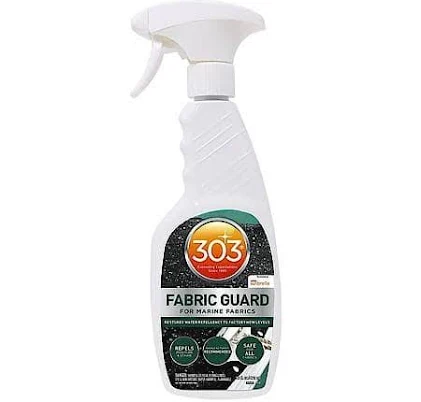
303 Products · Fabric Stain Guard Sprays
303 Fabric Guard
Avoid until brand confirms PFAS-free status or third-party verification.
Water and stain repellent fabric spray. Brand does not disclose PFAS content or alternatives, raising concerns about legacy fluorochemicals typical of this category.
Still want this one anyway? Check the price on Amazon. We’d swap it.
Material
Fabric treatment coating (water and stain repellent)
Brand disclosure
Brand is silent on PFAS
Lab data
No public lab test
What 303 Fabric Guard is made of, ingredients and materials
303 Fabric Guard is a water and oil-repellent spray coating designed to bead liquids off fabric surfaces. Fabric guard products in this class typically rely on fluorocarbon polymers (perfluorinated compounds) to create a water-resistant barrier; 303 does not publicly disclose its exact fluorochemistry or whether it uses legacy high-chain PFAS or shorter-chain alternatives. The propellant system and solvent package may also contain volatile organic compounds (VOCs) that off-gas during and after application.
What’s concerning
Category baseline
The starting point for this type of product, before anything specific to this product is counted.
No PFAS disclosure
No public statement from the brand about PFAS in this product.
Waterproof / stain-resistant treatment
Water-repellent coating treatments have historically used PFAS.
PFAS
Fabric guard category is dominated by fluorocarbon chemistries; 303 does not disclose PFAS-free status, and no third-party verification exists. PFAS compounds accumulate in household dust and soil after application and persist indefinitely in the environment and human tissues.
Source, ATSDR ↗Inhalation of aerosol propellant and volatile solvents
Spray-on fabric guards release VOCs and propellant mist during application. Short-term inhalation can cause respiratory irritation, headache, and dizziness; long-term occupational exposure to fabric-treatment aerosols has been associated with respiratory effects, though consumer-use risk is lower if ventilation is adequate.
Skin and eye irritation from concentrated spray
Direct contact with undiluted spray can irritate skin and eyes due to solvent and surfactant components. Product safety data sheets for similar 303 products indicate irritation hazard; accidental splash requires immediate rinsing.
Residual coating buildup and fabric stiffening over time
Repeated applications without proper fabric maintenance can cause coating accumulation, leading to stiffness, reduced breathability, and altered hand-feel of fabrics. This does not pose direct toxicity but may prompt users to launder more frequently, increasing water use and detergent exposure.
What’s reassuring
Lack of long-term safety monitoring and durability data
Public literature does not document how 303 Fabric Guard coatings degrade during washing, heating, or UV exposure, or whether degradation products present additional hazards. This gap in transparency is consistent with the broader fabric-guard category's limited third-party post-application monitoring.
The full breakdown
The brand's record and disclosure
Spray & Wash (303 parent brand) has not published PFAS-free certification, third-party safety testing, or detailed ingredient transparency for this product. No major product recalls tied to 303 Fabric Guard are on public record, but the silence on PFAS composition contrasts with competitors (e.g., Scotchgard, Nikwax) that increasingly disclose or reformulate away from legacy PFAS. This lack of transparency is a material concern given fabric guards' category-wide PFAS association.
How it compares in its category
Fabric guard sprays occupy a high-PFAS-risk category; 303 sits in the middle-to-upper tier of typical products by market presence but lags peer brands in disclosed safety documentation. Alternatives like Nikwax TX.Direct (wax-based, lower PFAS concern) and Scotchgard's newer formulations (some marketed as lower-fluorine or PFAS-managed) offer comparable water resistance with more transparent supply chains. Non-fluorinated alternatives (silicone-based or wax-based coatings) exist but trade slightly lower performance for significantly reduced PFAS load.
If you buy it
Apply in well-ventilated outdoor spaces or open windows to reduce inhalation of spray mist and VOC vapors; avoid breathing aerosol directly. Test on a hidden fabric area first to confirm no discoloration or stiffening. Reapply annually or after heavy washing; do not over-saturate. Store away from heat and direct sunlight. If you are concerned about PFAS bioaccumulation in your household, consider switching to verified PFAS-free alternatives; this product does not meet that standard based on available public disclosures.
What we don’t know
- Basis
- Model estimate, 45% confidence, not a lab result
- Lab test
- None on record for this exact product
- Brand statement
- 303 Products has made none
Formulations change between production runs, so check the current label. How we grade.
Better-graded alternatives in Fabric Stain Guard Sprays
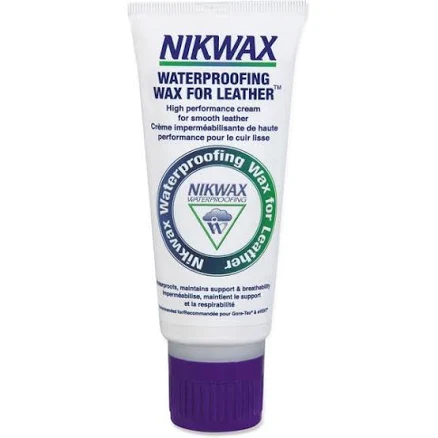
Nikwax
Waterproofing Wax for Leather
- wax-based waterproofing
- The brand calls it PFAS-free, which we have not verified
- Respiratory irritation or fume inhalation during application
2 hazards checked on this product. See all of them.
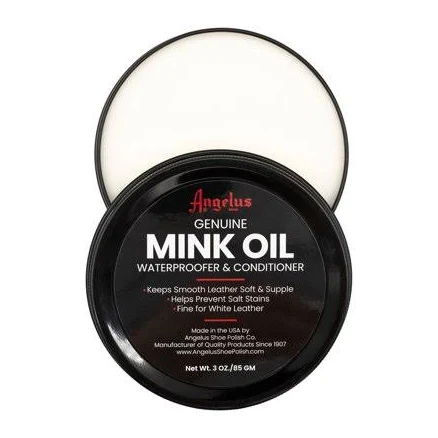
Angelus
Mink Oil Paste Leather Waterproofer and Contitioner 3 oz
- mink oil paste, natural oil-based conditioner
- We found no PFAS statement from the brand
- Microbial growth (natural oil rancidity)
2 hazards checked on this product. See all of them.
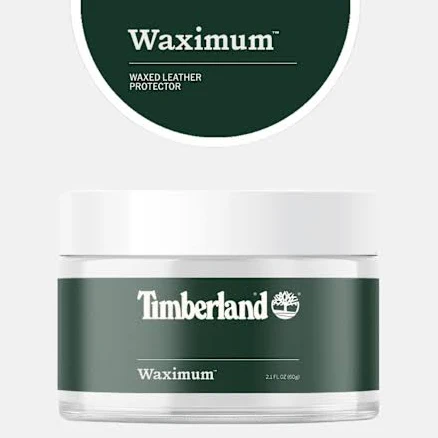
Timberland
Waximum Waxed Leather Protector
- Wax-based leather protector
- We found no PFAS statement from the brand
- Volatile organic compounds (VOCs) from solvents
3 hazards checked on this product. See all of them.
More fabric stain guard sprays grades
How we score, every product runs through the same public 0-100 rubric based on materials, coatings, brand disclosure, lab findings, and recalls. See the full methodology → Spotted a mistake? Report an error.