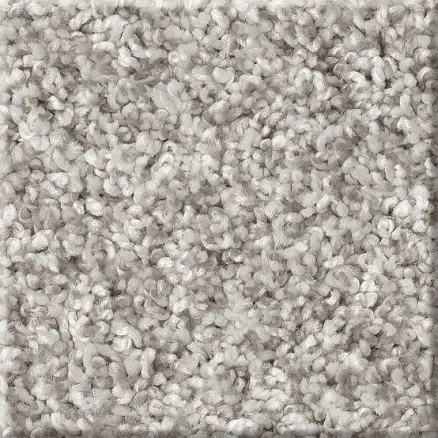
STAINMASTER 8-in x 8-in Impassioned II 68.3-oz sq yard Polyester Textured Indoor Carpet
Stainmaster carpets likely treated; brand silent on PFAS composition.
Stainmaster brand carpets typically use proprietary stain-resistant treatments, historically linked to fluorochemicals. Manufacturer provides no public PFAS disclosures or certifications for this product.
The better-graded swap
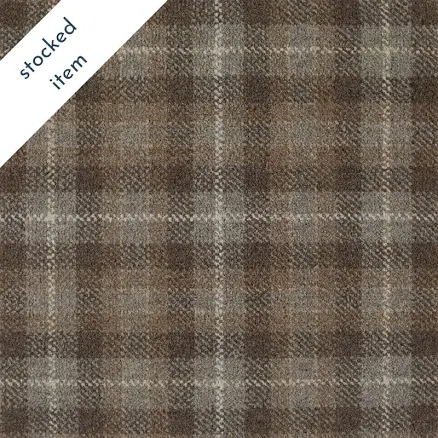
Axminster
Ben Vorlich Tartan Axminster Carpet | Wool Plaid
75/100 safety
Same rubric that flunked this product. The swap earned Excellent.
Still want this one anyway? Check the price on Amazon. We’d swap it.
Material
polyester carpet with stain-resist treatment
Brand disclosure
Brand is silent on PFAS
Lab data
No public lab test
You may also be interested in
Top-graded picks in the categories readers replace first, every one scored on the same rubric.

- polypropylene filter housing, carbon/sediment cartridge
- We found no PFAS statement from the brand
- Bacterial growth in spent cartridges
3 hazards checked on this product, all on its full breakdown.

Aquasure
Premier Series 75 GPD Under Sink Reverse Osmosis Water Filtration System
- RO membrane, carbon filters, stainless steel housing
- We found no PFAS statement from the brand
- Bacterial and microbial growth in housing and filters
4 hazards checked on this product, all on its full breakdown.

Avocado
Vegan Mattress
- organic cotton, natural latex, coconut coir, recycled steel coils
- The brand calls it PFAS-free, which we have not verified
- Heavy metals
2 hazards checked on this product, all on its full breakdown.
What STAINMASTER 8-in x 8-in Indoor Carpet is made of, ingredients and materials
Stainmaster Impassioned II is 100% polyester pile with a stain-resist chemical finish. Polyester itself is stable when intact, but the stain-resist coating (almost certainly fluorocarbon-based PFAS, per industry standard) and any applied flame retardants are the chemical concern. The 68.3 oz/sq yard weight indicates a dense, durable construction typical of residential broadloom, which can trap dust and off-gases if ventilation is poor.
What’s concerning
Waterproof / stain-resistant treatment
Water-repellent coating treatments have historically used PFAS.
Category baseline
The starting point for this type of product, before anything specific to this product is counted.
No PFAS disclosure
No public statement from the brand about PFAS in this product.
Flame retardants
Polyester residential carpets typically receive flame-retardant treatment to meet fire codes; Stainmaster does not specify which chemistry is used. Brominated retardants and some phosphate compounds have been linked to developmental effects in animal studies, though human exposure from carpet is generally low and localized unless carpet is burned or heavily worn.
Source, EPA ↗VOC and aldehyde off-gassing from adhesives and finishing treatments
New carpet installation commonly releases formaldehyde and other volatile organics for days to weeks, particularly with latex backing and factory treatments. Stainmaster does not publish off-gas test data; risk is mitigated by immediate ventilation and is typically transient.
Dust and particulate trapping from dense pile
Dense broadloom like this 68.3 oz product is known to accumulate and retain dust mites, allergens, and soil particles more readily than low-pile alternatives. Regular vacuuming with HEPA filtration is essential for occupants with respiratory sensitivity.
Degradation of stain coating and recontamination under heat or aggressive cleaning
Fluorocarbon stain treatments degrade over time and with exposure to high heat or harsh solvents. Once compromised, the carpet loses its protective barrier and may absorb contaminants more readily, including potential mobilization of residual treatment chemicals.
What’s reassuring
Antimony in polyester fiber (if present as a catalyst residue)
Antimony is a rare contaminant in polyester fiber manufacture but is not a documented issue in Stainmaster products specifically. Modern polyester production typically removes catalyst residues, and this hazard is not reported in the literature for commercial residential carpets.
How is this PFAS grade calculated?
The brand's record and disclosure
Stainmaster is a Unilever-owned brand with no public commitment to PFAS phase-out or ingredient transparency as of available records. The brand does not disclose stain-treatment chemistry or flame-retardant identity on consumer labels. Stainmaster carpets have been sold for decades without documented safety recalls, but the company's silence on fluorinated treatments is consistent with industry-wide non-disclosure of these coatings.
How it compares in its category
Stainmaster is a mainstream, mid-tier residential carpet brand. Like most conventional polyester carpets with integrated stain resistance, it is treated with PFAS-class chemicals at levels typical for the category. Untreated polyester carpets or those using non-fluorinated stain treatments (marketed as PFAS-free) are available but less common and often more expensive. Nylon alternatives may carry different flame retardant chemistry but similar opacity on disclosure.
If you buy it
Ventilate the room well for 48-72 hours after installation to reduce off-gassing of any residual treatments and adhesives. Avoid high heat (steam cleaning above 160F can degrade the stain coating and potentially mobilize chemicals); professional cleaning with appropriate temperature limits presents lower concern than aggressive home methods. Replace if the pile compacts severely or staining becomes visible after standard cleaning, as this signals coating failure and potential recontamination pathways. Vacuum regularly with a HEPA filter to minimize dust and particulate inhalation.
What is not known about PFAS in this product?
- Basis
- Model estimate, 35% confidence, not a lab result
- Lab test
- None on record for this exact product
- Brand statement
- Stainmaster has made none
Formulations change between production runs, so check the current label. How we grade.
What are the PFAS-free alternatives to STAINMASTER 8-in x 8-in Impassioned II 68.3-oz sq yard Polyester Textured Indoor Carpet?
- wool plaid, Axminster weave
- We found no PFAS statement from the brand
- Formaldehyde / VOCs
4 hazards checked on this product, all on its full breakdown.
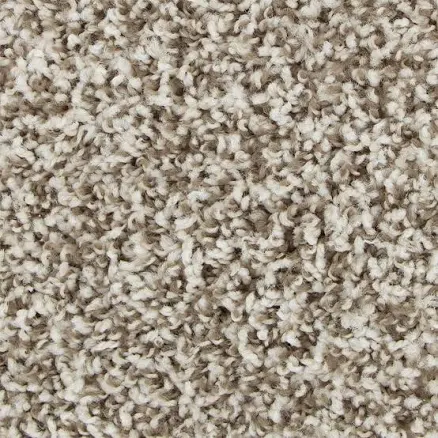
- polyester fiber, untreated
- We found no PFAS statement from the brand
- Formaldehyde / VOCs
4 hazards checked on this product, all on its full breakdown.
- Ceramic tile, porcelain, or stone composite
- We found no PFAS statement from the brand
- Volatile Organic Compounds (VOCs) from installation adhesives and grout
4 hazards checked on this product, all on its full breakdown.
More carpets & rugs grades
How we score, every product runs through the same public 0-100 rubric based on materials, coatings, brand disclosure, lab findings, and recalls. See the full methodology → Spotted a mistake? Report an error.