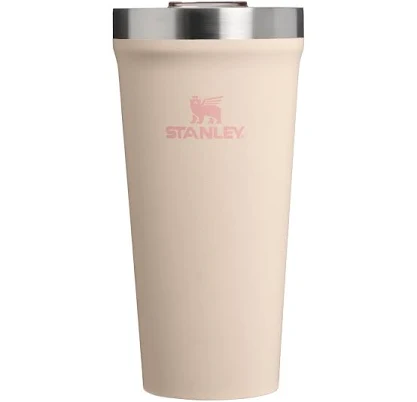
Stanley · Insulated Travel Mugs
Stanley Everyday Tumbler
Stainless steel tumbler, lower PFAS concern than nonstick cookware.
Stainless steel vacuum-insulated tumbler without nonstick or water-repellent coatings reported. No PFAS disclosure available, but bare metal construction presents lower concern than coated cookware.
The better-graded swap
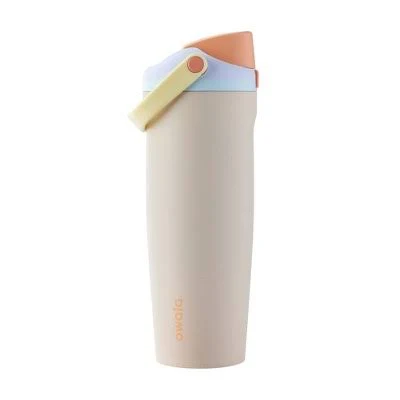
Owala
Owala FreeSip Sway Stainless Steel
80/100 safety
Same rubric that flunked this product. The swap earned Excellent.
Still want this one anyway? Check the price on Amazon. We’d swap it.
Material
stainless steel, vacuum insulated
Lab data
No public lab test
What Stanley Everyday Tumbler is made of, ingredients and materials
The Stanley Everyday Tumbler is constructed from 18/8 stainless steel (304 grade), a chromium-nickel alloy that resists corrosion and does not require protective coatings. Unlike ceramic-coated or nonstick cookware, stainless steel has no glaze, enamel, or Teflon-family coating surface that can degrade, flake, or leach into food and beverages. Vacuum insulation between double walls is typically foam or air with no food-contact surface, so the insulation material is not a direct hazard.
What’s concerning
No PFAS disclosure
No public statement from the brand about PFAS in this product.
Category baseline
The starting point for this type of product, before anything specific to this product is counted.
Silicone gasket and lid degradation
Silicone seals and gaskets on the removable lid can crack, discolor, or leach rubber compounds over time with repeated washing, thermal stress, or exposure to acidic beverages. Stanley does not publicly specify the composition of lid materials or replacement intervals.
Bacterial growth in seals and insulation gaps
Narrow gaps between the inner and outer stainless steel walls and around lid seals can trap moisture and organic matter if not dried thoroughly. Improper cleaning or long-term storage with residual liquid may permit mold or bacterial biofilm formation, though this is a maintenance issue rather than a manufacturing hazard.
What’s reassuring
Base material not linked to PFAS
The main material recorded for this product is not one associated with PFAS.
Aluminum leaching
Stainless steel construction eliminates aluminum contact. This product poses no aluminum leaching risk.
Lead
Vacuum-insulated stainless steel tumblers do not use ceramic glaze, enamel, or paint finishes. No lead or cadmium exposure pathway is established for this product type.
Source, ATSDR ↗Teflon-type coating fume risk (nonstick coating degradation)
The Stanley Everyday Tumbler uses no nonstick or Teflon-family coating surface. Teflon-type coating fume hazard does not apply to stainless steel drinkware.
The full breakdown
The brand's record and disclosure
Stanley has not publicly disclosed comprehensive material safety data sheets or third-party certifications for the Everyday Tumbler line. The brand has not been party to major product safety recalls involving tumblers in recent public records. Stanley's parent company (PMI) does not maintain visible transparency on PFAS use in drinkware seals or gaskets, leaving that risk profile unclear despite the stainless steel body itself posing minimal concern.
How it compares in its category
Stainless steel tumblers show lower concern in the drinkware category because they avoid the hazards of ceramics (lead in glazes), plastics (BPA, phthalates), and nonstick coatings (Teflon-type coating degradation). The Everyday Tumbler's vacuum insulation design is standard for insulated drinkware and poses no established safety risk. Price and durability put it on par with Hydro Flask and Yeti, all of which rely on similar stainless steel construction.
If you buy it
Wash by hand or upper-rack dishwasher; aggressive machine washing may damage seals over time. Do not expose to extreme temperature swings (e.g., boiling water followed by ice water) as this can stress the seal and gasket. Replace the silicone lid gasket if it becomes cracked, discolored, or develops odor, as degraded gaskets may trap bacteria or leach rubber compounds. Avoid prolonged storage of acidic beverages (vinegar, citrus juice) if the lid gasket shows wear, as some rubber compounds can degrade under acidic conditions.
What we don’t know
- Basis
- Model estimate, 82% confidence, not a lab result
- Lab test
- None on record for this exact product
- Brand statement
- Stanley has made a specific claim
Formulations change between production runs, so check the current label. How we grade.
Better-graded alternatives in Insulated Travel Mugs
Owala
FreeSip Sway Stainless Steel
- Stainless steel body, no interior coating disclosed
- Silicone and plastic lid/valve leachables
3 hazards checked on this product. See all of them.
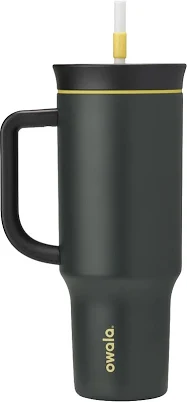
Owala
Stainless Steel Straw Tumbler Route 66
- Stainless steel tumbler, bare uncoated
- Coating degradation and microplastic shedding from exterior print
3 hazards checked on this product. See all of them.
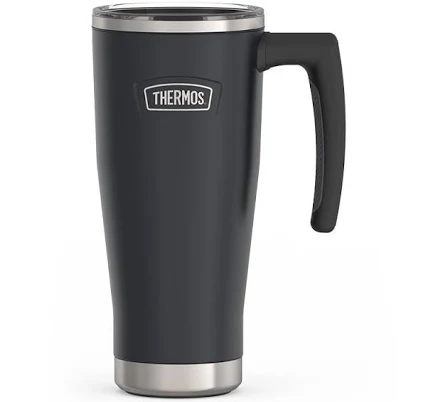
Thermos
18 oz. Icon Vacuum Insulated Stainless Steel Mug
- stainless steel exterior, vacuum insulation, stainless steel interior
- We found no PFAS statement from the brand
- Nickel leaching from stainless steel
3 hazards checked on this product. See all of them.
More insulated travel mugs grades
How we score, every product runs through the same public 0-100 rubric based on materials, coatings, brand disclosure, lab findings, and recalls. See the full methodology → Spotted a mistake? Report an error.