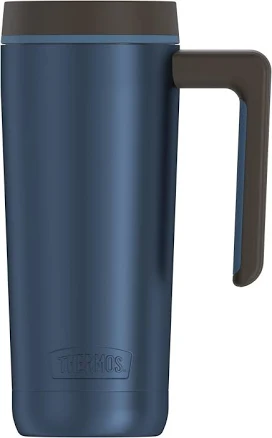
Thermos · Insulated Travel Mugs
Thermos Stainless Steel Mug
Low concern, bare stainless steel unlikely to have PFAS.
Thermos stainless steel mugs contain no disclosed coating or water-resistant layer. The base material itself carries lower PFAS potential.
We flunk more products than we pass. This one earned its grade. How we grade
Material
stainless steel, no stated coating
Brand disclosure
Brand is silent on PFAS
Lab data
No public lab test
You may also be interested in
Top-graded picks in the categories readers replace first, every one scored on the same rubric.

- polypropylene filter housing, carbon/sediment cartridge
- We found no PFAS statement from the brand
- Bacterial growth in spent cartridges
3 hazards checked on this product, all on its full breakdown.

Aquasure
Premier Series 75 GPD Under Sink Reverse Osmosis Water Filtration System
- RO membrane, carbon filters, stainless steel housing
- We found no PFAS statement from the brand
- Bacterial and microbial growth in housing and filters
4 hazards checked on this product, all on its full breakdown.

Avocado
Vegan Mattress
- organic cotton, natural latex, coconut coir, recycled steel coils
- The brand calls it PFAS-free, which we have not verified
- Heavy metals
2 hazards checked on this product, all on its full breakdown.
What Thermos Stainless Steel Mug is made of, ingredients and materials
This Thermos mug is constructed from stainless steel with no stated interior coating or enamel layer. Stainless steel is a chromium-nickel alloy that forms a passive oxide layer, making it chemically inert under normal use conditions. The absence of ceramic glazes, paint, or polymer linings eliminates the primary leaching pathways (lead, cadmium, Teflon-type coating fumes) that concern other drinkware. Metal-to-liquid contact is minimal risk because the alloy is designed for food contact.
What’s concerning
Category baseline
The starting point for this type of product, before anything specific to this product is counted.
No PFAS disclosure
No public statement from the brand about PFAS in this product.
Seam or lid leachables
The lid may contain polymer components (silicone gaskets, plastic valve mechanisms) that could leach phthalates or other additives if damaged or degraded over years of use. Inspect gaskets for discoloration or brittleness; replace lids if compromised. Thermos does not publicly disclose lid material composition.
Bacterial growth in valve/seal areas
Insulated mugs with lids and drink valves can harbor bacteria if not cleaned thoroughly and dried completely after each use. This is a hygiene/maintenance issue rather than a chemical hazard, but relevant to proper use. Disassemble the lid regularly and inspect for mold or biofilm.
What’s reassuring
Bare uncoated material
Recorded as a bare, uncoated material with no surface coating or treatment.
Nickel leaching from stainless steel
Stainless steel releases minimal nickel under normal cold or warm liquid use because the chromium oxide layer is stable at neutral pH. Hot acidic beverages (coffee, tea, citrus) can theoretically increase leaching, but well-made food-grade stainless steel is formulated to prevent this; no recalls or complaints for Thermos stainless mugs on this basis are on record.
Coating degradation and flaking
This product has no stated interior coating to degrade. If the exterior has any powder-coat or paint finish, mechanical wear rather than chemical toxicity is the concern; interior metal contact is primary and poses no identified hazard.
Aluminum leaching
Stainless steel construction means no aluminum is in contact with beverage. This hazard is not applicable to this product.
How is this PFAS grade calculated?
The brand's record and disclosure
Thermos has maintained a long history in insulated beverage containers with minimal documented safety recalls or chemical warnings related to stainless steel models. The company does not publicly issue detailed material certifications or PFAS-specific statements, which is typical for bare-metal drinkware manufacturers. No established controversies regarding heavy metal leaching or coating failure in their stainless steel products appear in public records.
How it compares in its category
Uncoated stainless steel mugs are among the lowest-risk drinkware options compared to ceramic-glazed, non-stick, or plastic alternatives. They avoid the lead/cadmium hazards of poorly regulated glazes, the Teflon-type coating degradation risk of non-stick coatings, and the BPA/phthalate concerns of polycarbonate or polypropylene. The tradeoff is durability of insulation properties over many years of thermal cycling, which is a performance rather than safety issue.
If you buy it
Hand-wash or use a gentle cycle to avoid scratching the exterior finish, which does not affect safety but preserves appearance. Do not use in a microwave, as metal conducts heat unevenly and poses burn risk (not a chemical hazard). Check the mug periodically for dents, cracks in any seals, or rust spots on the interior; these suggest breach of the stainless layer, though rare in quality Thermos products. Replace if the insulation noticeably degrades or the lid seal fails.
What is not known about PFAS in this product?
- Basis
- Model estimate, 85% confidence, not a lab result
- Lab test
- None on record for this exact product
- Brand statement
- Thermos has made none
Formulations change between production runs, so check the current label. How we grade.
What are the PFAS-free alternatives to Thermos Stainless Steel Mug?
- stainless steel exterior, ceramic lining interior
- Ceramic coating degradation over time
3 hazards checked on this product, all on its full breakdown.
- Stainless steel body, plastic lid
- We found no PFAS statement from the brand
- Plastic lid polymer identity and leaching potential
3 hazards checked on this product, all on its full breakdown.
More insulated travel mugs grades
How we score, every product runs through the same public 0-100 rubric based on materials, coatings, brand disclosure, lab findings, and recalls. See the full methodology → Spotted a mistake? Report an error.