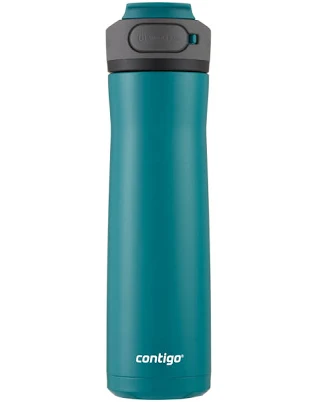
Contigo · Insulated Travel Mugs
Contigo Cortland Chill 2.0 Stainless Steel Water Bottle
Low-Medium risk. Bare stainless steel bottle with no known problematic coatings.
This stainless steel water bottle has no reported surface treatments or nonstick coatings. Bare stainless steel carries minimal PFAS risk.
We flunk more products than we pass. This one earned its grade. How we grade
Material
stainless steel, no reported coating
Lab data
No public lab test
You may also be interested in
Top-graded picks in the categories readers replace first, every one scored on the same rubric.

- polypropylene filter housing, carbon/sediment cartridge
- We found no PFAS statement from the brand
- Bacterial growth in spent cartridges
3 hazards checked on this product, all on its full breakdown.

Aquasure
Premier Series 75 GPD Under Sink Reverse Osmosis Water Filtration System
- RO membrane, carbon filters, stainless steel housing
- We found no PFAS statement from the brand
- Bacterial and microbial growth in housing and filters
4 hazards checked on this product, all on its full breakdown.

Avocado
Vegan Mattress
- organic cotton, natural latex, coconut coir, recycled steel coils
- The brand calls it PFAS-free, which we have not verified
- Heavy metals
2 hazards checked on this product, all on its full breakdown.
What Contigo Cortland Chill 2.0 Water Bottle is made of, ingredients and materials
The Cortland Chill 2.0 uses 18/8 food-grade stainless steel as its primary material, which is a chromium-nickel alloy resistant to corrosion and oxidation. Stainless steel does not leach harmful chemicals under normal use conditions because the chromium oxide surface layer forms a protective barrier. Unlike coated or painted drinkware, this bare metal design eliminates risks from degrading ceramic glazes, polymer coatings, or epoxy linings that can shed particles or chemical residues over time.
What’s concerning
Category baseline
The starting point for this type of product, before anything specific to this product is counted.
No PFAS disclosure
No public statement from the brand about PFAS in this product.
Gasket and seal degradation
Rubber or silicone gaskets in the lid can degrade over time, especially with hot beverages or dishwasher exposure. Degradation may release small amounts of volatile organic compounds or compromise the seal, allowing bacterial colonization. Replacement gaskets are available but not always included.
Bacterial growth in inaccessible spaces
The double-wall vacuum design creates sealed air space that cannot be directly cleaned. If the seal fails or water enters during washing, trapped moisture can support mold or bacterial growth. Regular cleaning of the lid threads and gasket areas is the primary mitigation.
Thermal stress and seal failure
Repeated exposure to extreme temperature differences can compromise the vacuum seal or weaken the cap threads over time. A compromised seal reduces insulation performance and increases risk of stagnant water pooling, but does not release chemical hazards directly.
What’s reassuring
Bare uncoated material
Recorded as a bare, uncoated material with no surface coating or treatment.
Nickel leaching from stainless steel
18/8 stainless steel leaches only trace amounts of nickel under normal drinking conditions. No documented cases of nickel poisoning from Contigo bottles. Individuals with severe nickel allergies should monitor skin contact at the lip; internal leaching is not a practical concern.
Lead
This model has no ceramic glaze, enamel, or paint coating on the drinking surface. External printed graphics (if present) are not in contact with beverages. No recalls or testing indicating toxic metal contamination in graphics.
Source, ATSDR ↗How is this PFAS grade calculated?
The brand's record and disclosure
Contigo does not publish detailed safety disclosures or third-party certifications on chemical composition for this product line. The company has no documented history of major recalls or contamination issues affecting insulated bottles. The brand operates under standard FDA food-contact compliance for materials but does not volunteer additional testing data or sustainability certifications beyond what regulations require.
How it compares in its category
Insulated tumblers typically use stainless steel or plastic inner walls; plastic-lined alternatives carry leaching risk from BPA or other polymers, especially under heat or repeated washing. The Cortland Chill 2.0 avoids this by using solid steel construction. Competitor brands (Hydro Flask, YETI) use similar bare stainless steel designs, placing Contigo in a low-risk category for materials, though some premium brands provide more transparency on metal sourcing and manufacturing.
If you buy it
Hand wash or use a dishwasher safe cycle to preserve the double-wall vacuum seal and avoid thermal stress. Do not expose to extreme temperature swings (such as filling with boiling water then immediately freezing) as repeated stress can degrade seal integrity. Inspect the lid gasket annually for cracks or discoloration; replace if damaged to prevent leaks and bacterial growth in the gap. Stainless steel is durable but can develop microscopic scratches from abrasive scrubbing; use soft sponges to minimize surface damage.
What is not known about PFAS in this product?
- Basis
- Model estimate, 82% confidence, not a lab result
- Lab test
- None on record for this exact product
- Brand statement
- Contigo has made a specific claim
Formulations change between production runs, so check the current label. How we grade.
What are the PFAS-free alternatives to Contigo Cortland Chill 2.0 Stainless Steel Water Bottle?
- stainless steel exterior, ceramic lining interior
- Ceramic coating degradation over time
3 hazards checked on this product, all on its full breakdown.
- Stainless steel body, plastic lid
- We found no PFAS statement from the brand
- Plastic lid polymer identity and leaching potential
3 hazards checked on this product, all on its full breakdown.
More insulated travel mugs grades
How we score, every product runs through the same public 0-100 rubric based on materials, coatings, brand disclosure, lab findings, and recalls. See the full methodology → Spotted a mistake? Report an error.