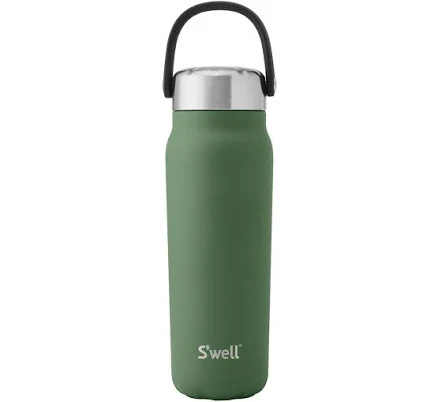
S'well · Insulated Travel Mugs
S'well Recycled Stainless Steel Explorer 24oz Green Jasper
No coating on record. Recycled stainless steel material is not linked to PFAS.
This product is made from recycled stainless steel with no coating disclosed. The material itself is not a type linked to PFAS concerns. S'well has no PFAS statement on record for this product.
We flunk more products than we pass. This one earned its grade. How we grade
Material
Recycled stainless steel, no coating disclosed
Lab data
No public lab test
You may also be interested in
Top-graded picks in the categories readers replace first, every one scored on the same rubric.

- polypropylene filter housing, carbon/sediment cartridge
- We found no PFAS statement from the brand
- Bacterial growth in spent cartridges
3 hazards checked on this product, all on its full breakdown.

Aquasure
Premier Series 75 GPD Under Sink Reverse Osmosis Water Filtration System
- RO membrane, carbon filters, stainless steel housing
- We found no PFAS statement from the brand
- Bacterial and microbial growth in housing and filters
4 hazards checked on this product, all on its full breakdown.

Avocado
Vegan Mattress
- organic cotton, natural latex, coconut coir, recycled steel coils
- The brand calls it PFAS-free, which we have not verified
- Heavy metals
2 hazards checked on this product, all on its full breakdown.
What S'well Recycled Stainless Green Jasper is made of, ingredients and materials
S'well's Explorer line uses recycled stainless steel (typically 18/8 or 304-grade), which is chemically inert and does not leach metals under normal use. Stainless steel's chromium-nickel matrix resists corrosion and degradation, meaning no coatings, enamels, or liners that could degrade over time or shed particulates. The recycled origin does not reduce material safety, as stainless steel purity is maintained through industrial refining regardless of source.
What’s concerning
Category baseline
The starting point for this type of product, before anything specific to this product is counted.
No PFAS disclosure
No public statement from the brand about PFAS in this product.
Bacterial growth in seams or caps
The bottle's gasket, lid interior, and seams may harbor bacteria if not dried thoroughly after washing. This is a maintenance issue, not a material defect; standard cleaning and air drying prevent buildup.
What’s reassuring
Bare uncoated material
Recorded as a bare, uncoated material with no surface coating or treatment.
Metal leaching (nickel, chromium)
Stainless steel 18/8 is passive and does not leach nickel or chromium into beverages under normal pH and temperature conditions. No established cases of leaching from S'well stainless bottles have been reported.
Coating degradation and particulate shedding
This product is bare stainless steel with no internal coating, enamel, or ceramic liner, eliminating the risk of coating flaking or chemical release from surface breakdown.
Microplastic generation
Stainless steel does not degrade into microplastics and is chemically stable across all normal temperature ranges and beverage types.
Heavy metals
Stainless steel recycling processes use magnetic and chemical separation to remove contaminants. No recalls or test failures for heavy metals in S'well recycled steel products are on record.
Source, FDA ↗How is this PFAS grade calculated?
The brand's record and disclosure
S'well publishes material specifications and has faced no major safety recalls or contamination incidents on record. The brand is transparent about stainless steel composition and has not been implicated in undisclosed chemical use or greenwashing controversies. S'well remains silent on PFAS testing, consistent with most water bottle manufacturers, but this does not indicate hidden use given the bare-steel construction.
How it compares in its category
Stainless steel bottles have lower concern for risks tied to plastic leaching (BPA, phthalates) or ceramic glazes (lead, cadmium). S'well's recycled material approach is comparable to Hydro Flask and other mid-premium brands; all use similar 18/8 steel and carry comparable safety profiles. The main trade-off is weight and cost versus plastic or aluminum alternatives.
If you buy it
Stainless steel is dishwasher safe and requires no special maintenance beyond routine cleaning; no coating replacement or degradation is expected. Avoid prolonged storage of acidic beverages (lemon water, vinegar) in new bottles, as minor surface discoloration can occur, though this does not affect safety. The bottle is suitable for hot and cold liquids and will not degrade or leach under normal use conditions.
What is not known about PFAS in this product?
- Basis
- Model estimate, 82% confidence, not a lab result
- Lab test
- None on record for this exact product
- Brand statement
- S'well has made a specific claim
Formulations change between production runs, so check the current label. How we grade.
What are the PFAS-free alternatives to S'well Recycled Stainless Steel Explorer 24oz Green Jasper?
- stainless steel exterior, ceramic lining interior
- Ceramic coating degradation over time
3 hazards checked on this product, all on its full breakdown.
- Stainless steel body, plastic lid
- We found no PFAS statement from the brand
- Plastic lid polymer identity and leaching potential
3 hazards checked on this product, all on its full breakdown.
More insulated travel mugs grades
How we score, every product runs through the same public 0-100 rubric based on materials, coatings, brand disclosure, lab findings, and recalls. See the full methodology → Spotted a mistake? Report an error.