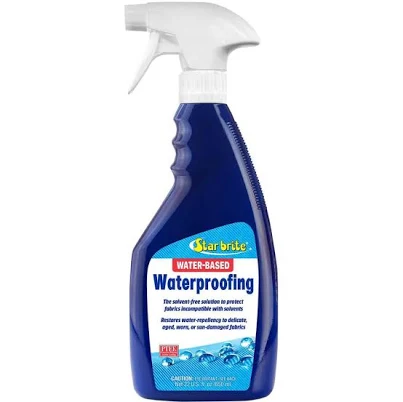
Star brite · Fabric Stain Guard Sprays
Star Brite Water-Based Waterproofing
Water-based formulation lowers risk. Verify ingredients before buying.
Water-based waterproofing avoids the Teflon-family coating coatings typical in solvent formulas. No PFAS statement found. Contact the manufacturer to request the complete ingredient list.
Still want this one anyway? Check the price on Amazon. We’d swap it.
Material
water-based polymer coating
Brand disclosure
Brand is silent on PFAS
Lab data
No public lab test
What Star Brite Water-Based Waterproofing is made of, ingredients and materials
Star Brite Water-Based Waterproofing is a polymer-based coating designed for marine and outdoor surfaces, formulated without solvent carriers to reduce volatile organic compound (VOC) emissions during application. Water-based systems use acrylic or polyurethane dispersions suspended in water rather than petroleum solvents, which significantly lowers acute inhalation risk during use. The actual resin type and any additives (plasticizers, biocides, UV absorbers) determine whether leaching or off-gassing occurs once cured. Star Brite does not publicly disclose the specific polymer chemistry or full ingredient list on widely available product pages.
What’s concerning
Category baseline
The starting point for this type of product, before anything specific to this product is counted.
No PFAS disclosure
No public statement from the brand about PFAS in this product.
Waterproof / stain-resistant treatment
Water-repellent coating treatments have historically used PFAS.
Volatile organic compounds (VOCs) - application phase
Water-based formulations emit lower VOCs than solvent-based coatings, but some residual organic solvents or coalescing agents are often present in water-based polymer systems to aid film formation; Star Brite does not disclose specific VOC content or emissions data.
Biocides and antimicrobial additives
Marine waterproofing coatings frequently include biocides to prevent mold and algae growth in moist environments; Star Brite's ingredient list is not publicly available, so the presence and type of biocides cannot be confirmed or ruled out.
Leaching of plasticizers or additives into water or soil
Water-based polymers may contain plasticizers or dispersants that can leach if the coating degrades or is exposed to prolonged moisture; no specific leachate testing data is available for this product.
Skin or respiratory irritation during application
Star Brite product pages carry standard warnings to avoid skin contact and inhalation; water-based systems are lower-risk than solvent-based but still contain surfactants and dispersing agents that can irritate sensitive skin or airways.
Coating adhesion failure or film degradation over time
Water-based coatings are more susceptible to moisture-related adhesion loss and UV degradation than some solvent-based or epoxy alternatives; marine salt spray and freeze-thaw cycles can accelerate failure if the formulation lacks robust UV stabilizers or crosslinking density.
The full breakdown
The brand's record and disclosure
Star Brite is a marine-focused brand under the larger Spectrum Brands portfolio; the company has not published detailed ingredient disclosures or third-party certifications (GreenGuard, Cradle to Cradle, etc.) for this waterproofing line. No established recalls or safety controversies specific to this product were found in public records. The brand maintains a 'silent' stance on PFAS content, which is typical of many marine coatings but inconsistent with transparency-leading competitors; this absence of confirmation does not rule out fluorinated water-repellent components common in waterproofing chemistry.
How it compares in its category
Water-based waterproofing coatings are generally lower-risk than solvent-based equivalents during application and early curing phases. However, durability and water-repellency in marine applications traditionally relied on fluorinated compounds (PFAS) or other persistent hydrophobic agents; Star Brite's silence on this chemistry makes direct comparison uncertain. Competitors offering certified low-VOC or PFAS-free marine coatings (e.g., certain epoxy or polyurethane systems with disclosed chemistry) provide more transparency, though they may command higher cost or longer cure times.
If you buy it
Request or obtain a Safety Data Sheet (SDS) and full ingredient list from Star Brite or the retailer before purchase to confirm absence of PFAS and other restricted additives. Apply in well-ventilated outdoor areas and follow cure time (typically 24-48 hours for water-based coatings) before water exposure; do not apply in temperatures below 50°F or high humidity, which can trap moisture and degrade the film. Inspect the coating annually for peeling, chalking, or discoloration; reapply every 2-3 years depending on UV and salt spray exposure. If you have respiratory sensitivities or are using indoors, err toward solvent-free or certified low-VOC alternatives.
What we don’t know
- Basis
- Model estimate, 72% confidence, not a lab result
- Lab test
- None on record for this exact product
- Brand statement
- Star brite has made none
Formulations change between production runs, so check the current label. How we grade.
Better-graded alternatives in Fabric Stain Guard Sprays
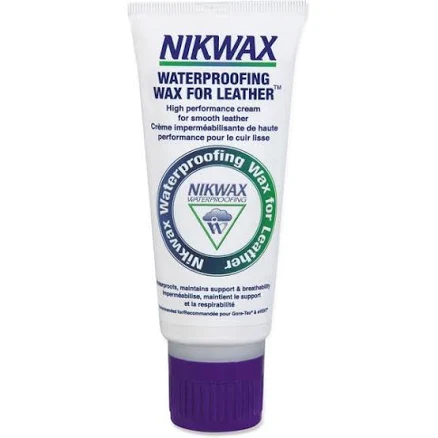
Nikwax
Waterproofing Wax for Leather
- wax-based waterproofing
- The brand calls it PFAS-free, which we have not verified
- Respiratory irritation or fume inhalation during application
2 hazards checked on this product. See all of them.
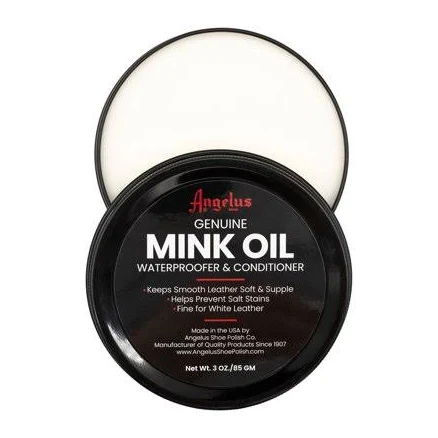
Angelus
Mink Oil Paste Leather Waterproofer and Contitioner 3 oz
- mink oil paste, natural oil-based conditioner
- We found no PFAS statement from the brand
- Microbial growth (natural oil rancidity)
2 hazards checked on this product. See all of them.
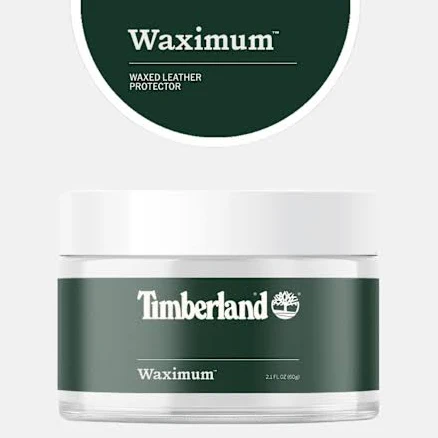
Timberland
Waximum Waxed Leather Protector
- Wax-based leather protector
- We found no PFAS statement from the brand
- Volatile organic compounds (VOCs) from solvents
3 hazards checked on this product. See all of them.
More fabric stain guard sprays grades
How we score, every product runs through the same public 0-100 rubric based on materials, coatings, brand disclosure, lab findings, and recalls. See the full methodology → Spotted a mistake? Report an error.