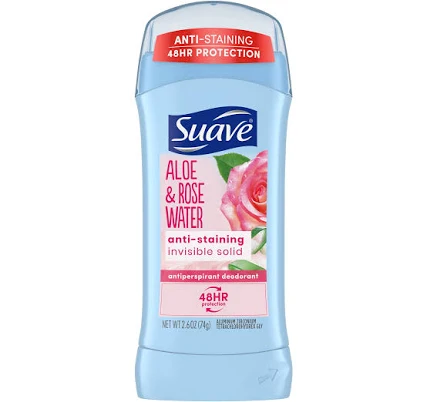
Suave Invisible Solid Antiperspirant Deodorant
Lower concern. Solid antiperspirant with typical cosmetic powders, no known PFAS use.
Suave's solid antiperspirant uses standard talc and mineral powders without disclosed water or stain-resistant coatings. No public PFAS risk signals, though brand provides no explicit statement.
We flunk more products than we pass. This one earned its grade. How we grade
Material
talc, starch, and mineral-based powders in solid stick form
Brand disclosure
Brand is silent on PFAS
Lab data
No public lab test
You may also be interested in
Top-graded picks in the categories readers replace first, every one scored on the same rubric.

- polypropylene filter housing, carbon/sediment cartridge
- We found no PFAS statement from the brand
- Bacterial growth in spent cartridges
3 hazards checked on this product, all on its full breakdown.

Aquasure
Premier Series 75 GPD Under Sink Reverse Osmosis Water Filtration System
- RO membrane, carbon filters, stainless steel housing
- We found no PFAS statement from the brand
- Bacterial and microbial growth in housing and filters
4 hazards checked on this product, all on its full breakdown.

Avocado
Vegan Mattress
- organic cotton, natural latex, coconut coir, recycled steel coils
- The brand calls it PFAS-free, which we have not verified
- Heavy metals
2 hazards checked on this product, all on its full breakdown.
What Suave Invisible Solid Deodorant is made of, ingredients and materials
Suave Invisible Solid is a talc-starch blend typical of mass-market antiperspirants. Talc itself is a naturally occurring mineral that poses no inherent toxicity at cosmetic grades when free of asbestos contamination (regulated by FDA). The starch component is inert filler. Aluminum compounds (likely aluminum zirconium) provide antiperspirant function; these remain surface-localized and are not absorbed systemically in meaningful amounts from topical application. The solid stick format avoids solvents and spray inhalation risks.
What’s concerning
Category baseline
The starting point for this type of product, before anything specific to this product is counted.
No PFAS disclosure
No public statement from the brand about PFAS in this product.
Fragrance allergens
Suave Invisible Solid contains fragrance blend. Unilever does not disclose proprietary fragrance components; skin sensitization or contact dermatitis is possible in individuals with fragrance sensitivity. Incidence is low but not rare in broad population use.
What’s reassuring
Base material not linked to PFAS
The main material recorded for this product is not one associated with PFAS.
Talc contamination (asbestos)
Cosmetic-grade talc sold in the US is regulated for asbestos absence by FDA. Suave's supply chain is not independently disclosed, but no recalls or contamination reports exist for Suave antiperspirants. Risk is theoretical at regulatory compliance level.
Heavy metals
Suave Invisible Solid contains no declared colorants or dyes. The product relies on talc-starch opacity. No heavy metal hazard identified in formulation.
Source, FDA ↗Formaldehyde / VOCs
Solid antiperspirants require minimal preservative load due to low water content. Suave does not list formaldehyde-releasing agents (e.g. DMDM hydantoin) in disclosed ingredients. No established concern for this product type.
Source, ATSDR ↗Aluminum compound absorption and systemic effects
Aluminum salts (zirconium-aluminum) in antiperspirants are not systemically absorbed in measurable quantities via topical skin application. No established link to neurological or metabolic harm at cosmetic dosing. Regulatory agencies (EPA, FDA) have not identified concerns with this product category for intended use.
How is this PFAS grade calculated?
The brand's record and disclosure
Suave (Unilever subsidiary) does not publicly disclose ingredient sourcing or talc-supplier asbestos testing protocols, though Unilever's global products meet FDA talc purity standards. No recalls or regulatory actions against Suave antiperspirants for contaminant issues are on record. The brand does not pursue cruelty-free or third-party safety certifications. Ingredient listings are standard and transparent on packaging.
How it compares in its category
This product is mainstream mid-tier, cheaper than natural/mineral alternatives, equivalent safety profile to competitors like Secret or Degree at similar price. Talc-based sticks remain the category default despite ongoing talc litigation in the US (unrelated to cosmetic grades); aluminum-free or baking-soda alternatives exist but carry different irritation trade-offs. Solid stick format is lower-risk than spray or liquid gel variants for inhalation exposure.
If you buy it
Apply to dry underarm skin only; avoid application to broken skin or within 15 minutes of shaving to reduce irritation. Store below 30°C to prevent stick softening or sweating (talc-starch blend has low melt point). Replace every 6-12 months or when depleted. Discontinue if persistent rash or allergic reaction develops; fragrance or starch sensitivity is possible but not common. No special maintenance required.
What is not known about PFAS in this product?
- Basis
- Model estimate, 72% confidence, not a lab result
- Lab test
- None on record for this exact product
- Brand statement
- Suave has made none
Formulations change between production runs, so check the current label. How we grade.
What are the PFAS-free alternatives to Suave Invisible Solid Antiperspirant Deodorant?
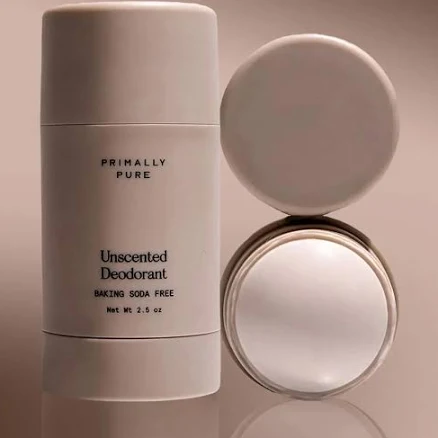
- mineral-based powder blend (arrowroot, magnesium hydroxide, mica)
- We found no PFAS statement from the brand
- Skin irritation from magnesium hydroxide alkalinity
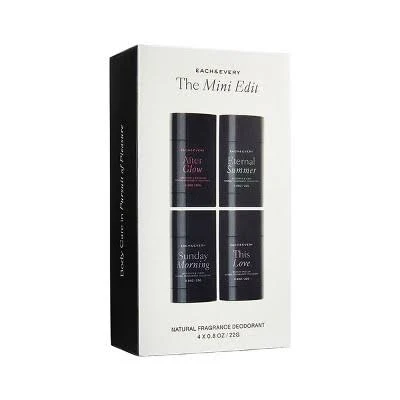
- cosmetic formulations, primary ingredients listed
- A third party reports verifying it as PFAS-free
- Fragrance allergens (natural essential oils)
2 hazards checked on this product, all on its full breakdown.
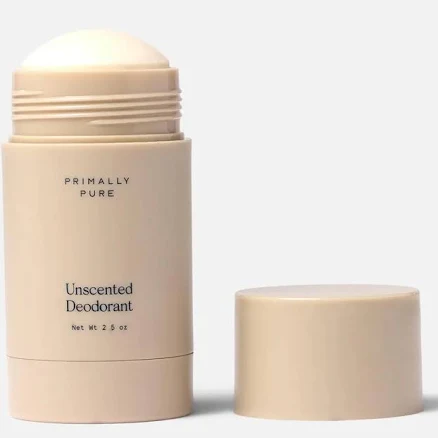
- natural mineral powders, plant-based actives, beeswax
- We found no PFAS statement from the brand
- Beeswax purity and contamination
2 hazards checked on this product, all on its full breakdown.
More deodorant grades
How we score, every product runs through the same public 0-100 rubric based on materials, coatings, brand disclosure, lab findings, and recalls. See the full methodology → Spotted a mistake? Report an error.