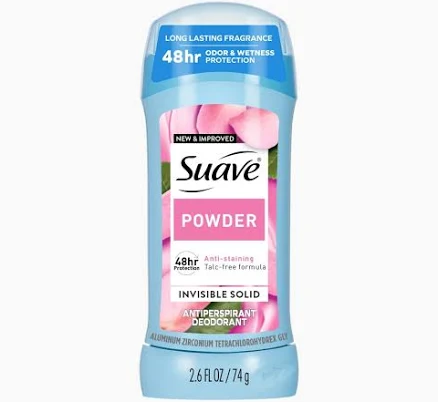
Suave Women's Antiperspirant Deodorant
Lower concern. Typical mineral-based antiperspirant with no known PFAS use.
Suave antiperspirant contains standard cosmetic ingredients like talc and aluminum. No public evidence of PFAS, but brand makes no disclosure about PFAS policy or testing.
We flunk more products than we pass. This one earned its grade. How we grade
Material
talc, starch, fragrance, aluminum compounds
Brand disclosure
Brand is silent on PFAS
Lab data
No public lab test
You may also be interested in
Top-graded picks in the categories readers replace first, every one scored on the same rubric.

- polypropylene filter housing, carbon/sediment cartridge
- We found no PFAS statement from the brand
- Bacterial growth in spent cartridges
3 hazards checked on this product, all on its full breakdown.

Aquasure
Premier Series 75 GPD Under Sink Reverse Osmosis Water Filtration System
- RO membrane, carbon filters, stainless steel housing
- We found no PFAS statement from the brand
- Bacterial and microbial growth in housing and filters
4 hazards checked on this product, all on its full breakdown.

Avocado
Vegan Mattress
- organic cotton, natural latex, coconut coir, recycled steel coils
- The brand calls it PFAS-free, which we have not verified
- Heavy metals
2 hazards checked on this product, all on its full breakdown.
What Suave Women's Antiperspirant Deodorant is made of, ingredients and materials
Suave Women's Antiperspirant Deodorant is formulated with talc as a primary ingredient, aluminum compounds (likely aluminum zirconium) as the active antiperspirant agent, fragrance blends, and starch as texture modifiers. Talc itself is a naturally occurring mineral; the primary historical concern has been asbestos contamination in mining and processing, though talc suppliers in the US have been regulated for asbestos absence since the 1970s. Aluminum in antiperspirants enters the skin in small amounts; absorption is generally low and systemic accumulation from typical use is not established as a clinical risk by major health bodies, though some consumers prefer aluminum-free alternatives for precautionary reasons.
What’s concerning
Category baseline
The starting point for this type of product, before anything specific to this product is counted.
No PFAS disclosure
No public statement from the brand about PFAS in this product.
Fragrance allergens and undisclosed components
Suave lists 'fragrance' as a catch-all ingredient without breaking down specific odorant molecules or allergens such as limonene or eugenol. Some consumers report contact dermatitis or sensitization; this is typical for mass-market fragranced products but cannot be predicted without individual sensitivity testing.
What’s reassuring
Base material not linked to PFAS
The main material recorded for this product is not one associated with PFAS.
Talc contamination (asbestos)
No recalls or test failures have been publicly reported for Suave antiperspirant products. US talc suppliers are required to test for asbestos; however, talc mining and milling carry historical contamination risk in older or unregulated sources. Suave does not disclose supplier identity or asbestos test certificates.
Aluminum systemic absorption
Topical aluminum in antiperspirants is absorbed in trace amounts through intact skin. No established causal link to Alzheimer's disease or kidney disease has been confirmed by major epidemiologic studies, though debate continues in some scientific circles. FDA considers aluminum antiperspirants presents lower concern at current use levels.
Heavy metals
Talc can naturally contain trace lead or cadmium depending on ore source; regulatory limits apply but are not independently verified per batch by Suave publicly. The product is lightly pigmented; iron oxides and mica are typical colorants with no hazard of this kind on record, but formulations are not disclosed in detail.
Source, FDA ↗Formaldehyde / VOCs
Suave does not list formaldehyde-releasing preservatives (such as dmdm hydantoin or imidazolidinyl urea) on the ingredient label currently available. However, complete preservative identity is not always disclosed; if present in trace amounts, they typically present lower concern under cosmetic regulations.
Source, ATSDR ↗How is this PFAS grade calculated?
The brand's record and disclosure
Suave (owned by Unilever) does not publish detailed ingredient sourcing or third-party safety certifications for this product line. The brand has not faced major recalls or documented controversies specific to this antiperspirant formula in public health records. Unilever's general cosmetics transparency is moderate; they comply with FDA and EU regulations but do not voluntarily disclose manufacturing test data for talc purity or fragrance allergen profiling for individual SKUs.
How it compares in its category
Talc-based antiperspirants are among the most common and affordable options in the US market; Suave sits in the mass-market segment alongside brands like Secret and Degree. Aluminum-free alternatives (starch or baking-soda based) are available but typically cost more and may be less effective for heavy sweating. Clinical-strength antiperspirants contain higher aluminum loads (20% vs typical 15%), so Suave's standard formula represents a middle-ground choice for typical daily use.
If you buy it
Apply to clean, dry underarms once daily, typically in the evening for best effectiveness. Do not apply to broken, irritated, or freshly shaved skin, as aluminum compounds can cause temporary irritation. Discontinue and consult a dermatologist if rash, swelling, or persistent irritation develops. Replace the stick if it becomes discolored, hardened, or develops an off odor, which may indicate formula breakdown or contamination.
What is not known about PFAS in this product?
- Basis
- Model estimate, 72% confidence, not a lab result
- Lab test
- None on record for this exact product
- Brand statement
- Suave has made none
Formulations change between production runs, so check the current label. How we grade.
What are the PFAS-free alternatives to Suave Women's Antiperspirant Deodorant?
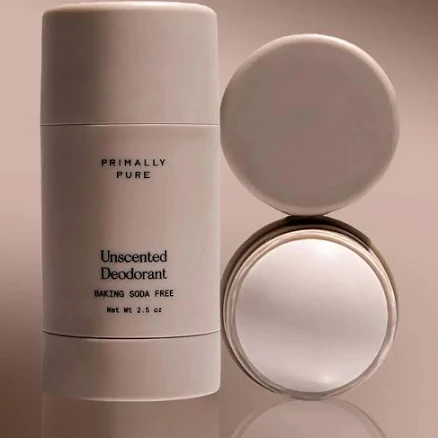
- mineral-based powder blend (arrowroot, magnesium hydroxide, mica)
- We found no PFAS statement from the brand
- Skin irritation from magnesium hydroxide alkalinity
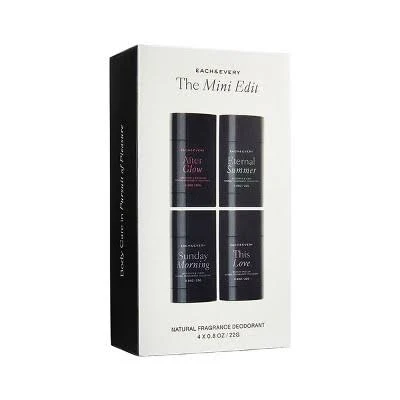
- cosmetic formulations, primary ingredients listed
- A third party reports verifying it as PFAS-free
- Fragrance allergens (natural essential oils)
2 hazards checked on this product, all on its full breakdown.
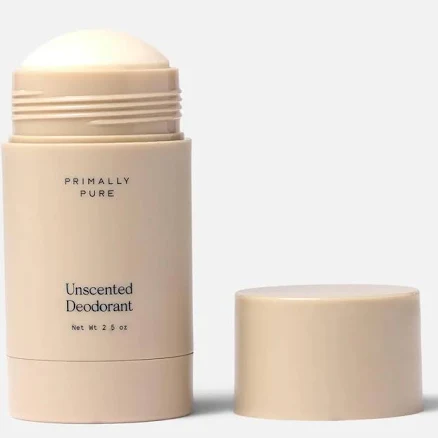
- natural mineral powders, plant-based actives, beeswax
- We found no PFAS statement from the brand
- Beeswax purity and contamination
2 hazards checked on this product, all on its full breakdown.
More deodorant grades
How we score, every product runs through the same public 0-100 rubric based on materials, coatings, brand disclosure, lab findings, and recalls. See the full methodology → Spotted a mistake? Report an error.