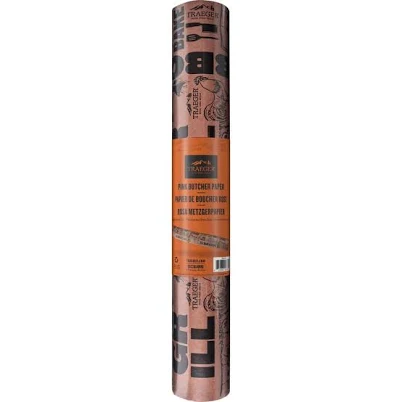
· Grease-Resistant Butcher & Deli Paper
Traeger BBQ Butcher Paper Roll
Butcher paper commonly uses PFAS grease barriers. Brand offers no data.
Butcher paper gets grease resistance from a coating that could be PFAS-based. The brand provides no public information about PFAS or what the coating contains.
The better-graded swap
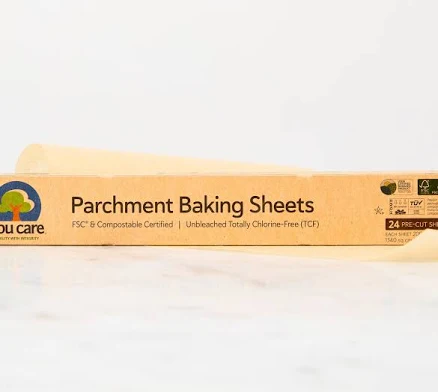
If You Care
If You Care Parchment Baking Paper
90/100 safety
Same rubric that flunked this product. The swap earned Excellent.
Still want this one anyway? Check the price on Amazon. We’d swap it.
Material
paper with grease-resistant coating
Brand disclosure
Brand is silent on PFAS
Lab data
No public lab test
You may also be interested in
Top-graded picks in the categories readers replace first, every one scored on the same rubric.

- polypropylene filter housing, carbon/sediment cartridge
- We found no PFAS statement from the brand
- Bacterial growth in spent cartridges
3 hazards checked on this product, all on its full breakdown.

Aquasure
Premier Series 75 GPD Under Sink Reverse Osmosis Water Filtration System
- RO membrane, carbon filters, stainless steel housing
- We found no PFAS statement from the brand
- Bacterial and microbial growth in housing and filters
4 hazards checked on this product, all on its full breakdown.

Avocado
Vegan Mattress
- organic cotton, natural latex, coconut coir, recycled steel coils
- The brand calls it PFAS-free, which we have not verified
- Heavy metals
2 hazards checked on this product, all on its full breakdown.
What Traeger BBQ Butcher Paper Roll is made of, ingredients and materials
Butcher Paper is cellulose-based kraft paper treated with a grease-resistant coating to withstand meat juices and barbecue smoke during cooking. The coating formulation is not publicly disclosed by Systempak or the brand. Grease barriers in food-contact papers are conventionally applied using fluorinated compounds (PFAS-class), which resist both water and oil penetration at the molecular level. Without certification or ingredient transparency, the exact chemistry cannot be confirmed.
What’s concerning
Category baseline
The starting point for this type of product, before anything specific to this product is counted.
No PFAS disclosure
No public statement from the brand about PFAS in this product.
Waterproof / stain-resistant treatment
Water-repellent coating treatments have historically used PFAS.
PFAS
Butcher papers require water- and oil-repellent barriers; PFAS chemistry is the dominant industrial solution. Systempak has not disclosed whether their coating is fluorinated or fluorine-free. Heating food-contact papers with PFAS-based coatings may release trace fluorinated compounds, especially under high smoking temperatures above 200°C, though typical BBQ use (wrapped meat, indirect heat) pose
Source, ATSDR ↗Thermal degradation of coating at extreme temperatures
If paper is exposed to direct heat sources, grill grates, or temperatures exceeding 300°C, the coating may degrade or off-gas volatile compounds. Standard BBQ wrapping (indirect smoke, 100-180°C) is within safe operating range for food-contact paper, but direct flame contact or extreme heat should be avoided.
Migration of coating residue into food
Uncoated or poorly adhered coating particles may transfer to fatty meats during extended cooking or if the paper is wet or torn. The risk is low under normal use but increases if paper is reused or used for multiple long cooks without inspection.
What’s reassuring
Printing inks or additives (if pattern present)
Standard Butcher Paper appears to be plain kraft with minimal printing. If decorative or branded sections exist, ink composition is not disclosed, but food-contact papers typically use FDA-compliant inks in the US market. No specific ink hazards are documented for this product.
Chlorine bleaching residues in kraft substrate
Kraft paper is typically produced with elemental chlorine-free (ECF) or totally chlorine-free (TCF) processes in modern mills. No reports of dioxin or chlorine contamination in consumer butcher paper; this hazard is controlled in the paper industry but is not independently confirmed for this specific roll.
How is this PFAS grade calculated?
The brand's record and disclosure
The brand has not published material safety data sheets, coating chemistry, or PFAS-free certifications for this product. No independent testing results or third-party certifications (e.g., GOTS, FSC grease-coat clarity) are available in public records. The brand's silence on a known industry issue (PFAS in food-contact papers) reflects a common pattern among BBQ accessory manufacturers rather than a specific controversy, but represents a gap in consumer transparency.
How it compares in its category
Most butcher papers marketed for high-temperature cooking (grocery and specialty brands alike) use PFAS-based grease coatings as the industry standard; truly fluorine-free alternatives exist but are rare and typically cost 20-40% more. The brand's product is neither conspicuously worse nor better than competitors like Kirkland or Marshalls butcher paper; the category as a whole carries unresolved PFAS exposure. If PFAS exposure is a priority concern, certified uncoated kraft paper or silicone-coated alternatives are the category exceptions.
If you buy it
Use this paper for smoking and barbecuing (the intended high-heat application where grease barriers are functional); avoid letting it soak in standing liquid or contact food that will be consumed raw or at very low temperatures post-cooking. Do not reuse sheets or compost them, as the coating does not break down predictably. Replace the roll every 1-2 years or after visible wear (tears, saturation that bleeds through), and store in a cool, dry place to prevent coating breakdown. If you choose to minimize PFAS food-contact exposure, seek uncoated paper or inquire whether the brand will disclose coating chemistry.
What is not known about PFAS in this product?
- Basis
- Model estimate, 45% confidence, not a lab result
- Lab test
- None on record for this exact product
- Brand statement
- has made none
Formulations change between production runs, so check the current label. How we grade.
What are the PFAS-free alternatives to Traeger BBQ Butcher Paper Roll?
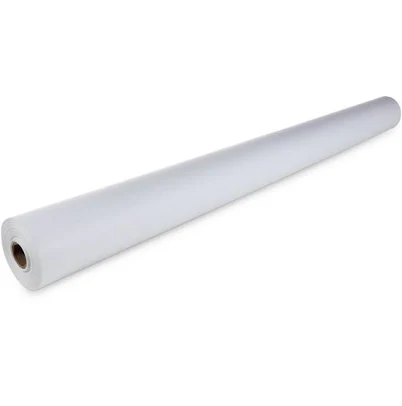
IDL Packaging
White Butcher Paper 18" x 12000" Natural Butcher Paper Roll for Meat and Fish
- unbleached natural kraft paper
- The brand calls it PFAS-free, which we have not verified
- Mold or microbial growth
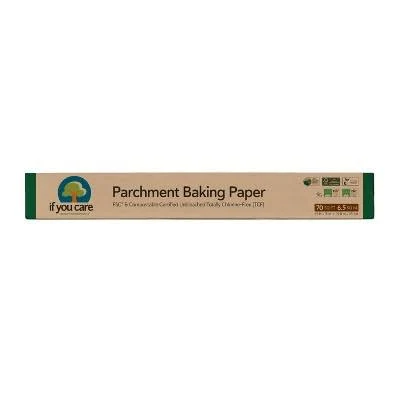
- unbleached parchment paper, silicone coating
- The brand calls it PFAS-free, which we have not verified
- Silicone coating degradation under heat stress
2 hazards checked on this product, all on its full breakdown.
- Silicone-coated parchment paper
- The brand calls it PFAS-free, which we have not verified
- Silicone coating degradation at high heat
More grease-resistant butcher & deli paper grades
How we score, every product runs through the same public 0-100 rubric based on materials, coatings, brand disclosure, lab findings, and recalls. See the full methodology → Spotted a mistake? Report an error.