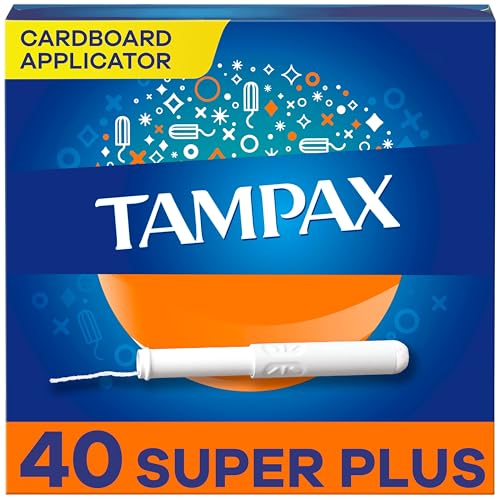
Tampax Cardboard Applicator Unscented
Lower-concern product; cardboard and cotton pose minimal PFAS risk.
Tampax cardboard applicators are made from standard cardboard and cotton, inherently lower-concern materials. Tampax has not disclosed PFAS testing but has not marketed PFAS-free status either.
We flunk more products than we pass. This one earned its grade. How we grade
Material
cardboard applicator, cotton-based absorbent core
Lab data
No public lab test
You may also be interested in
Top-graded picks in the categories readers replace first, every one scored on the same rubric.

- polypropylene filter housing, carbon/sediment cartridge
- We found no PFAS statement from the brand
- Bacterial growth in spent cartridges
3 hazards checked on this product, all on its full breakdown.

Aquasure
Premier Series 75 GPD Under Sink Reverse Osmosis Water Filtration System
- RO membrane, carbon filters, stainless steel housing
- We found no PFAS statement from the brand
- Bacterial and microbial growth in housing and filters
4 hazards checked on this product, all on its full breakdown.

Avocado
Vegan Mattress
- organic cotton, natural latex, coconut coir, recycled steel coils
- The brand calls it PFAS-free, which we have not verified
- Heavy metals
2 hazards checked on this product, all on its full breakdown.
What Tampax Cardboard Applicator Unscented is made of, ingredients and materials
Tampax Cardboard Applicator uses a cardboard tube (typically bleached wood pulp) paired with a cotton-based absorbent core. Cardboard is inert when dry and does not leach chemicals under normal vaginal conditions. The cotton core is the functional absorber; quality of cotton sourcing and pesticide residue management during cultivation and processing affects potential contaminant load, though regulatory limits apply to finished tampons sold in the US and EU.
What’s concerning
Category baseline
The starting point for this type of product, before anything specific to this product is counted.
No PFAS disclosure
No public statement from the brand about PFAS in this product.
Pesticide residue
Cotton used in absorbent cores may retain pesticide residues from cultivation. Tampax does not disclose testing for residue limits or pesticide sources; regulatory standards (US FDA, EU) do exist but are not independently verified by third-party testing on this specific product line.
Source, EPA ↗Bleach by-products in cardboard and cotton
Both cardboard and cotton are typically bleached during processing. Residual dioxins or other bleaching by-products are regulated and generally low in finished products, but Tampax does not publicly disclose bleaching method (elemental chlorine-free, oxygen, etc.) or post-bleach testing for this product.
Bacterial contamination if stored improperly
Cardboard applicators and cotton are hygroscopic and can absorb moisture, creating risk for bacterial or mold growth if stored in damp bathrooms or opened packaging. This is a use and storage hazard rather than a manufacturing one; no recalls for microbial contamination on record for this product line.
What’s reassuring
Base material not linked to PFAS
The main material recorded for this product is not one associated with PFAS.
Formaldehyde / VOCs
Cardboard may be treated with formaldehyde-based sizing agents during manufacture. No public test data or recalls indicate off-gassing or leaching in Tampax cardboard applicators; contact with mucous tissue is brief and absorption is unlikely, but this hazard class is not addressed in available product documentation.
Source, ATSDR ↗Synthetic dyes or pigments in applicator surface
Cardboard tubes are typically undyed or use food-grade dyes. Tampax cardboard applicators do not appear to carry colored coatings or pigments based on product description and standard manufacturing, so heavy metal contamination from dyes is not a documented concern for this variant.
How is this PFAS grade calculated?
The brand's record and disclosure
Tampax (Edgewell/Energizer Holdings) does not publicly disclose detailed material sourcing, pesticide residue testing, or bleaching methods for this product line on widely available consumer channels. The brand has not issued recalls specific to chemical contamination of cardboard applicator tampons. Industry-wide, tampon makers face limited legal disclosure requirements in the US compared to other consumer products, creating a gap in public safety information.
How it compares in its category
Cardboard applicators are considered lower risk than plastic applicators (which may leach additives) because cardboard does not contain phthalates, BPA, or other polymeric additives under normal use. However, some competitors offer certified organic cotton, which may reduce pesticide residue risk if that is a concern. Unscented formulations avoid fragrance allergens that scented variants may introduce, positioning this product in the lower-chemical-additive segment.
If you buy it
Store in a dry environment; cardboard absorbs moisture and can degrade or harbor mold in damp conditions. Use at room temperature; applicators do not face heat stress during typical use. Replace if cardboard shows visible softening, discoloration, or odor before insertion. No special maintenance is required; applicators are single-use and disposable.
What is not known about PFAS in this product?
- Basis
- Model estimate, 72% confidence, not a lab result
- Lab test
- None on record for this exact product
- Brand statement
- Tampax has made a specific claim
Formulations change between production runs, so check the current label. How we grade.
What are the PFAS-free alternatives to Tampax Cardboard Applicator Unscented?
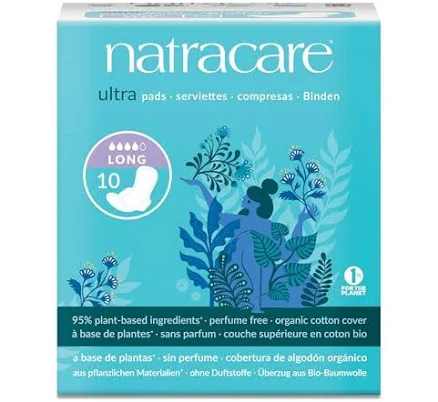
- A third party reports verifying it as PFAS-free
- Fragrance allergens (if scented variant)
2 hazards checked on this product, all on its full breakdown.
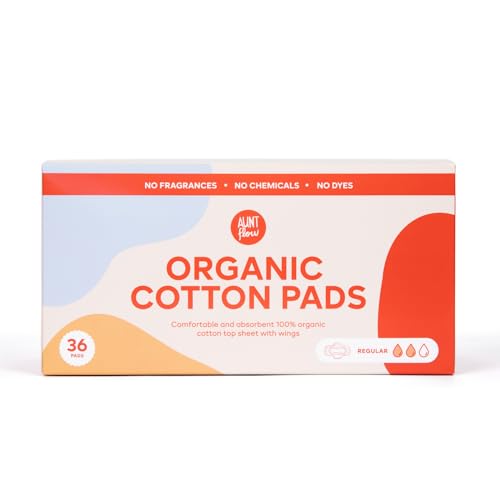
- organic cotton with natural fibers
- The brand calls it PFAS-free, which we have not verified
- Microplastics
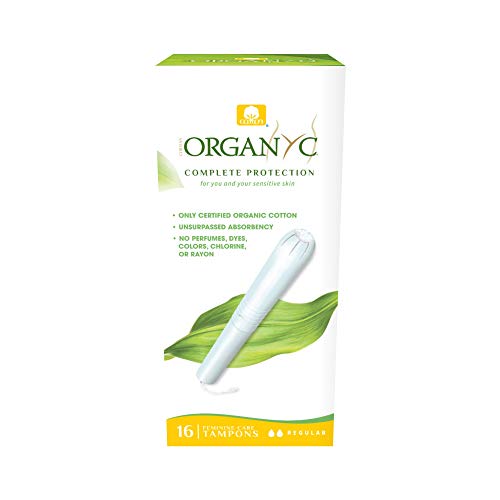
Organyc
100% Certified Organic Cotton Tampons Cardboard Applicator
- 100% organic cotton with cardboard applicator
- We found no PFAS statement from the brand
- Cardboard applicator structural integrity over time
More period care grades
 100Seventh Generation Maxi Pads - Overnight
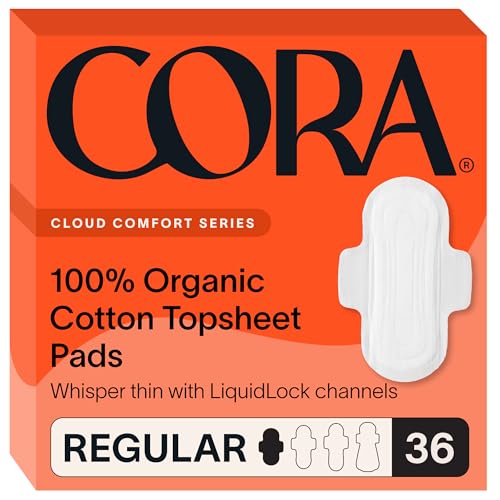 70Cora Organic Cotton Pads
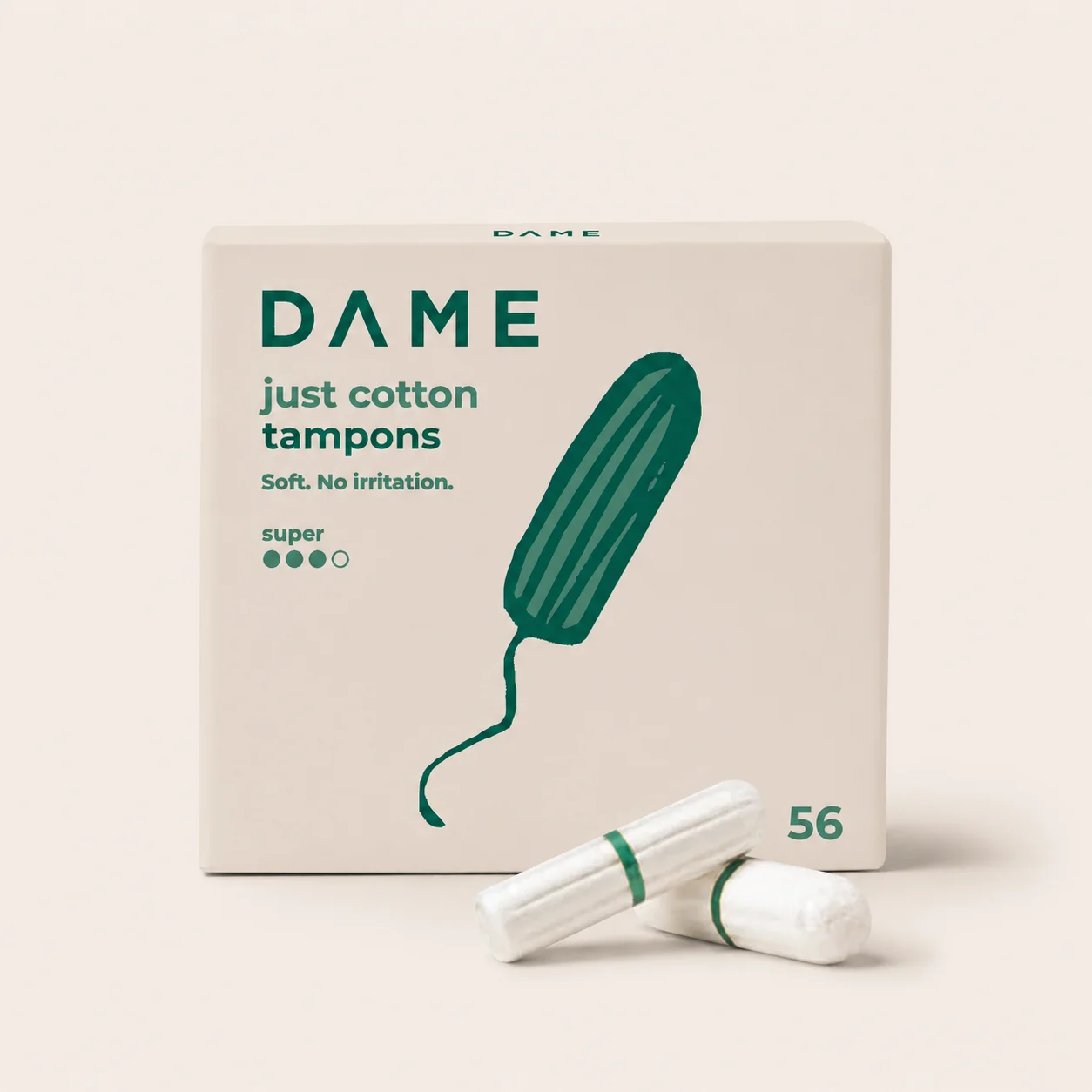 70Dame Organic Cotton Tampons
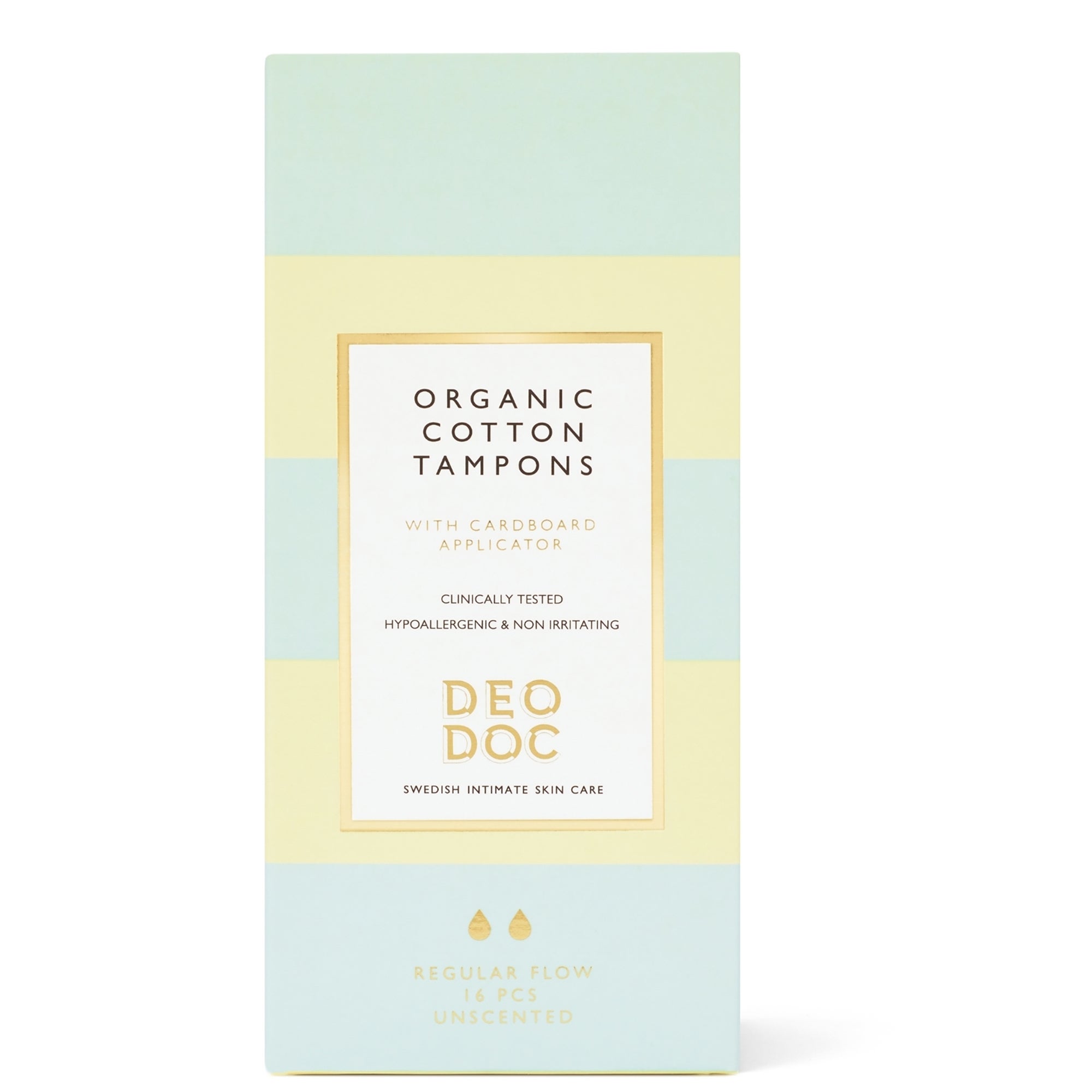 70DeoDoc Cotton Tampons
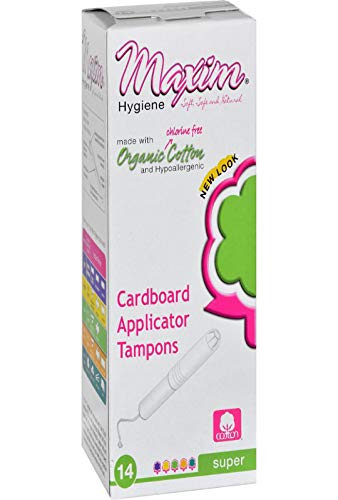 70Maxim Hygiene Organic Cotton Cardboard Applicator Tampons
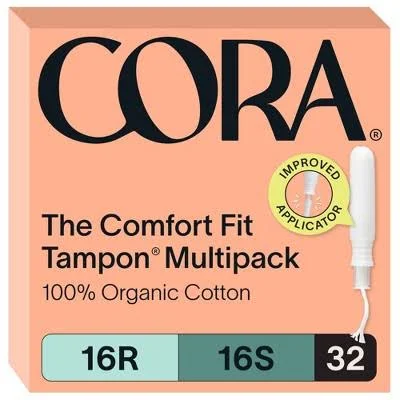 70Cora Organic Tampons
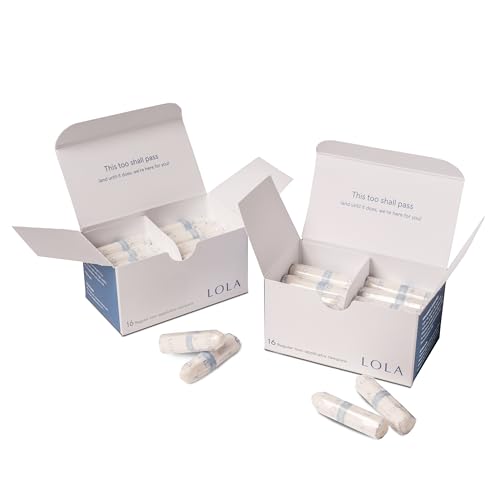 70Lola 100% Organic Cotton Tampons Applicator Free
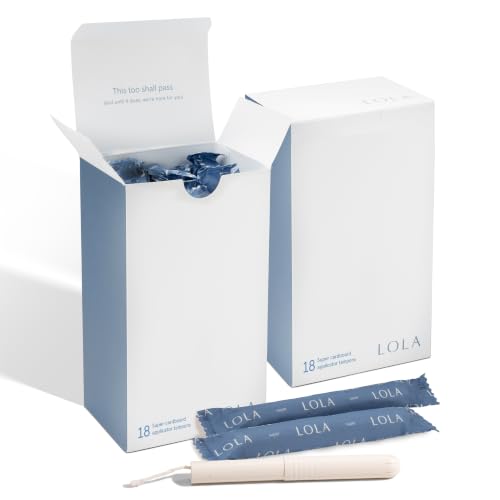 70Lola 100% Organic Cotton Tampons Cardboard Applicator
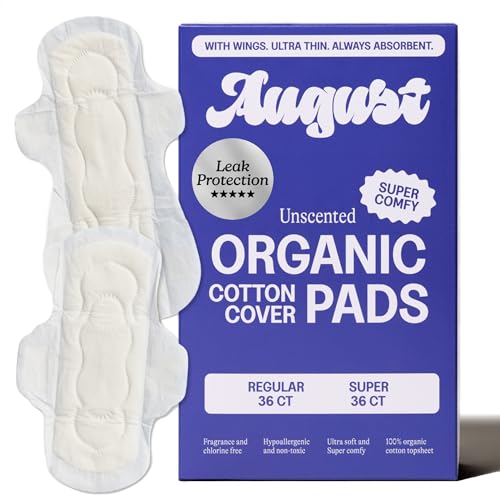 70August Organic Cotton Top Layer Pads, 36-Pack Regular
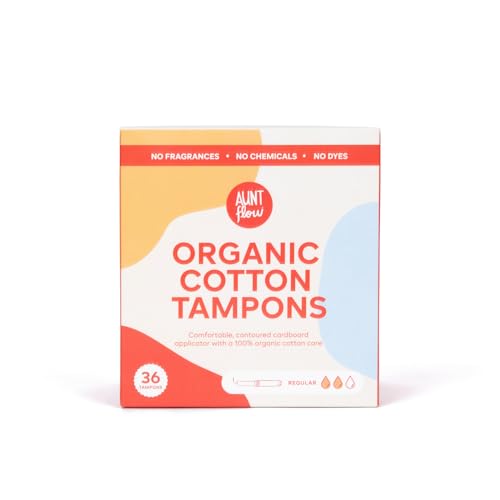 70Aunt Flow Organic Cotton Cardboard Applicator TamponsCompare vs Natracare →All period care →
How we score, every product runs through the same public 0-100 rubric based on materials, coatings, brand disclosure, lab findings, and recalls. See the full methodology → Spotted a mistake? Report an error.