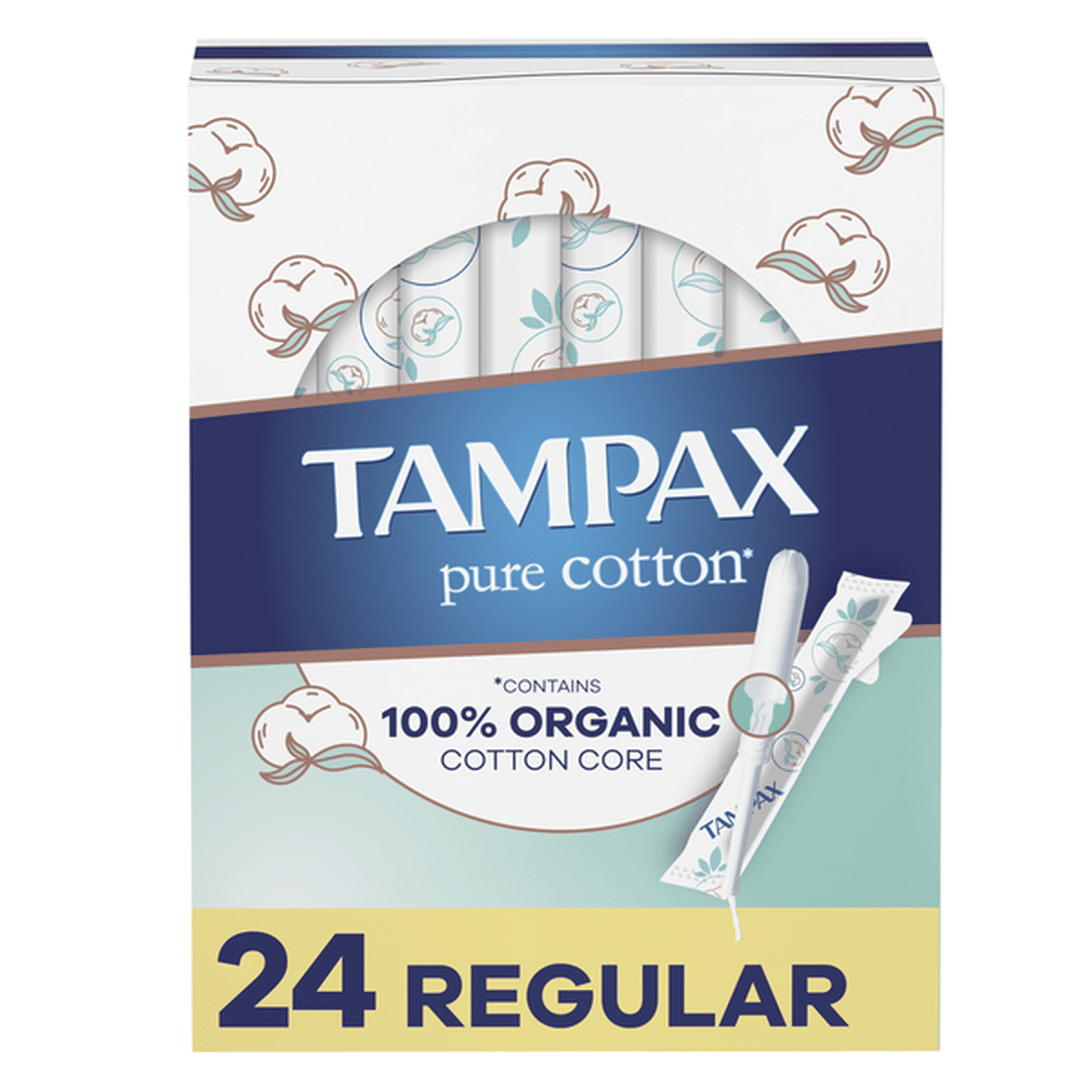
Tampax Pure Cotton
Lower concern; bare cotton product with no known coatings or PFAS risk.
Tampax Pure Cotton uses organic cotton and cardboard with no reported chemical coatings. No public PFAS claims or third-party testing available, but the bare materials carry lower concern.
We flunk more products than we pass. This one earned its grade. How we grade
Material
cotton, rayon, cardboard applicator
Lab data
No public lab test
You may also be interested in
Top-graded picks in the categories readers replace first, every one scored on the same rubric.

- polypropylene filter housing, carbon/sediment cartridge
- We found no PFAS statement from the brand
- Bacterial growth in spent cartridges
3 hazards checked on this product, all on its full breakdown.

Aquasure
Premier Series 75 GPD Under Sink Reverse Osmosis Water Filtration System
- RO membrane, carbon filters, stainless steel housing
- We found no PFAS statement from the brand
- Bacterial and microbial growth in housing and filters
4 hazards checked on this product, all on its full breakdown.

Avocado
Vegan Mattress
- organic cotton, natural latex, coconut coir, recycled steel coils
- The brand calls it PFAS-free, which we have not verified
- Heavy metals
2 hazards checked on this product, all on its full breakdown.
What Tampax Pure Cotton is made of, ingredients and materials
Tampax Pure uses cotton blended with rayon as the absorbent core, and a cardboard applicator instead of plastic. Cotton is a cellulose fiber grown from plants; rayon is cellulose regenerated from wood pulp via chemical processing. Neither material is inherently hazardous in the absorbent form, though rayon production historically uses sodium hydroxide and carbon disulfide. The cardboard applicator avoids plastic-derived leachables and microplastic concerns present in synthetic applicators.
What’s concerning
Category baseline
The starting point for this type of product, before anything specific to this product is counted.
No PFAS disclosure
No public statement from the brand about PFAS in this product.
Rayon processing chemical residues (sodium hydroxide, carbon disulfide)
Rayon production uses harsh chemicals; however, finished rayon fibers are rinsed and do not typically retain residual solvents at harmful levels in consumer products. Tampax has not disclosed testing data on this product, so the possibility remains unverified but not reported as a concern.
Bacterial or mold colonization on damp cardboard
Cardboard applicators are hygroscopic and can absorb moisture if stored in humid environments, potentially creating conditions for microbial growth. This is a storage and use issue, not a manufacturing defect, and is preventable by keeping the product dry.
What’s reassuring
Base material not linked to PFAS
The main material recorded for this product is not one associated with PFAS.
Pesticide residue
Tampax Pure does not claim organic or pesticide-free certification. Conventional cotton may carry residual pesticides from cultivation; no test results or recalls specific to Tampax Pure indicate contamination at unsafe levels.
Source, EPA ↗Formaldehyde / VOCs
No evidence that Tampax Pure applies formaldehyde-releasing resins to the cotton or rayon core. Standard absorbent products do not require these finishes; none is on record for this product.
Source, ATSDR ↗Bleach or dye in cotton/rayon
Absorbent tampons are typically chlorine-bleached or peroxide-bleached during manufacturing. Tampax Pure does not advertise unbleached material. Residual bleach or dye in finished absorbent products has not been associated with adverse effects at the contact levels in this use case.
How is this PFAS grade calculated?
The brand's record and disclosure
Tampax has published ingredient lists and material sourcing on their website, showing willingness to disclose composition. The brand has not faced major recalls or regulatory actions specific to chemical contaminants in recent years. Tampax does not prominently advertise third-party certifications (organic, GOTS, or similar) for this product line, limiting independent verification. No established controversy regarding formaldehyde, pesticide residues, or heavy metals in this specific product exists in public records.
How it compares in its category
Among mass-market tampons, Tampax Pure ranks higher than plastic-applicator products due to absence of phthalate or BPA leaching risk from synthetic materials. Compared to certified organic cotton tampons (which command price premiums), this product does not guarantee pesticide-free cotton or traceable supply chains. The cardboard applicator is less environmentally persistent than plastic but comparable in function to other cardboard-applicator brands like Kotex or store-brand equivalents.
If you buy it
Use tampons only during menstrual flow; prolonged insertion during low-flow days or overnight increases risk of bacterial colonization unrelated to product chemistry. Store in a dry place to prevent mold growth on cardboard or absorbent material; damp storage is the primary risk factor. Replace tampon every 4-8 hours depending on flow. If irritation, odor, or unusual discharge develops, discontinue and consult a healthcare provider; individual sensitivity to rayon or cotton is uncommon but possible.
What is not known about PFAS in this product?
- Basis
- Model estimate, 72% confidence, not a lab result
- Lab test
- None on record for this exact product
- Brand statement
- Tampax has made a specific claim
Formulations change between production runs, so check the current label. How we grade.
What are the PFAS-free alternatives to Tampax Pure Cotton?
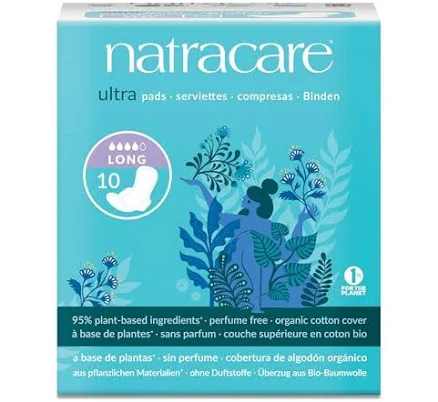
- A third party reports verifying it as PFAS-free
- Fragrance allergens (if scented variant)
2 hazards checked on this product, all on its full breakdown.
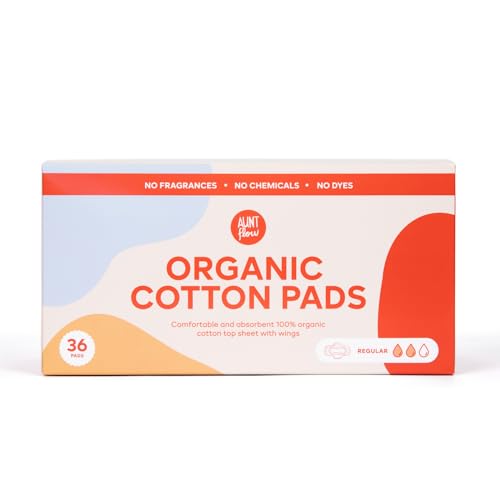
- organic cotton with natural fibers
- The brand calls it PFAS-free, which we have not verified
- Microplastics
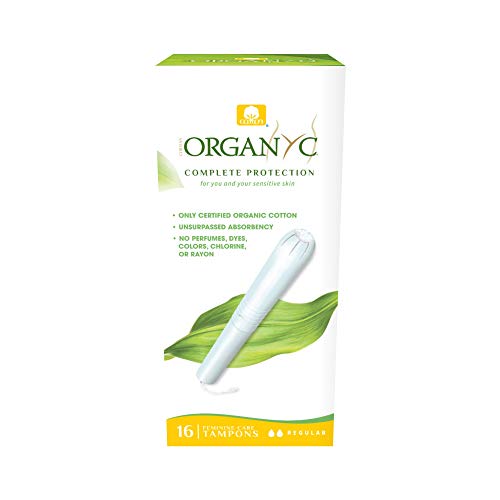
Organyc
100% Certified Organic Cotton Tampons Cardboard Applicator
- 100% organic cotton with cardboard applicator
- We found no PFAS statement from the brand
- Cardboard applicator structural integrity over time
More period care grades
 100Seventh Generation Maxi Pads - Overnight
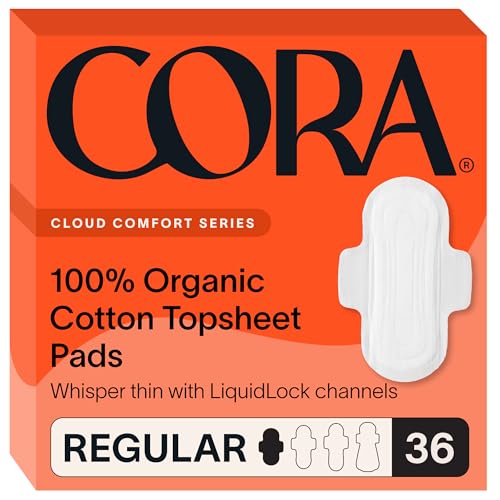 70Cora Organic Cotton Pads
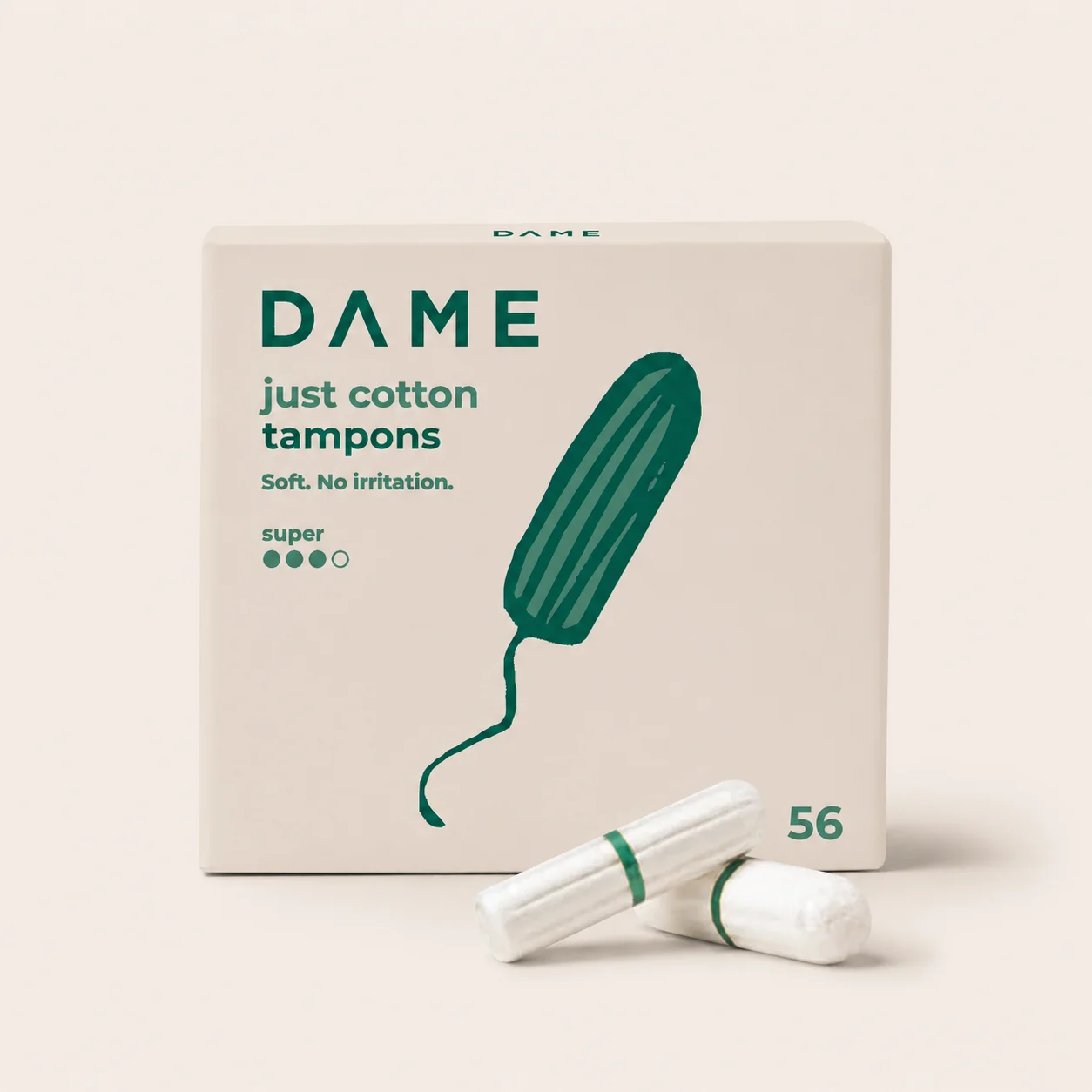 70Dame Organic Cotton Tampons
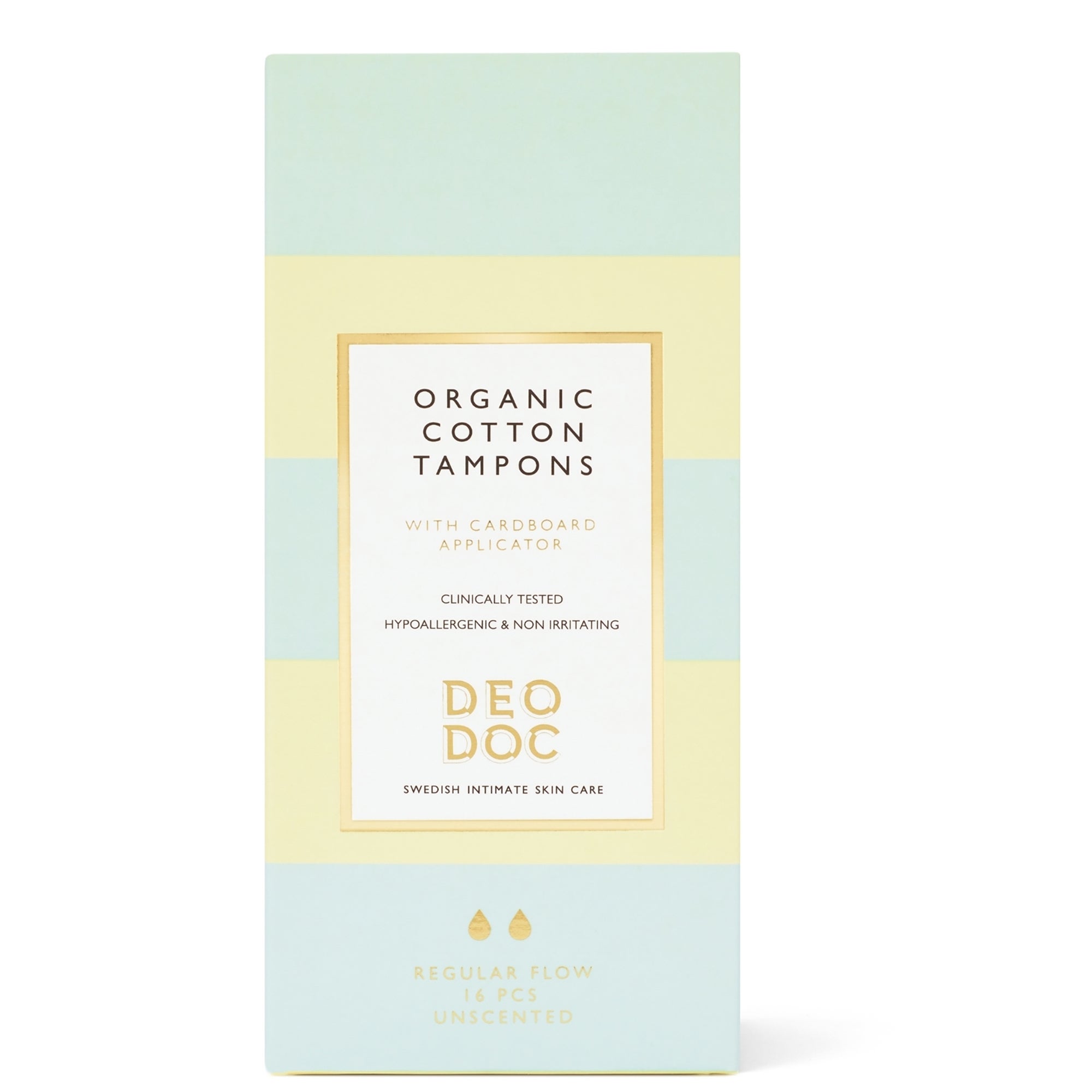 70DeoDoc Cotton Tampons
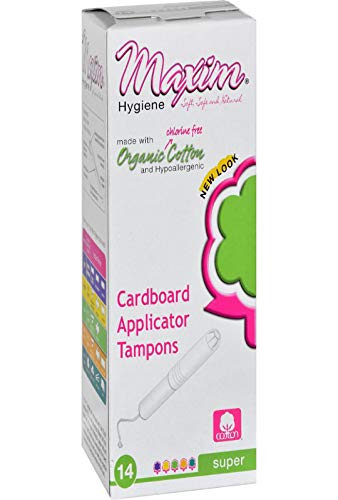 70Maxim Hygiene Organic Cotton Cardboard Applicator Tampons
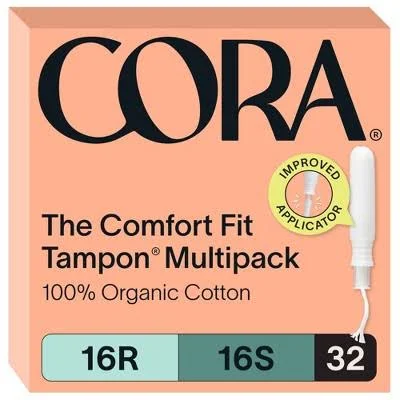 70Cora Organic Tampons
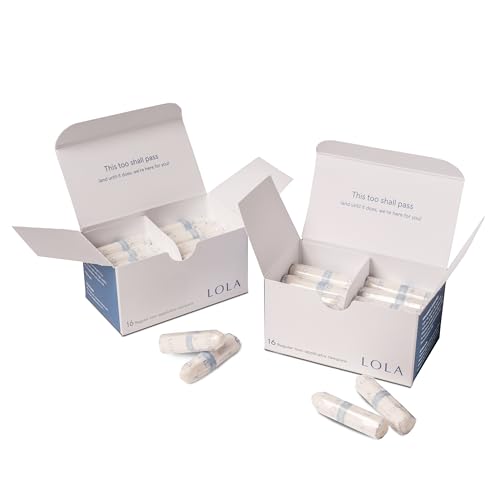 70Lola 100% Organic Cotton Tampons Applicator Free
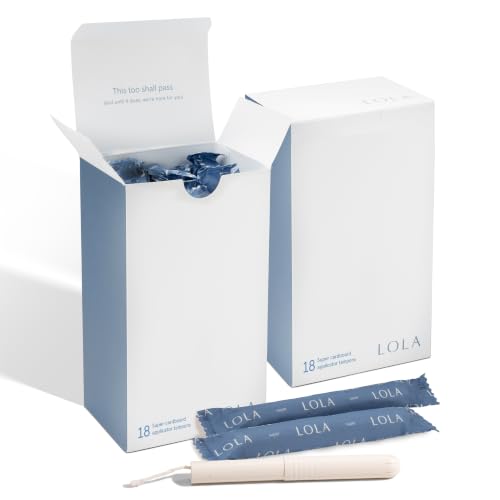 70Lola 100% Organic Cotton Tampons Cardboard Applicator
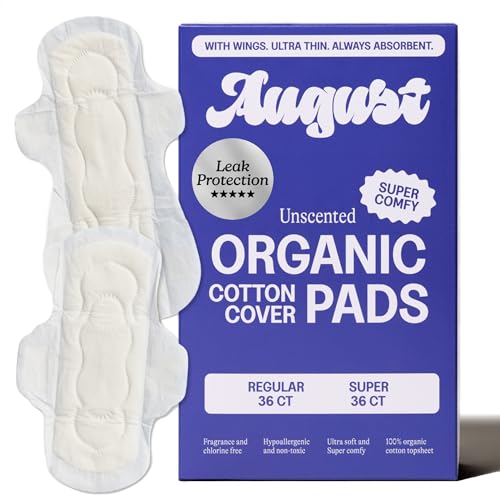 70August Organic Cotton Top Layer Pads, 36-Pack Regular
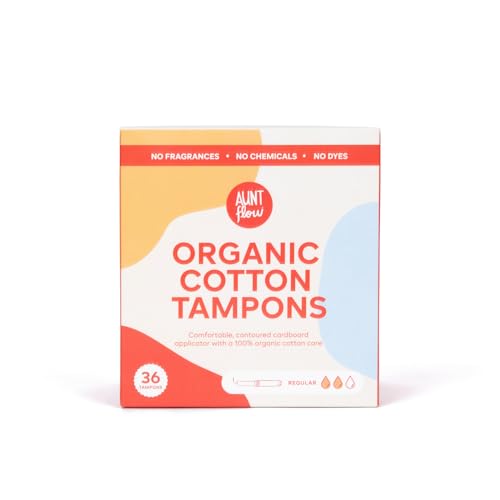 70Aunt Flow Organic Cotton Cardboard Applicator TamponsCompare vs Natracare →All period care →
How we score, every product runs through the same public 0-100 rubric based on materials, coatings, brand disclosure, lab findings, and recalls. See the full methodology → Spotted a mistake? Report an error.