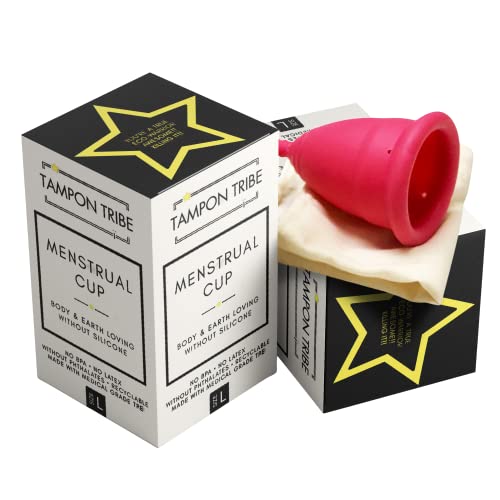
TamponTribe Menstrual Cups
Skip until brand confirms PFAS-free status or provides testing.
Menstrual cups are typically medical-grade silicone, a lower-concern material. TamponTribe makes no public PFAS disclosure; contact them directly for confirmation.
We flunk more products than we pass. This one earned its grade. How we grade
Material
Medical-grade silicone
Brand disclosure
Brand is silent on PFAS
Lab data
No public lab test
You may also be interested in
Top-graded picks in the categories readers replace first, every one scored on the same rubric.

- polypropylene filter housing, carbon/sediment cartridge
- We found no PFAS statement from the brand
- Bacterial growth in spent cartridges
3 hazards checked on this product, all on its full breakdown.

Aquasure
Premier Series 75 GPD Under Sink Reverse Osmosis Water Filtration System
- RO membrane, carbon filters, stainless steel housing
- We found no PFAS statement from the brand
- Bacterial and microbial growth in housing and filters
4 hazards checked on this product, all on its full breakdown.

Avocado
Vegan Mattress
- organic cotton, natural latex, coconut coir, recycled steel coils
- The brand calls it PFAS-free, which we have not verified
- Heavy metals
2 hazards checked on this product, all on its full breakdown.
What TamponTribe Menstrual Cups is made of, ingredients and materials
TamponTribe cups are stated to be medical-grade silicone, a non-porous elastomer with no known plasticizers, BPA, or phthalates added during manufacturing. Medical-grade silicone is chemically inert at body temperature and does not leach endocrine disruptors under normal vaginal use. The concern is not the silicone itself, but whether the brand's supply chain or additives (colorants, vulcanization residues) introduce contaminants, a gap the brand has not publicly addressed.
What’s concerning
Category baseline
The starting point for this type of product, before anything specific to this product is counted.
No PFAS disclosure
No public statement from the brand about PFAS in this product.
Bacterial colonization and biofilm formation
Any reusable silicone menstrual cup can harbor bacteria if not boiled or air-dried fully between uses. TamponTribe's product-specific cleaning instructions are not publicly detailed; improper maintenance increases risk of urinary tract infection or bacterial vaginosis, not toxin leaching.
Silicone degradation and surface breakdown
Medical-grade silicone can degrade over 5-10 years with repeated heat exposure, pH changes, and friction. If the TamponTribe cup develops cracks, sticky residue, or discoloration, degradation may release microscopic silicone particles or trapped residues into tissue.
Allergic reaction or sensitivity to silicone
Silicone allergy is rare but documented; some users report irritation or contact dermatitis. This is not a TamponTribe-specific issue but applies to all silicone menstrual cups. Patch test or start with a lower-cost alternative if you have known silicone sensitivity.
PFAS
The brand's PFAS grade is 70/100 (good but not excellent) and the brand provides no public testing data. PFAS may be present in trace amounts from supply-chain inputs or manufacturing; the brand's silence prevents informed choice.
Source, ATSDR ↗What’s reassuring
Base material not linked to PFAS
The main material recorded for this product is not one associated with PFAS.
Colorant or vulcanization residues
No public record of heavy metals, azo dyes, or toxic residues in TamponTribe cups. Medical-grade silicone typically uses FDA-approved vulcanization systems; however, the brand provides no certificate of analysis or third-party verification to confirm this.
How is this PFAS grade calculated?
The brand's record and disclosure
TamponTribe does not publish PFAS testing, third-party certifications (e.g., FDA 510(k), CE marking), or ingredient transparency statements on available public record. The brand's silence on PFAS and chemical testing is typical of smaller menstrual-product makers, but it creates uncertainty for consumers prioritizing low-PFAS products. No major recalls or contamination incidents are on record for this brand as of available data.
How it compares in its category
Menstrual cups as a category carry lower chemical leaching risk than single-use tampons or pads because silicone does not absorb fluids the way cotton or rayon do, and reusable design eliminates additives like bleach residues or synthetic fragrances. TamponTribe sits in the mid-tier of the menstrual-cup market; established brands like Saalt, Lunette, and DivaCup publish third-party testing; TamponTribe does not, creating a transparency gap rather than a material safety gap.
If you buy it
Boil the cup for 5-10 minutes before first use and monthly thereafter to reduce bacterial biofilm risk. Do not use in an autoclave or dishwasher above 80°C, as high heat can degrade silicone durability over many cycles. Replace the cup every 5 years or if you notice discoloration, odor that does not wash out, or sticky residue, signs of silicone degradation or trapped contaminants. Store dry in a breathable pouch, never in a sealed plastic bag, to prevent mold and odor.
What is not known about PFAS in this product?
- Basis
- Model estimate, 72% confidence, not a lab result
- Lab test
- None on record for this exact product
- Brand statement
- TamponTribe has made none
Formulations change between production runs, so check the current label. How we grade.
What are the PFAS-free alternatives to TamponTribe Menstrual Cups?
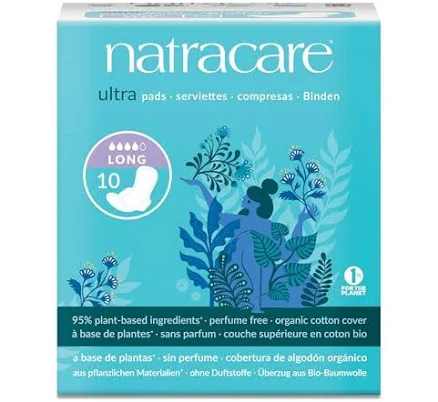
- A third party reports verifying it as PFAS-free
- Fragrance allergens (if scented variant)
2 hazards checked on this product, all on its full breakdown.
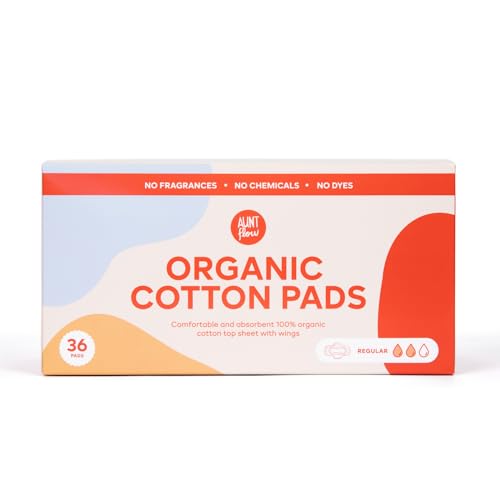
- organic cotton with natural fibers
- The brand calls it PFAS-free, which we have not verified
- Microplastics
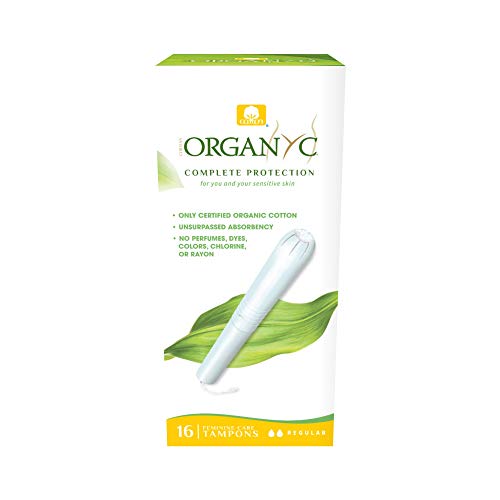
Organyc
100% Certified Organic Cotton Tampons Cardboard Applicator
- 100% organic cotton with cardboard applicator
- We found no PFAS statement from the brand
- Cardboard applicator structural integrity over time
More period care grades
 100Seventh Generation Maxi Pads - Overnight
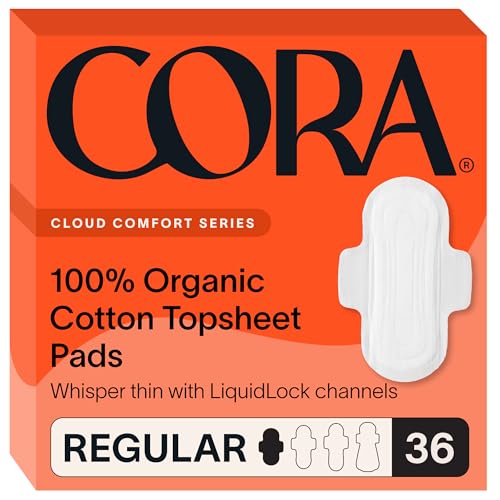 70Cora Organic Cotton Pads
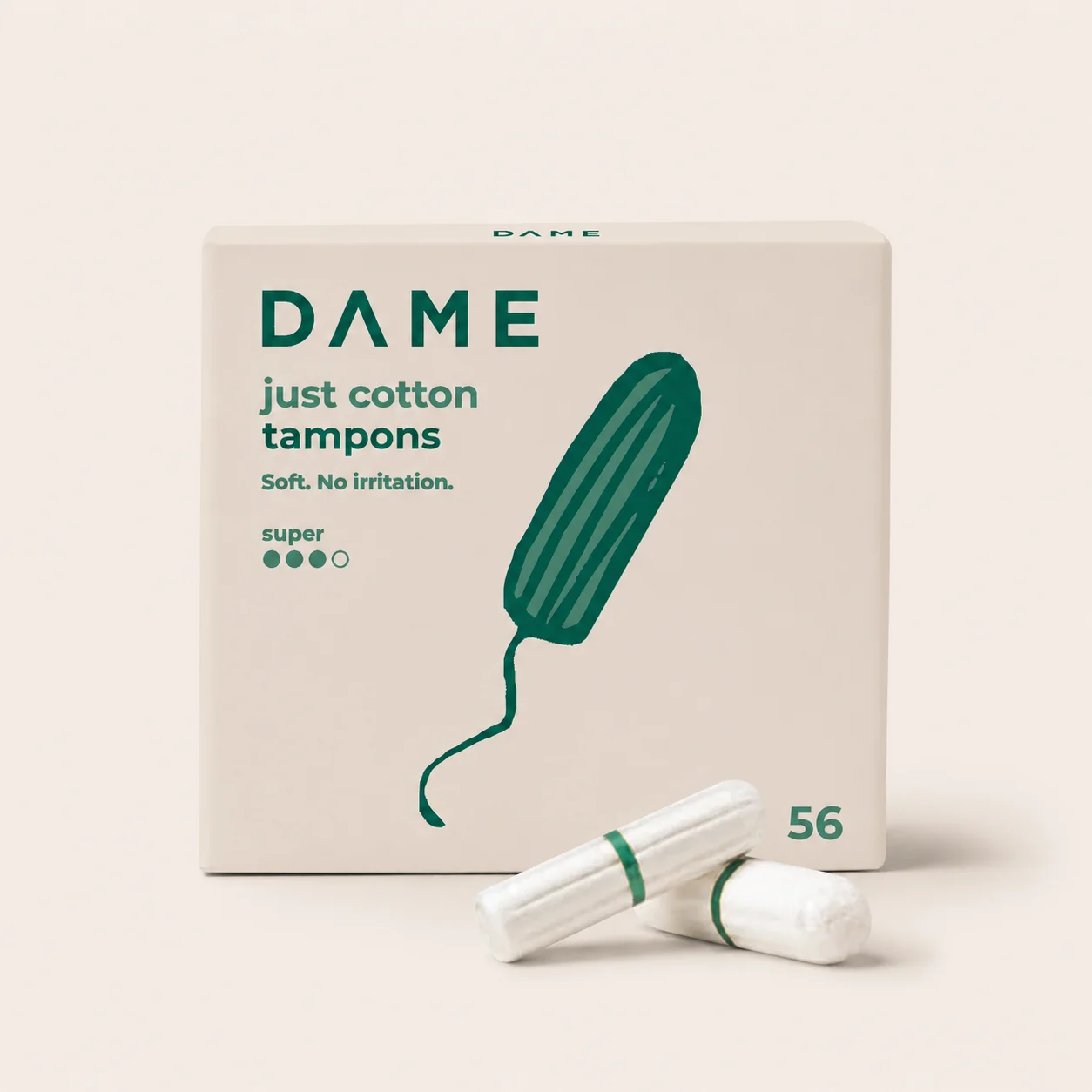 70Dame Organic Cotton Tampons
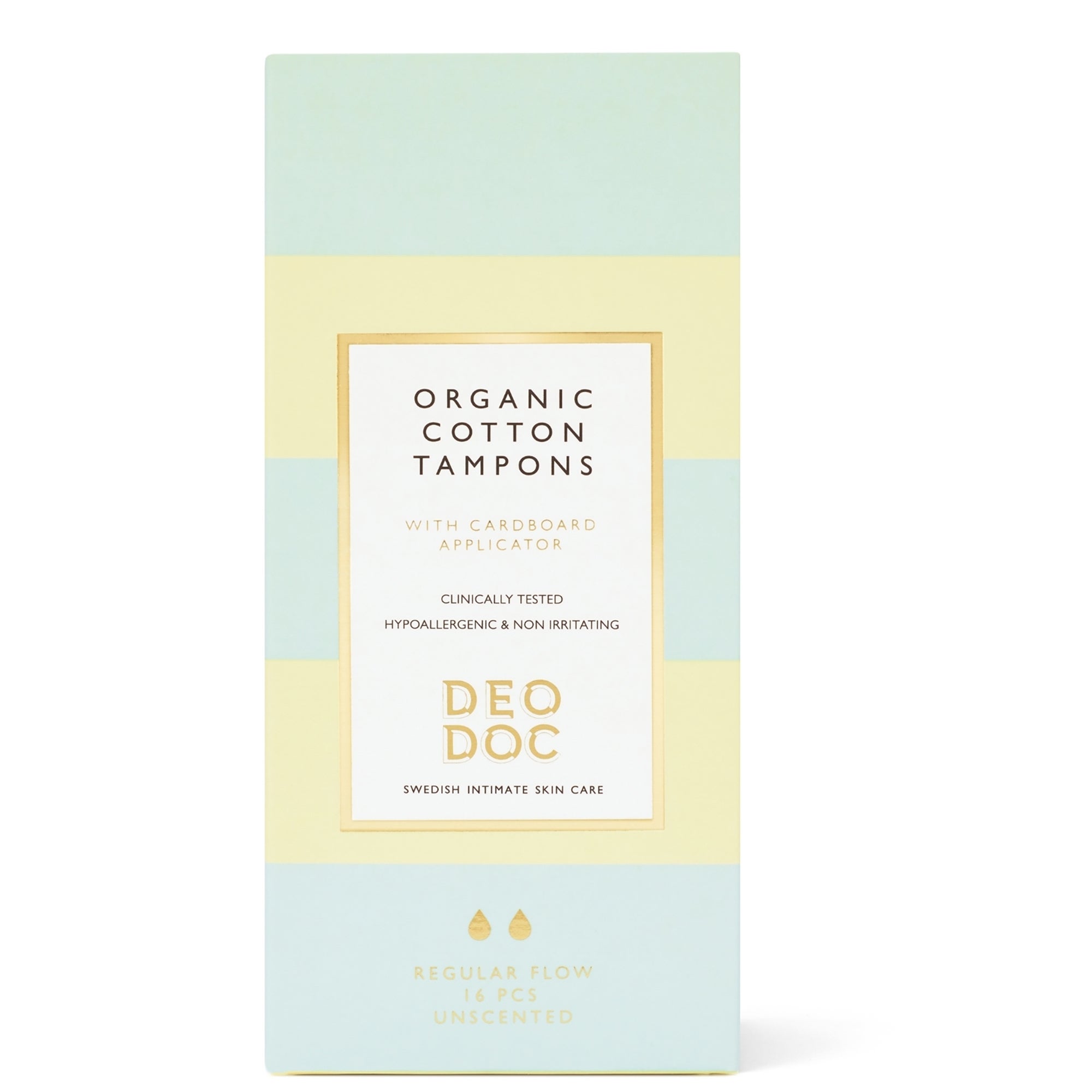 70DeoDoc Cotton Tampons
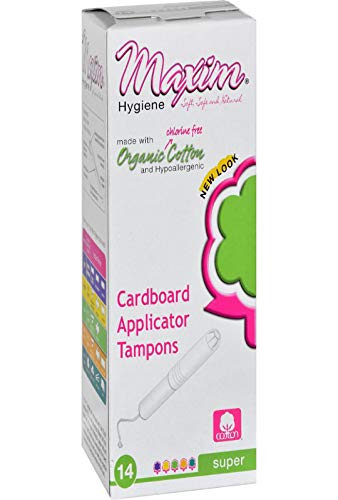 70Maxim Hygiene Organic Cotton Cardboard Applicator Tampons
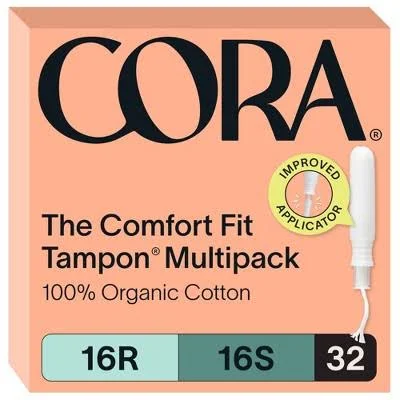 70Cora Organic Tampons
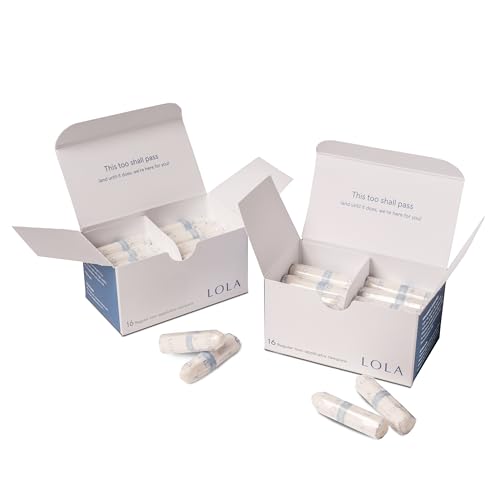 70Lola 100% Organic Cotton Tampons Applicator Free
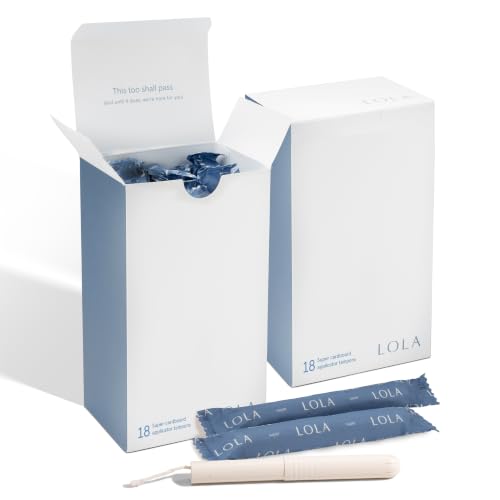 70Lola 100% Organic Cotton Tampons Cardboard Applicator
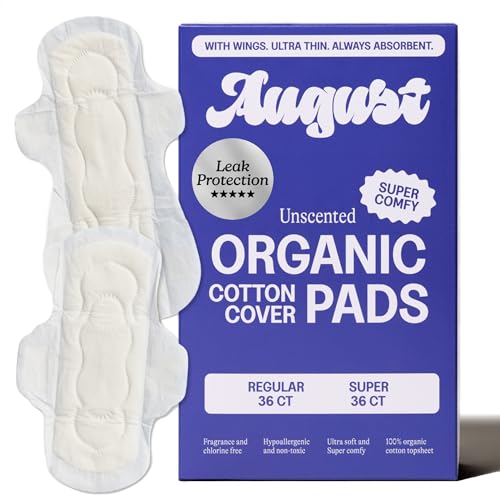 70August Organic Cotton Top Layer Pads, 36-Pack Regular
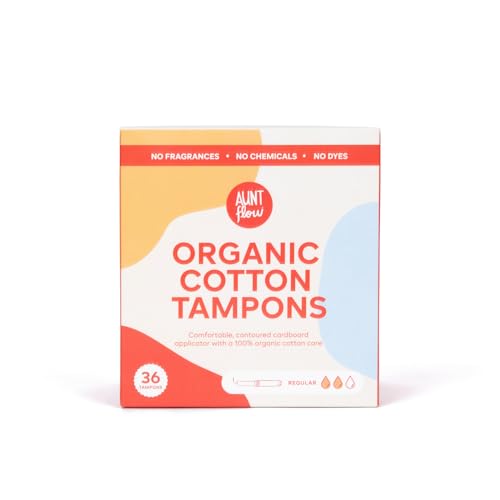 70Aunt Flow Organic Cotton Cardboard Applicator TamponsCompare vs Natracare →All period care →
How we score, every product runs through the same public 0-100 rubric based on materials, coatings, brand disclosure, lab findings, and recalls. See the full methodology → Spotted a mistake? Report an error.