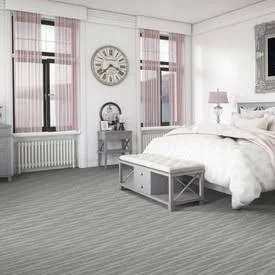
Tarkett Captivation T3303 Residential Carpet
Skip until Tarkett discloses stain treatment chemistry.
Captivation T3303 uses conventional stain and water resistance treatments typical of residential carpet. Tarkett does not disclose PFAS status or treatment chemistry; industry practice raises concern.
The better-graded swap
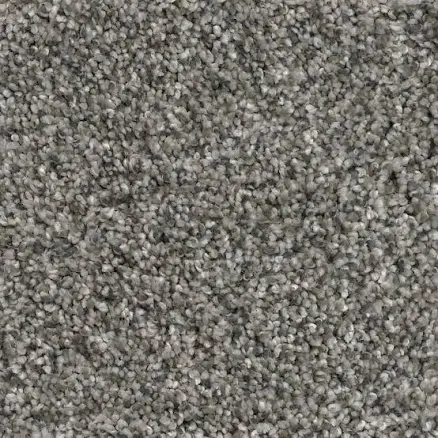
TrafficMaster
TrafficMaster Mesa Boulder Beige Residential 18 x 18 in. Peel and Stick Carpet Tile Square
75/100 safety
Same rubric that flunked this product. The swap earned Excellent.
Still want this one anyway? Check the price on Amazon. We’d swap it.
Material
Nylon/polyester blend with stain/soil treatment
Brand disclosure
Brand is silent on PFAS
Lab data
No public lab test
You may also be interested in
Top-graded picks in the categories readers replace first, every one scored on the same rubric.

- polypropylene filter housing, carbon/sediment cartridge
- We found no PFAS statement from the brand
- Bacterial growth in spent cartridges
3 hazards checked on this product, all on its full breakdown.

Aquasure
Premier Series 75 GPD Under Sink Reverse Osmosis Water Filtration System
- RO membrane, carbon filters, stainless steel housing
- We found no PFAS statement from the brand
- Bacterial and microbial growth in housing and filters
4 hazards checked on this product, all on its full breakdown.

Avocado
Vegan Mattress
- organic cotton, natural latex, coconut coir, recycled steel coils
- The brand calls it PFAS-free, which we have not verified
- Heavy metals
2 hazards checked on this product, all on its full breakdown.
What Tarkett Captivation T3303 Carpet is made of, ingredients and materials
Tarkett Captivation T3303 is a nylon/polyester blend pile carpet with a secondary backing, typically treated with a stain and soil repellent finish. The stain treatment is almost certainly a fluorochemical based on industry standard practice for residential carpets in this price tier, though Tarkett has not publicly disclosed the specific chemistry. Nylon and polyester are both synthetic petroleum-derived fibers; nylon in particular is prone to static buildup and can shed microfibers during use, especially in high-traffic areas.
What’s concerning
Waterproof / stain-resistant treatment
Water-repellent coating treatments have historically used PFAS.
Category baseline
The starting point for this type of product, before anything specific to this product is counted.
No PFAS disclosure
No public statement from the brand about PFAS in this product.
Flame retardants
Residential carpets in the US typically contain flame retardants to meet FTC flammability standards. Tarkett does not disclose which flame retardant (legacy brominated compounds, antimony, or phosphate-based) is used in T3303; brominated retardants have known neurotoxicity concerns and bioaccumulation.
Source, EPA ↗Microfiber shedding and inhalation
Nylon and polyester carpets shed microfibers, especially during installation and early use. Synthetic fibers can be inhaled and retained in lung tissue; risk is highest in homes with poor ventilation or with young children and pets in prolonged contact.
Volatile organic compound (VOC) off-gassing
New synthetic carpet and its backing adhesives off-gas VOCs including formaldehyde, styrene, and acrylics during the first weeks. Tarkett has not published VOC emissions data for this specific product; exposure is temporary but can trigger respiratory or sensory irritation, especially in sealed or poorly ventilated spaces.
Mold and bacterial growth in backing if moisture intrusion occurs
The secondary backing can trap moisture from spills or high humidity. Once colonized by mold or mildew, the carpet becomes difficult to remediate and may require replacement; risk is higher in basements or humid climates without active dehumidification.
PFAS
Tarkett's silence on stain treatment is the primary safety red flag. Industry norms and product positioning strongly suggest a fluorochemical-based topical treatment; these compounds are persistent environmental contaminants and bioaccumulative, with emerging evidence of immune and developmental effects. No public SDS or alternative treatment option is advertised for this product.
Source, ATSDR ↗How is this PFAS grade calculated?
The brand's record and disclosure
Tarkett is a multinational flooring manufacturer but has maintained silence on PFAS use in stain treatments across its residential carpet lines, despite industry pressure and competitor disclosures. The company holds some environmental certifications (FloorScore, Cradle to Cradle for certain products) but these do not address PFAS in topical treatments. Tarkett's lack of transparency on stain chemistry is a significant gap; competitors like Interface and Mohawk have begun disclosing treatment formulations or committed to PFAS phase-out timelines.
How it compares in its category
Most residential nylon and polyester carpets at this market segment (mid-range consumer carpet) use fluorochemical stain treatments; T3303 is typical, not exceptional. Natural fiber alternatives (wool, jute blends) or solution-dyed synthetics offer lower microfiber and PFAS risk, but cost significantly more. Tarkett's product is competitively priced but trades transparency for affordability; this makes it riskier than brands offering PFAS-free treatment options or third-party verification of stain chemistry.
If you buy it
Ensure strong ventilation during installation and for 48-72 hours after, as new synthetic carpet can off-gas volatile organic compounds and aerosolized treatment chemicals. Keep humidity moderate (30-50%) to slow microfiber shedding and mold growth. Vacuum weekly with a HEPA filter to capture shed fibers and dust. Request the product safety data sheet (SDS) from your installer or Tarkett directly to confirm stain treatment identity; if they refuse or cite proprietary formulation, that reinforces the PFAS risk and may justify reconsidering the purchase.
What is not known about PFAS in this product?
- Basis
- Model estimate, 35% confidence, not a lab result
- Lab test
- None on record for this exact product
- Brand statement
- Tarkett has made none
Formulations change between production runs, so check the current label. How we grade.
What are the PFAS-free alternatives to Tarkett Captivation T3303 Residential Carpet?
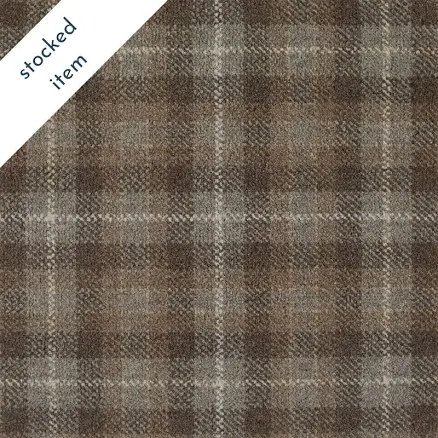
- wool plaid, Axminster weave
- We found no PFAS statement from the brand
- Formaldehyde / VOCs
4 hazards checked on this product, all on its full breakdown.
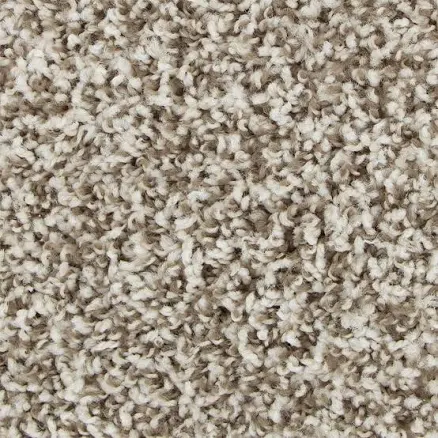
- polyester fiber, untreated
- We found no PFAS statement from the brand
- Formaldehyde / VOCs
4 hazards checked on this product, all on its full breakdown.
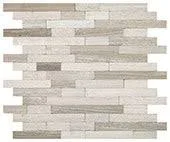
- Ceramic tile, porcelain, or stone composite
- We found no PFAS statement from the brand
- Volatile Organic Compounds (VOCs) from installation adhesives and grout
4 hazards checked on this product, all on its full breakdown.
More carpets & rugs grades
How we score, every product runs through the same public 0-100 rubric based on materials, coatings, brand disclosure, lab findings, and recalls. See the full methodology → Spotted a mistake? Report an error.