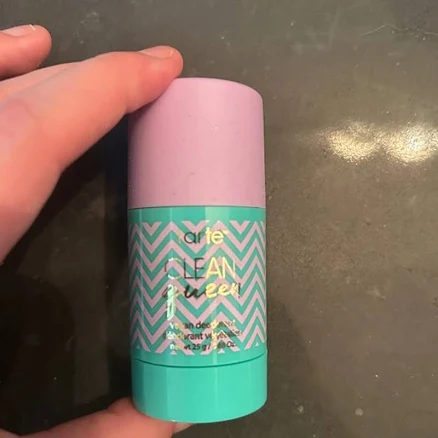
Tarte Deodorant
Lower concern, but Tarte makes no public PFAS commitment.
Tarte's powder deodorant contains no obvious waterproofing or Teflon-family coating additives. The brand hasn't disclosed PFAS information or sought third-party testing.
We flunk more products than we pass. This one earned its grade. How we grade
Material
powder, fragrance, mineral pigments
Lab data
No public lab test
You may also be interested in
Top-graded picks in the categories readers replace first, every one scored on the same rubric.

- polypropylene filter housing, carbon/sediment cartridge
- We found no PFAS statement from the brand
- Bacterial growth in spent cartridges
3 hazards checked on this product, all on its full breakdown.

Aquasure
Premier Series 75 GPD Under Sink Reverse Osmosis Water Filtration System
- RO membrane, carbon filters, stainless steel housing
- We found no PFAS statement from the brand
- Bacterial and microbial growth in housing and filters
4 hazards checked on this product, all on its full breakdown.

Avocado
Vegan Mattress
- organic cotton, natural latex, coconut coir, recycled steel coils
- The brand calls it PFAS-free, which we have not verified
- Heavy metals
2 hazards checked on this product, all on its full breakdown.
What Tarte Deodorant is made of, ingredients and materials
Tarte's deodorant is a powder formulation based on minerals and fragrance, avoiding the aluminum salts (aluminum chlorohydrate or zirconium) found in antiperspirants. Powder deodorants do not require synthetic polymer coatings or Teflon-type coating that create thermal decomposition risks, and mineral pigments (likely mica, iron oxides, or talc-alternatives) are inert when applied to skin. The fragrance component is the primary chemical exposure; Tarte's fragrance composition is not publicly itemized, so specific allergen or synthetic musks cannot be ruled out without testing.
What’s concerning
Category baseline
The starting point for this type of product, before anything specific to this product is counted.
No PFAS disclosure
No public statement from the brand about PFAS in this product.
Fragrance allergens and undisclosed synthetics
Tarte does not itemize fragrance ingredients; typical deodorant fragrances may include synthetic musks or limonene derivatives that trigger contact dermatitis or respiratory sensitivity in a subset of users. Risk is low for general population but higher if you have fragrance sensitivity history.
Microbial contamination (powder storage)
Powder deodorants without preservatives or water-based formulas have lower microbial growth risk than creams, but improper storage (humid conditions, wet applicator) can introduce bacterial or mold growth. Tarte has not disclosed preservative use; check for visible mold or off-odor before continued use.
Skin irritation from fragrance or mineral particles
Some users report mild irritation or rash from clean beauty deodorants due to high fragrance concentration or sensitivity to mineral bases. Tarte's product carries no specific contraindication, but individual reaction cannot be predicted; discontinue if redness, itching, or burning occurs.
What’s reassuring
Base material not linked to PFAS
The main material recorded for this product is not one associated with PFAS.
Talc vs. alternative mineral bases
Tarte has not publicly stated whether talc or a talc-free mineral (e.g., arrowroot, zinc oxide) is the powder base. Historical talc health concerns relate primarily to cosmetic talc contaminated with asbestos; modern talc sourcing has improved regulation, but product-specific sourcing is not disclosed. Inhalation risk at deodorant application is very low compared to baby powder.
Heavy metals
Iron oxides and mica used in cosmetics are regulated for heavy metal impurities, but Tarte does not publish third-party testing for lead, cadmium, or arsenic in this specific product. Risk is low if sourcing meets FDA cosmetic standards, but brand transparency on mineral provenance is absent.
Source, FDA ↗How is this PFAS grade calculated?
The brand's record and disclosure
Tarte markets itself as clean beauty and has made transparency commitments on certain banned ingredients, but does not publish a detailed PFAS avoidance policy or third-party certifications (e.g., Clean Beauty Collaborative CPTPP). The brand has no known major safety recalls or regulatory violations in the deodorant category. Ingredient disclosure is limited to marketing language; full fragrance INCIs and mineral sourcing are not detailed publicly.
How it compares in its category
Powder deodorants carry inherently lower chemical complexity than aerosol antiperspirants or stick formulas with emulsifiers and preservatives. Tarte's positioning sits mid-market in clean beauty, comparable to brands like Myro or Corpus in avoiding aluminum salts. Most alternatives in this segment still use fragrance blends of undisclosed composition, so Tarte is not uniquely transparent but also not an outlier in safety profile.
If you buy it
Powder deodorants are dry-application only; avoid moisture or humidity in storage to prevent caking or mold. If talc is the base mineral, inhalation risk during application is minimal at skin-contact use (not baby powder application). Replace if fragrance scent fades significantly or product becomes hard-packed, typically every 3-4 months depending on use frequency. Patch-test fragrance on inner arm first, especially if you have sensitive skin or known fragrance sensitivities.
What is not known about PFAS in this product?
- Basis
- Model estimate, 72% confidence, not a lab result
- Lab test
- None on record for this exact product
- Brand statement
- Tarte has made a specific claim
Formulations change between production runs, so check the current label. How we grade.
What are the PFAS-free alternatives to Tarte Deodorant?
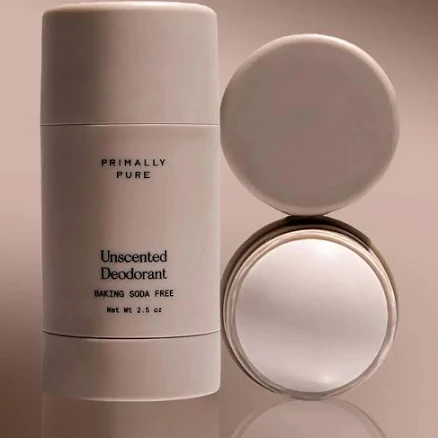
- mineral-based powder blend (arrowroot, magnesium hydroxide, mica)
- We found no PFAS statement from the brand
- Skin irritation from magnesium hydroxide alkalinity
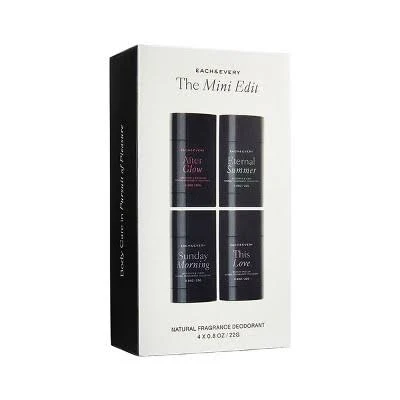
- cosmetic formulations, primary ingredients listed
- A third party reports verifying it as PFAS-free
- Fragrance allergens (natural essential oils)
2 hazards checked on this product, all on its full breakdown.
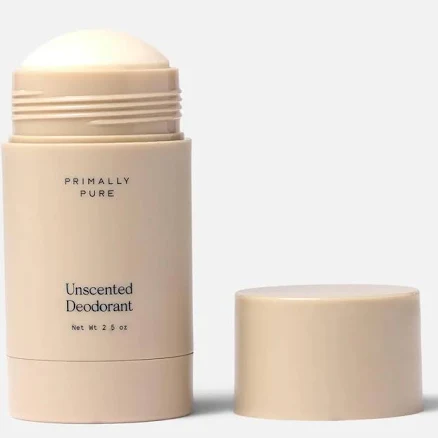
- natural mineral powders, plant-based actives, beeswax
- We found no PFAS statement from the brand
- Beeswax purity and contamination
2 hazards checked on this product, all on its full breakdown.
More deodorant grades
How we score, every product runs through the same public 0-100 rubric based on materials, coatings, brand disclosure, lab findings, and recalls. See the full methodology → Spotted a mistake? Report an error.