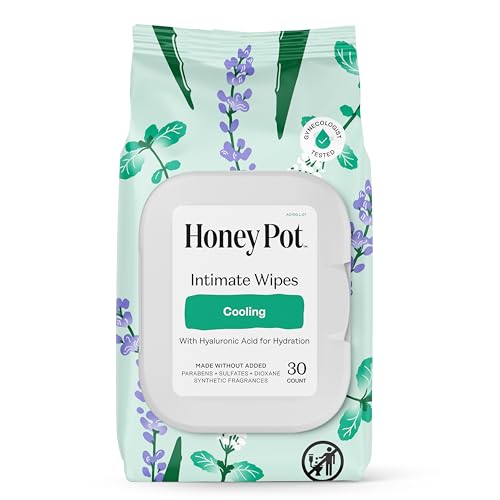
The Honey Pot Company · Period Care
The Honey Pot Company Cooling Herbal Regular Pads for Women
Lower PFAS concern; no coating or treatment risks identified.
The Honey Pot Company makes pads from cotton and herbal botanicals with no disclosed water-repellent or stain-resistant finish. No public lab testing or PFAS claims exist for this product, but bare natural textiles carry lower concern than treated materials.
We flunk more products than we pass. This one earned its grade. How we grade
Material
cotton, plant-based ingredients
Brand disclosure
Brand is silent on PFAS
Lab data
No public lab test
You may also be interested in
Top-graded picks in the categories readers replace first, every one scored on the same rubric.

- polypropylene filter housing, carbon/sediment cartridge
- We found no PFAS statement from the brand
- Bacterial growth in spent cartridges
3 hazards checked on this product, all on its full breakdown.

Aquasure
Premier Series 75 GPD Under Sink Reverse Osmosis Water Filtration System
- RO membrane, carbon filters, stainless steel housing
- We found no PFAS statement from the brand
- Bacterial and microbial growth in housing and filters
4 hazards checked on this product, all on its full breakdown.

Avocado
Vegan Mattress
- organic cotton, natural latex, coconut coir, recycled steel coils
- The brand calls it PFAS-free, which we have not verified
- Heavy metals
2 hazards checked on this product, all on its full breakdown.
What The Honey Pot Company Cooling Herbal Women is made of, ingredients and materials
The Honey Pot Cooling Herbal Regular Pads are constructed from cotton fibers and plant-based ingredients (herbal botanicals), not synthetic polymers or coated materials. Cotton is a natural fiber with minimal chemical interaction during typical use; plant-based actives in period pads are generally low-hazard but vary in efficacy and individual tolerance. The absence of a synthetic backing or moisture-barrier coating means no Teflon-type coating, polyurethane, or polyethylene leachate risks commonly present in fully synthetic pads. Cotton's breathability and direct skin contact require attention to moisture management to prevent bacterial overgrowth, which is a use-related concern, not a material defect.
What’s concerning
Category baseline
The starting point for this type of product, before anything specific to this product is counted.
No PFAS disclosure
No public statement from the brand about PFAS in this product.
Bacterial overgrowth from moisture retention
Cotton's high absorbency and breathability, while beneficial for comfort, create a moist microenvironment. If pads are not changed frequently or are stored in sealed/humid conditions, bacterial proliferation is a routine concern for any natural-fiber period product, not unique to The Honey Pot.
Pesticide residue
The Honey Pot does not claim organic certification. Conventional cotton grown with synthetic pesticides may retain trace residues; direct skin contact during menstruation poses no established acute toxicity but represents a sourcing transparency gap compared to certified organic alternatives.
Source, EPA ↗Contact sensitivity to herbal botanicals
Plant-based actives (cooling herbs, botanicals) can trigger allergic contact dermatitis in sensitive individuals. This is not a contamination risk but an ingredient-specific reaction; prior sensitivity to herbal products or fragrant botanicals warrants patch testing or avoidance.
What’s reassuring
Base material not linked to PFAS
The main material recorded for this product is not one associated with PFAS.
Formaldehyde / VOCs
No evidence on record that The Honey Pot applies formaldehyde-releasing resins or synthetic sizing to its cotton pads. Natural-fiber period products rarely use such treatments, but material sourcing is not independently audited, so residual processing chemicals cannot be fully excluded.
Source, ATSDR ↗Heavy metals
Botanical sourcing and heavy-metal testing for herbal ingredients are not publicly disclosed by The Honey Pot. Herbal infusions can accumulate soil-derived metals (cadmium, lead) if sourcing is not controlled; no recalls or safety incidents are on record for this product line.
Source, FDA ↗How is this PFAS grade calculated?
The brand's record and disclosure
The Honey Pot Company has built marketing around natural and plant-based formulations and has published ingredient transparency on product pages. No recalls, safety violations, or toxicology disputes are on record for this product line as of available public information. The brand does not publicly disclose PFAS testing or certification (e.g., GOTS, Cradle to Cradle), which is common for smaller natural-focused manufacturers but leaves some supply-chain opacity. Reputation among consumers centers on ingredient transparency rather than third-party safety audits.
How it compares in its category
Most conventional period pads contain synthetic polymer layers (polypropylene, polyethylene terephthalate) with moisture-locking backings and sometimes fragrance or antimicrobial treatments. The Honey Pot's cotton-only design eliminates polymer leachate and off-gassing concerns but trades absorbency and shape-retention for breathability and perceived naturalness. Certified organic cotton pads (GOTS) offer comparable material safety with third-party verification; The Honey Pot does not claim organic certification, so pesticide residue from conventional cotton cannot be ruled out at the material-sourcing level. Herbal-infused pads occupy a niche and carry no established hazard premium over standard cotton alternatives.
If you buy it
Change pads every 4-6 hours during use to minimize moisture retention and bacterial growth risk, which is more relevant for cotton than for moisture-locking synthetics. Do not heat, machine wash in hot water repeatedly, or store in sealed plastic for extended periods, as this can degrade cotton fiber integrity and promote microbial growth. Inspect pads before use for visible mold, discoloration, or odor if stored in humid conditions. Discontinue use if irritation or allergic reaction develops; herbal botanicals can trigger contact sensitivity in some individuals, though this is not specific to this brand.
What is not known about PFAS in this product?
- Basis
- Model estimate, 72% confidence, not a lab result
- Lab test
- None on record for this exact product
- Brand statement
- The Honey Pot Company has made none
Formulations change between production runs, so check the current label. How we grade.
What are the PFAS-free alternatives to The Honey Pot Company Cooling Herbal Regular Pads for Women?
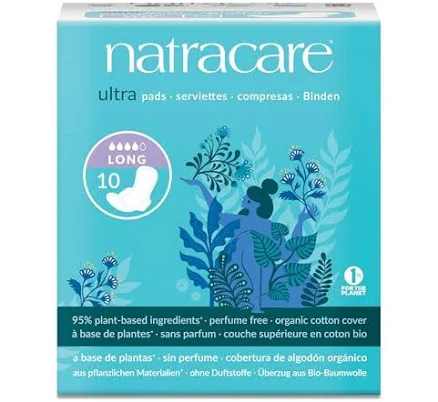
- A third party reports verifying it as PFAS-free
- Fragrance allergens (if scented variant)
2 hazards checked on this product, all on its full breakdown.
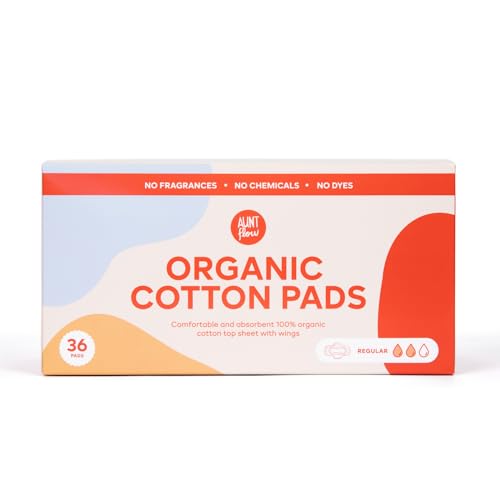
- organic cotton with natural fibers
- The brand calls it PFAS-free, which we have not verified
- Microplastics
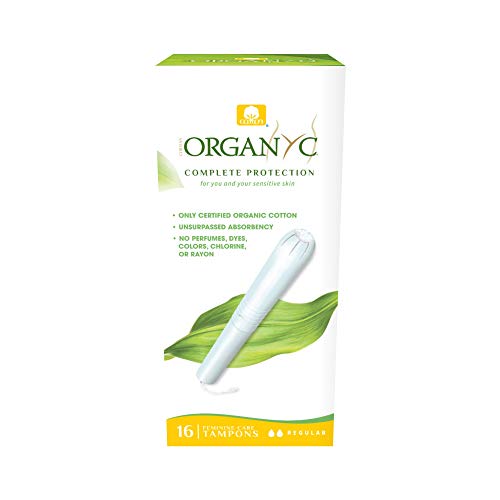
Organyc
100% Certified Organic Cotton Tampons Cardboard Applicator
- 100% organic cotton with cardboard applicator
- We found no PFAS statement from the brand
- Cardboard applicator structural integrity over time
More period care grades
 100Seventh Generation Maxi Pads - Overnight
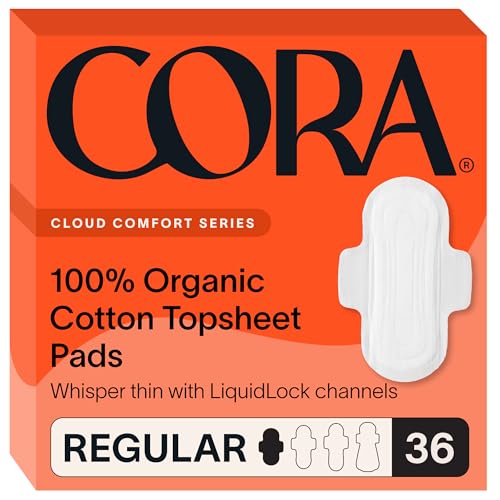 70Cora Organic Cotton Pads
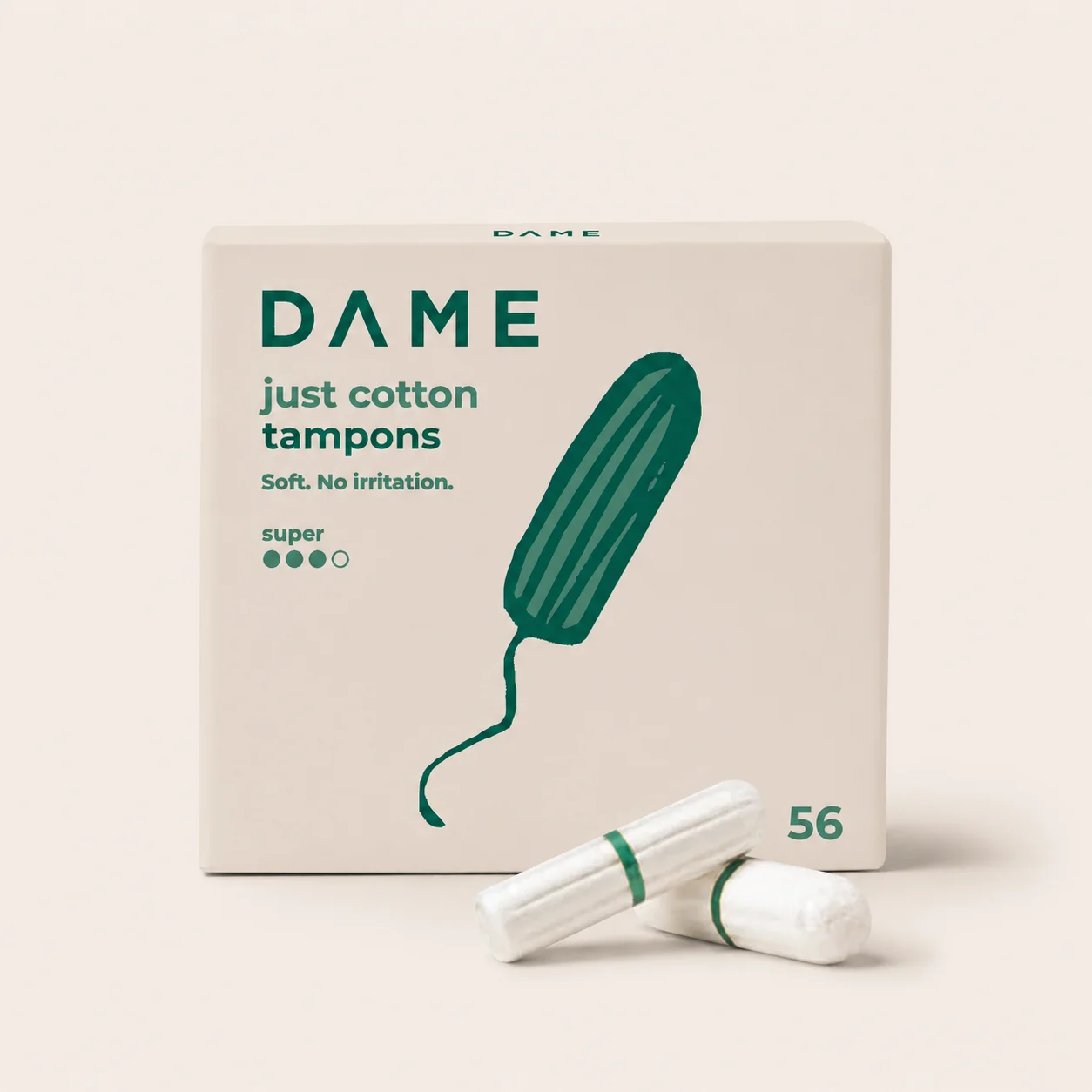 70Dame Organic Cotton Tampons
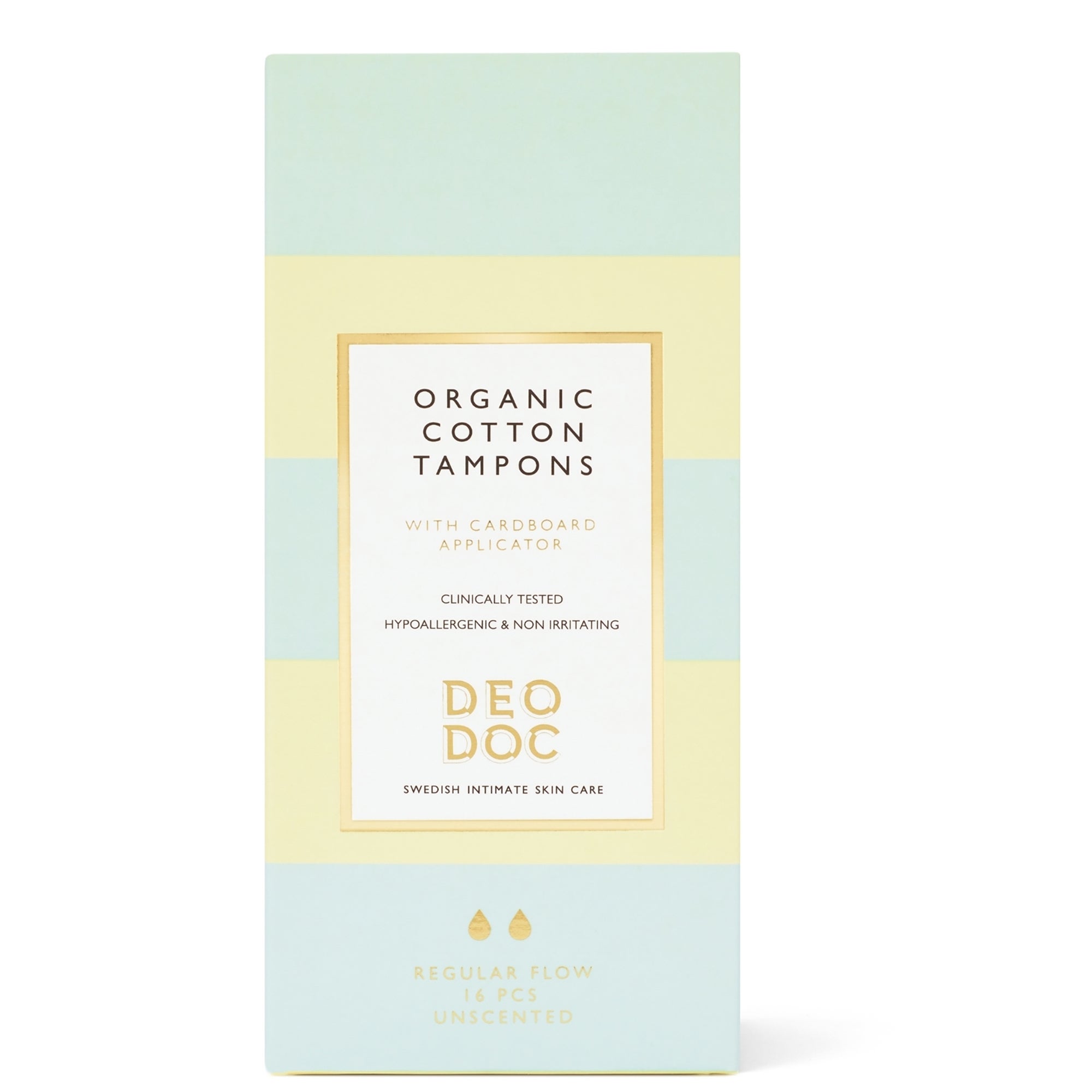 70DeoDoc Cotton Tampons
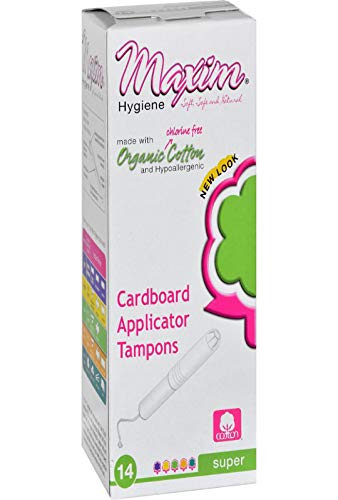 70Maxim Hygiene Organic Cotton Cardboard Applicator Tampons
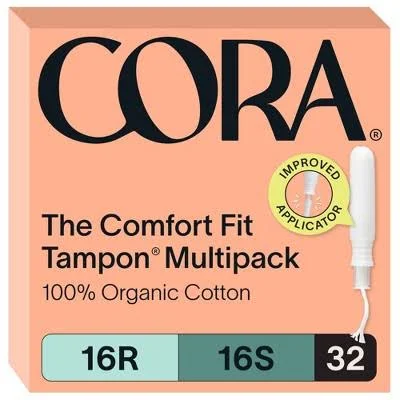 70Cora Organic Tampons
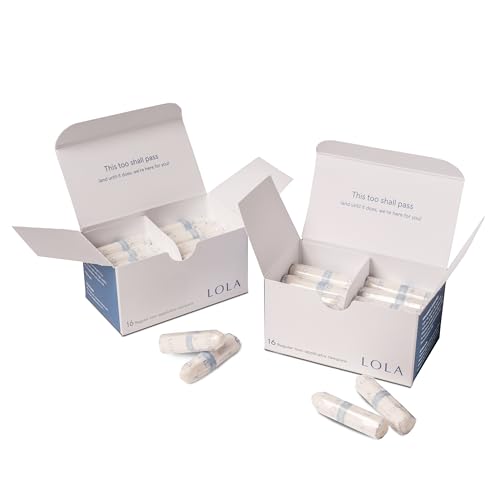 70Lola 100% Organic Cotton Tampons Applicator Free
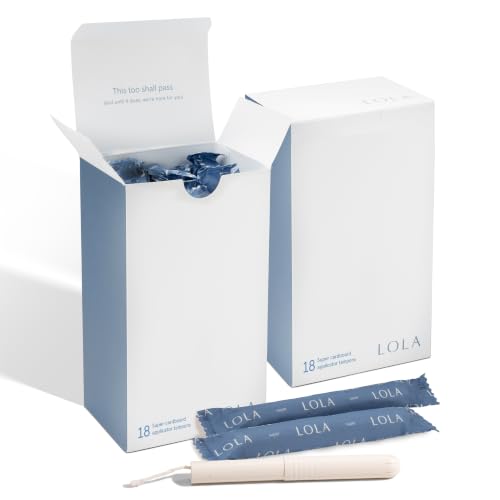 70Lola 100% Organic Cotton Tampons Cardboard Applicator
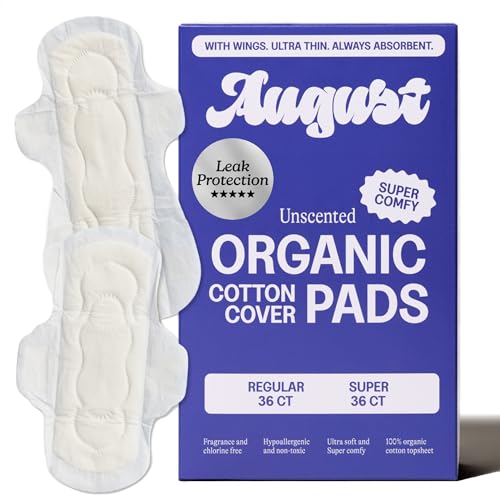 70August Organic Cotton Top Layer Pads, 36-Pack Regular
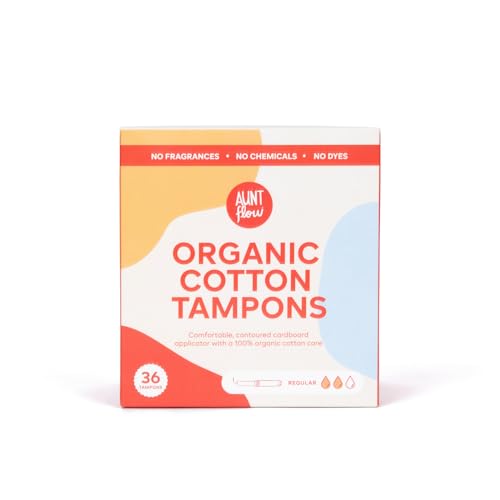 70Aunt Flow Organic Cotton Cardboard Applicator TamponsCompare vs Natracare →All period care →
How we score, every product runs through the same public 0-100 rubric based on materials, coatings, brand disclosure, lab findings, and recalls. See the full methodology → Spotted a mistake? Report an error.