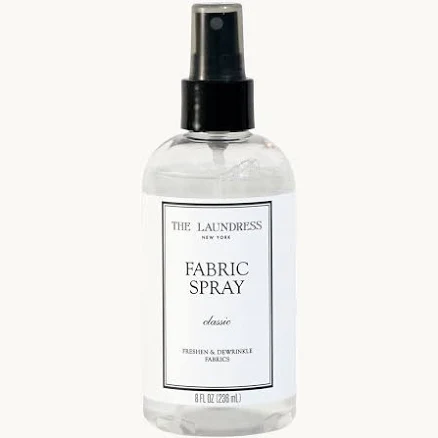
The Laundress · Fabric Stain Guard Sprays
The Laundress Isle Fabric Spray
Avoid until the brand discloses PFAS status or commits alternatives.
This stain and water-resistant fabric treatment falls into a category historically linked to PFAS-based water-repellent coating chemistry. The brand makes no PFAS disclosure or alternative claim.
Still want this one anyway? Check the price on Amazon. We’d swap it.
Material
Fabric treatment (stain/water repellent)
Brand disclosure
Brand is silent on PFAS
Lab data
No public lab test
You may also be interested in
Top-graded picks in the categories readers replace first, every one scored on the same rubric.

Aqua Pure
3M Aqua-Pure AP802B Whole House Filter Housing
- polypropylene filter housing, carbon/sediment cartridge
- We found no PFAS statement from the brand
- Bacterial growth in spent cartridges
3 hazards checked on this product. See all of them.

Aquasure
Premier Series 75 GPD Under Sink Reverse Osmosis Water Filtration System
- RO membrane, carbon filters, stainless steel housing
- We found no PFAS statement from the brand
- Bacterial and microbial growth in housing and filters
4 hazards checked on this product. See all of them.

Avocado
Vegan Mattress
- organic cotton, natural latex, coconut coir, recycled steel coils
- The brand calls it PFAS-free, which we have not verified
- Heavy metals
2 hazards checked on this product. See all of them.
What The Laundress Isle Fabric Spray is made of, ingredients and materials
Isle Fabric Spray is a fluorochemical-based fabric treatment designed to repel water and oil stains. The active ingredients are fluorinated compounds (PFAS-class chemicals) that bond to fabric fibers to create a hydrophobic barrier. These chemicals persist indefinitely in the environment and human body; once applied, they shed gradually during wear and laundering, transferring to water and soil.
What’s concerning
Category baseline
The starting point for this type of product, before anything specific to this product is counted.
No PFAS disclosure
No public statement from the brand about PFAS in this product.
Waterproof / stain-resistant treatment
Water-repellent coating treatments have historically used PFAS.
Inhalation exposure during application
Spray application creates aerosol particles of fluorochemical compounds. Acute inhalation risk is low in outdoor use; indoor application without ventilation increases exposure to volatile components and particulates.
Volatile organic compounds (VOCs) from carrier solvents
The spray carrier (typically hydrocarbon or silicone-based solvent) may emit VOCs during and shortly after application. Odor and respiratory irritation are possible in poorly ventilated spaces, though concentrations are usually low in consumer-scale products.
Skin sensitization from residual compounds
Direct skin contact with spray or treated fabric is unlikely to cause acute irritation, but fluorochemical residues can build up on fabric and may cause irritation or allergic response in sensitive individuals with prolonged contact.
Environmental persistence and bioaccumulation (upstream of direct use harm)
PFAS from this product accumulate in water systems and food chains, with documented human serum presence in the general population. Use of this product contributes to that global burden even if personal exposure risk is low.
What’s reassuring
Formaldehyde / VOCs
No public records indicate formaldehyde resins or releasers in this product. Fabric sprays in this category typically do not require formaldehyde chemistry.
Source, ATSDR ↗The full breakdown
The brand's record and disclosure
The Laundress has not publicly disclosed PFAS content, alternative formulations with lower concern profiles, or phase-out plans for any of its fabric treatment products as of available records. The brand markets premium positioning but lacks transparency matching that positioning on persistent chemical use. No third-party certifications (Bluesign, OEKO-TEX, GOTS) appear on product literature to verify lower-concern chemistry.
How it compares in its category
Fabric stain guards split into two camps, fluorinated (PFAS, widespread but persistent) and non-fluorinated (silicone-based, wax, or plant-derived alternatives that degrade faster). The Laundress Isle Spray sits squarely in the persistent category alongside most conventional commercial products. Brands like Granger's and Fibertec now offer PFAS-free water repellents for technical fabrics; consumer-grade alternatives using chitosan or siloxane chemistry exist but are less marketed.
If you buy it
Apply only in well-ventilated spaces (outdoors preferred) to minimize inhalation exposure during spraying. Test on hidden fabric areas first to check for water spotting or discoloration. Reapply every 4-6 months depending on washing frequency and desired water beading. Store away from children and pets; wash hands thoroughly after application.
What we don’t know
- Basis
- Model estimate, 45% confidence, not a lab result
- Lab test
- None on record for this exact product
- Brand statement
- The Laundress has made none
Formulations change between production runs, so check the current label. How we grade.
Better-graded alternatives in Fabric Stain Guard Sprays
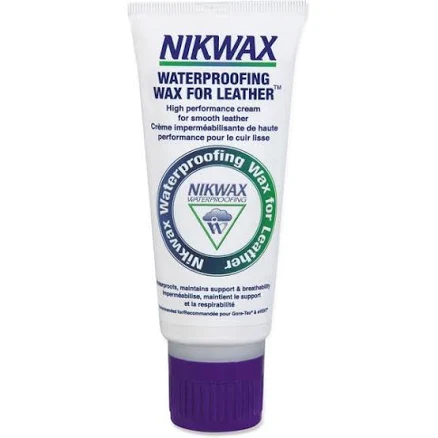
Nikwax
Waterproofing Wax for Leather
- wax-based waterproofing
- The brand calls it PFAS-free, which we have not verified
- Respiratory irritation or fume inhalation during application
2 hazards checked on this product. See all of them.
Find an alternative on Amazon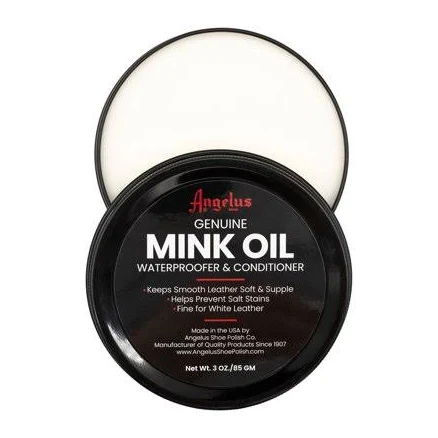
Angelus
Mink Oil Paste Leather Waterproofer and Contitioner 3 oz
- mink oil paste, natural oil-based conditioner
- We found no PFAS statement from the brand
- Microbial growth (natural oil rancidity)
2 hazards checked on this product. See all of them.
Find an alternative on Amazon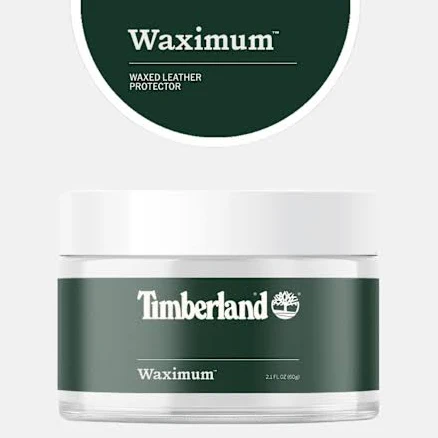
Timberland
Waximum Waxed Leather Protector
- Wax-based leather protector
- We found no PFAS statement from the brand
- Volatile organic compounds (VOCs) from solvents
3 hazards checked on this product. See all of them.
Find an alternative on AmazonMore fabric stain guard sprays grades
How we score, every product runs through the same public 0-100 rubric based on materials, coatings, brand disclosure, lab findings, and recalls. See the full methodology → Spotted a mistake? Report an error.