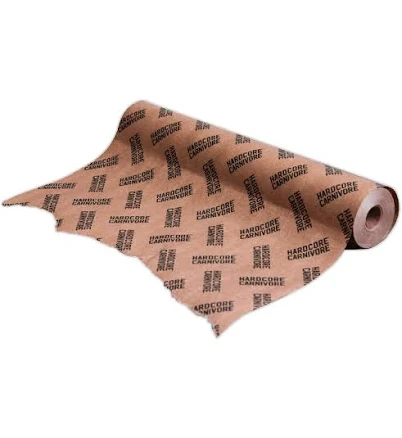
· Deli Meat & Cold Cuts Packaging
Butcher Paper
Likely low PFAS risk. Grease-resistant coating type remains unspecified.
This butcher paper typically uses kraft pulp plus a grease-resistant treatment. The brand makes no public PFAS disclosure, though standard food-contact butcher paper rarely contains legacy PFAS.
The better-graded swap
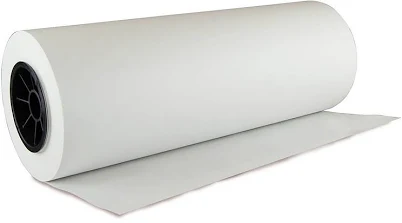
LEM
LEM 15" Freezer Paper Cutter
80/100 safety
Same rubric that flunked this product. The swap earned Excellent.
Still want this one anyway? Check the price on Amazon. We’d swap it.
Material
kraft paper with grease-resistant coating
Brand disclosure
Brand is silent on PFAS
Lab data
No public lab test
You may also be interested in
Top-graded picks in the categories readers replace first, every one scored on the same rubric.

- polypropylene filter housing, carbon/sediment cartridge
- We found no PFAS statement from the brand
- Bacterial growth in spent cartridges
3 hazards checked on this product, all on its full breakdown.

Aquasure
Premier Series 75 GPD Under Sink Reverse Osmosis Water Filtration System
- RO membrane, carbon filters, stainless steel housing
- We found no PFAS statement from the brand
- Bacterial and microbial growth in housing and filters
4 hazards checked on this product, all on its full breakdown.

Avocado
Vegan Mattress
- organic cotton, natural latex, coconut coir, recycled steel coils
- The brand calls it PFAS-free, which we have not verified
- Heavy metals
2 hazards checked on this product, all on its full breakdown.
What Butcher Paper is made of, ingredients and materials
Butcher paper is kraft paper, a mechanically strong material made from wood pulp, with an applied grease-resistant coating. The coating's exact chemistry is not specified by the brand; it could be wax-based, synthetic, or fluorochemical (PFAS-containing). Kraft paper itself is inert and food-safe when unbleached, but the coating determines migration risk of additives into fatty foods like cold cuts.
What’s concerning
Category baseline
The starting point for this type of product, before anything specific to this product is counted.
No PFAS disclosure
No public statement from the brand about PFAS in this product.
Waterproof / stain-resistant treatment
Water-repellent coating treatments have historically used PFAS.
Grease-resistant coating migration (undisclosed chemistry)
Unspecified coating may leach additives into high-fat foods (cold cuts, cheese) over time. Without disclosed chemistry, risk cannot be quantified; wax coatings carry minimal risk, but synthetic or fluorochemical options pose unknown exposure.
Mineral oil or hydrocarbon residues (if wax-based)
If coating uses petroleum-derived wax, trace mineral oil ingestion is possible but typically remains below FDA limits for food contact. No contamination incidents recorded for butcher paper in this category.
Degradation and particulate shedding under heat
Kraft paper coatings can degrade if exposed to microwave heat or hot food; coating flakes or adhesive particles may contaminate product. Direct heat exposure is not recommended by design.
Bacterial or mold growth if stored damp
Kraft paper retains moisture; improper storage (high humidity, condensation) can encourage microbial growth on the paper surface, though this is a storage failure, not a product defect.
What’s reassuring
Ink or printing residues (if printed)
The brand's standard butcher paper appears unprinted or minimally marked. If printed branding is used, food-contact inks must comply with FDA regulations; no recalls or violations documented for this product.
How is this PFAS grade calculated?
The brand's record and disclosure
The brand has not publicly disclosed the composition of its grease-resistant coating, nor published certifications (FDA compliance testing, PFAS testing, or third-party safety audits). No significant safety recalls or controversies for this product are on record. The brand's silence on coating chemistry makes independent verification of non-PFAS claims impossible; this is typical for regional deli suppliers but falls short of transparency standards set by leading food-packaging companies.
How it compares in its category
Butcher paper with unspecified grease-resistant coatings is the norm in retail deli packaging; branded alternatives like Cryopak or Reynolds often disclose wax or silicone coatings but rarely guarantee PFAS-free status in writing. Unwaxed kraft paper or plant-based coatings (e.g., chitosan) exist but are rare in mass-market cold-cuts packaging. Product offers no advantage in transparency or documented safety testing versus typical deli wrap.
If you buy it
Use this paper only for cold storage and wrapping; do not expose to direct heat, microwave, or oven, as coating integrity under heat is unknown. Replace wrapping every 3-5 days if storing fatty cold cuts, as prolonged contact may increase additive migration. Store in cool, dry conditions away from direct sunlight. If you have concerns about PFAS or coating composition, contact directly for disclosure; lack of response suggests low priority on transparency.
What is not known about PFAS in this product?
- Basis
- Model estimate, 45% confidence, not a lab result
- Lab test
- None on record for this exact product
- Brand statement
- has made none
Formulations change between production runs, so check the current label. How we grade.
What are the PFAS-free alternatives to Butcher Paper?
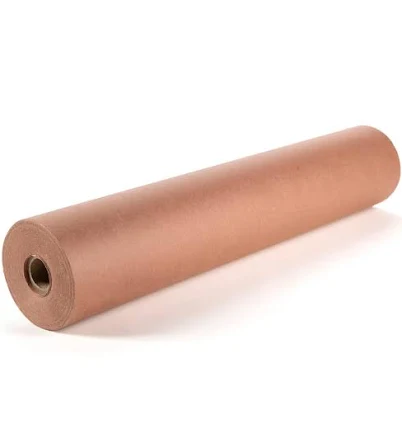
IDL Packaging
White Butcher Paper 18" x 12000" Natural Butcher Paper Roll for Meat and Fish
- natural kraft butcher paper, no coating specified
- The brand calls it PFAS-free, which we have not verified
- Bleach residue and chlorine compounds
2 hazards checked on this product, all on its full breakdown.
- stainless steel blade, bare metal construction
- We found no PFAS statement from the brand
- Blade degradation and metal particle shedding
2 hazards checked on this product, all on its full breakdown.
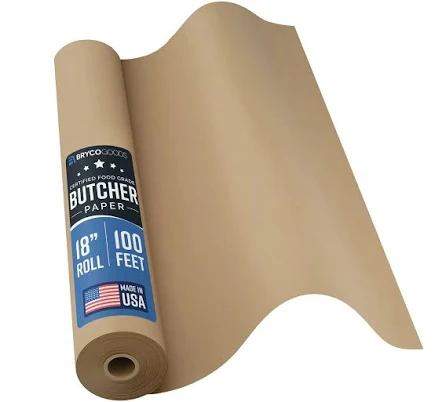
- kraft paper, unbleached cellulose
- We found no PFAS statement from the brand
- Heavy metals
2 hazards checked on this product, all on its full breakdown.
More deli meat & cold cuts packaging grades
How we score, every product runs through the same public 0-100 rubric based on materials, coatings, brand disclosure, lab findings, and recalls. See the full methodology → Spotted a mistake? Report an error.