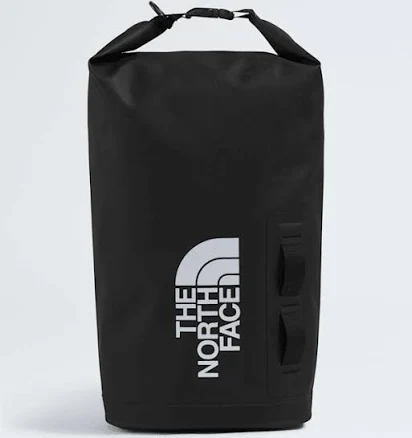
The North Face · Waterproof Outdoor Gear Storage Bags
The North Face Base Camp Dry Bag
Waterproof bag with unknown water-repellent coating treatment, no PFAS disclosure from brand.
These dry bags use durable waterproof coatings, but The North Face doesn't publicly state PFAS status or water-repellent coating chemistry. Material and treatment details stay unclear.
Still want this one anyway? Check the price on Amazon. We’d swap it.
Material
TPE/PVC drybag with waterproof coating
Lab data
No public lab test
You may also be interested in
Top-graded picks in the categories readers replace first, every one scored on the same rubric.

- polypropylene filter housing, carbon/sediment cartridge
- We found no PFAS statement from the brand
- Bacterial growth in spent cartridges
3 hazards checked on this product, all on its full breakdown.

Aquasure
Premier Series 75 GPD Under Sink Reverse Osmosis Water Filtration System
- RO membrane, carbon filters, stainless steel housing
- We found no PFAS statement from the brand
- Bacterial and microbial growth in housing and filters
4 hazards checked on this product, all on its full breakdown.

Avocado
Vegan Mattress
- organic cotton, natural latex, coconut coir, recycled steel coils
- The brand calls it PFAS-free, which we have not verified
- Heavy metals
2 hazards checked on this product, all on its full breakdown.
What The North Face Base Camp Dry Bag is made of, ingredients and materials
The Base Camp Dry Bag uses TPE (thermoplastic elastomer) or PVC as its primary material, both common in waterproof gear because they form airtight seals without requiring fabric. TPE is generally considered lower-risk than PVC for leaching, but the real concern here is the coating applied to achieve waterproofing, which is where PFAS chemicals or other persistent substances typically hide. The brand has not disclosed what water-repellent coating (water-repellent coating) treatment was applied, leaving the actual chemical composition opaque.
What’s concerning
Category baseline
The starting point for this type of product, before anything specific to this product is counted.
No PFAS disclosure
No public statement from the brand about PFAS in this product.
Waterproof / stain-resistant treatment
Water-repellent coating treatments have historically used PFAS.
water-repellent coating (water-repellent coating) coating composition
The waterproof finish is almost certainly a fluorocarbon or alternative chemical treatment, but The North Face does not disclose which one. PFAS is a leading risk here (graded separately), but other persistent polymeric coatings used as PFAS alternatives also carry unknown leaching profiles.
PVC/TPE thermal leaching
Both materials can release plasticizers or residual monomers when heated significantly above ambient temperature. A drybag is unlikely to reach dangerous temperatures in normal use, but prolonged storage in hot vehicles or near heat sources could accelerate leaching into contents.
Coating degradation and microparticle shedding
Waterproof coatings on drybags degrade over time and with friction. Peeling or flaking coatings can shed into packed items or water; composition of shed particles is unknown without ingredient disclosure.
Seal seam integrity and off-gassing
Seams are sealed with adhesives that may off-gas VOCs (volatile organic compounds) when new. Airing the bag before first use and storing it ventilated can reduce this, but chemical identity is not published.
How is this PFAS grade calculated?
The brand's record and disclosure
The North Face has not published clear PFAS reduction commitments or ingredient transparency for waterproof gear, despite parent company VF Corporation facing some pressure on sustainability. The company does not routinely disclose water-repellent coating chemistry on product pages or tags, which is standard practice across most outdoor brands. No major recalls or contamination reports specific to this drybag model are on record, but the silence on chemical treatment is notable in an industry where fluorocarbon coatings remain common.
How it compares in its category
Most competitive drybags (from brands like Sea to Summit, Watershed, and even budget alternatives) also use TPE or PVC with undisclosed coatings, making this product typical rather than exemplary. A few brands now offer PFOA/PFOS-free certification or publish water-repellent coating alternatives, but they remain niche. For a mainstream outdoor brand, The North Face's transparency is unremarkable and below emerging best-practice standards.
If you buy it
Store the bag in a cool, dry place away from prolonged heat or direct sunlight to slow any potential coating breakdown. Do not expose it to extreme temperatures or abrasive surfaces that could degrade the waterproof layer prematurely. Rinse with fresh water after saltwater exposure to prevent salt accumulation in seams. Replace the bag if the waterproof coating visibly peels, cracks, or loses water-shedding ability, as degradation can release trapped coating particles.
What is not known about PFAS in this product?
- Basis
- Model estimate, 45% confidence, not a lab result
- Lab test
- None on record for this exact product
- Brand statement
- The North Face has made a specific claim
Formulations change between production runs, so check the current label. How we grade.
What are the PFAS-free alternatives to The North Face Base Camp Dry Bag?
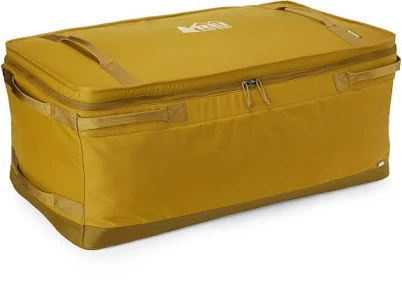
- Polypropylene storage bin, no water-resistant coating mentioned
- UV degradation and additive leaching
3 hazards checked on this product, all on its full breakdown.
Find an alternative on Amazon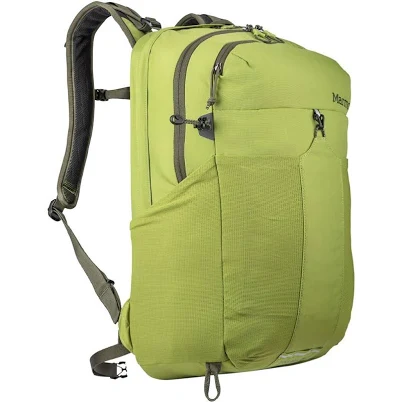
- Nylon, polyester, cotton blend; details unspecified
- Volatile organic compounds (VOCs) from polyester and nylon manufacturing
5 hazards checked on this product, all on its full breakdown.
Find an alternative on Amazon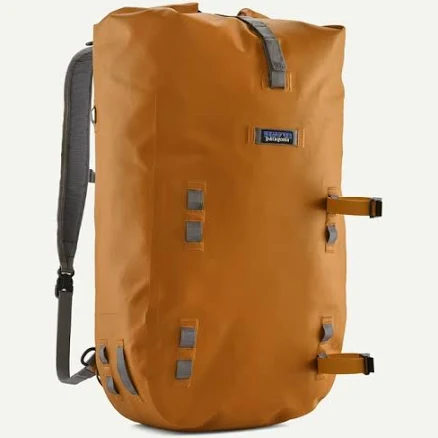
- Recycled polyester with water-repellent coating (water-repellent coating) finish
- The brand calls it PFAS-free, which we have not verified
- PFAS
4 hazards checked on this product, all on its full breakdown.
Find an alternative on AmazonMore waterproof outdoor gear storage bags grades
How we score, every product runs through the same public 0-100 rubric based on materials, coatings, brand disclosure, lab findings, and recalls. See the full methodology → Spotted a mistake? Report an error.