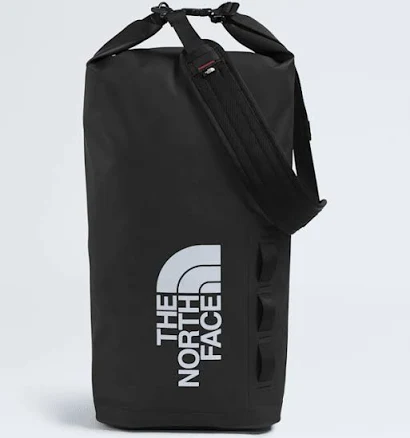
The North Face · Waterproof Outdoor Gear Storage Bags
The North Face Base Camp Dry Bag Backpack
water-repellent coating-treated backpack, PFAS content unknown, no brand disclosure.
The North Face stays mum on PFAS use in this dry bag. Waterproof backpacks typically use water-repellent coating treatments that may contain PFAS, no third-party testing available.
Still want this one anyway? Check the price on Amazon. We’d swap it.
Material
Nylon fabric with water-repellent coating water-repellent treatment
Lab data
No public lab test
You may also be interested in
Top-graded picks in the categories readers replace first, every one scored on the same rubric.

- polypropylene filter housing, carbon/sediment cartridge
- We found no PFAS statement from the brand
- Bacterial growth in spent cartridges
3 hazards checked on this product, all on its full breakdown.

Aquasure
Premier Series 75 GPD Under Sink Reverse Osmosis Water Filtration System
- RO membrane, carbon filters, stainless steel housing
- We found no PFAS statement from the brand
- Bacterial and microbial growth in housing and filters
4 hazards checked on this product, all on its full breakdown.

Avocado
Vegan Mattress
- organic cotton, natural latex, coconut coir, recycled steel coils
- The brand calls it PFAS-free, which we have not verified
- Heavy metals
2 hazards checked on this product, all on its full breakdown.
What The North Face Base Camp Dry Bag Backpack is made of, ingredients and materials
The Base Camp Dry Bag uses nylon fabric treated with a water-repellent coating (water-repellent coating) finish. water-repellent coating coatings on outdoor textiles have historically relied on fluorinated compounds (PFAS) to achieve water-shedding performance, though some manufacturers now use non-fluorinated alternatives. The nylon itself is a synthetic polymer that resists degradation and does not typically leach harmful chemicals under normal use, but the surface treatment's chemistry remains the critical unknown here.
What’s concerning
No PFAS disclosure
No public statement from the brand about PFAS in this product.
Category baseline
The starting point for this type of product, before anything specific to this product is counted.
Waterproof / stain-resistant treatment
Water-repellent coating treatments have historically used PFAS.
water-repellent coating degradation and reapplication
Water-repellent coating finishes on nylon naturally wear down with washing and UV exposure. The North Face does not specify expected water-repellent coating lifespan on this product; users often resort to third-party fluorinated water-repellent coating treatments to restore water resistance, potentially introducing additional PFAS exposure.
Nylon microfiber shedding
Nylon textiles can shed microfibers during wear and washing, though backpack abrasion is less intensive than clothing. No specific shedding data exists for this model, but synthetic backpack materials do gradually degrade and release fibers into aquatic environments.
What’s reassuring
Azo dyes in nylon coloring
The North Face uses standard industrial azo dyes for fabric coloring, which are regulated in the EU and US. No safety violations or hazardous dye incidents have been recorded for this product line.
Hardware corrosion and metal leaching
Zippers, buckles, and D-rings are typically nickel-plated steel or aluminum. Under normal conditions these do not leach; however, prolonged exposure to salt water or sweat may cause corrosion over many years, though risk to users is minimal.
Flame retardants
Nylon backpacks are not typically treated with halogenated flame retardants; the base polymer has moderate flame performance. No flame retardant treatments have been documented on this specific product.
Source, EPA ↗How is this PFAS grade calculated?
The brand's record and disclosure
The North Face has not publicly disclosed the specific water-repellent coating chemistry used in this product or confirmed PFAS-free status. The brand has signed onto some sustainability initiatives but does not prominently advertise fluorine-free water repellency across its gear line. No significant recalls or safety violations related to this backpack have been publicly documented. This silence on water-repellent coating composition is typical of the outdoor apparel sector and does not indicate a safety failure, but rather an industry-wide gap in consumer transparency.
How it compares in its category
Most mainstream outdoor backpacks use conventional fluorinated water-repellent coating treatments; this is standard practice and not a distinguishing factor. Competitors like Patagonia and Arc'teryx have begun disclosing PFAS-free alternatives, setting a transparency precedent that The North Face has not followed for this model. In terms of durability and water resistance, the Base Camp Dry Bag performs within expected norms for a premium pack, but buyers prioritizing PFAS avoidance may find explicit certifications elsewhere.
If you buy it
Store indoors in a cool, dry location away from direct sunlight to preserve water-repellent coating efficacy over time. Washing should be gentle and infrequent; when needed, use cool water and mild detergent, avoid fabric softeners and heat drying as these degrade water-repellent coatings. Do not apply aftermarket water-repellent coating sprays containing known PFAS unless you accept that trade-off explicitly. Replace when seams fail, zippers degrade, or water begins pooling on fabric rather than beading off; typical lifespan is 5-10 years with moderate use.
What is not known about PFAS in this product?
- Basis
- Model estimate, 45% confidence, not a lab result
- Lab test
- None on record for this exact product
- Brand statement
- The North Face has made a specific claim
Formulations change between production runs, so check the current label. How we grade.
What are the PFAS-free alternatives to The North Face Base Camp Dry Bag Backpack?
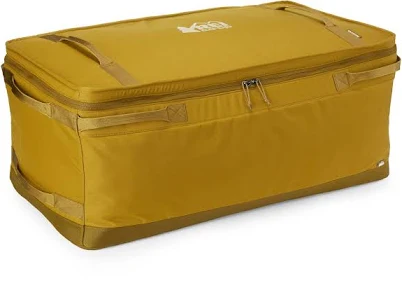
- Polypropylene storage bin, no water-resistant coating mentioned
- UV degradation and additive leaching
3 hazards checked on this product, all on its full breakdown.
Find an alternative on Amazon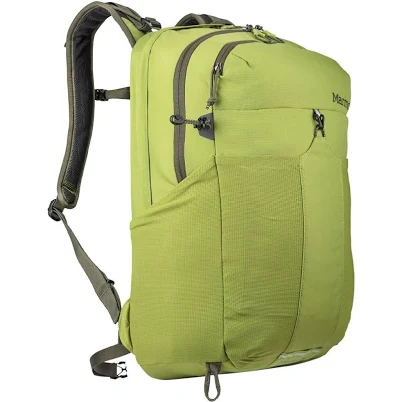
- Nylon, polyester, cotton blend; details unspecified
- Volatile organic compounds (VOCs) from polyester and nylon manufacturing
5 hazards checked on this product, all on its full breakdown.
Find an alternative on Amazon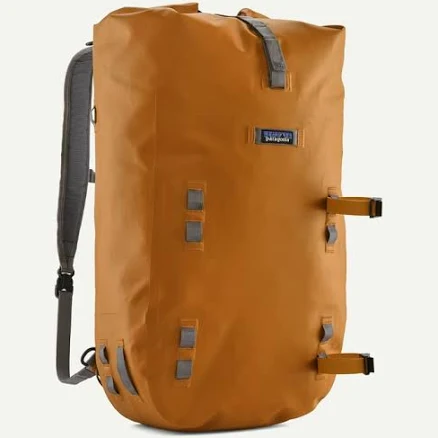
- Recycled polyester with water-repellent coating (water-repellent coating) finish
- The brand calls it PFAS-free, which we have not verified
- PFAS
4 hazards checked on this product, all on its full breakdown.
Find an alternative on AmazonMore waterproof outdoor gear storage bags grades
How we score, every product runs through the same public 0-100 rubric based on materials, coatings, brand disclosure, lab findings, and recalls. See the full methodology → Spotted a mistake? Report an error.