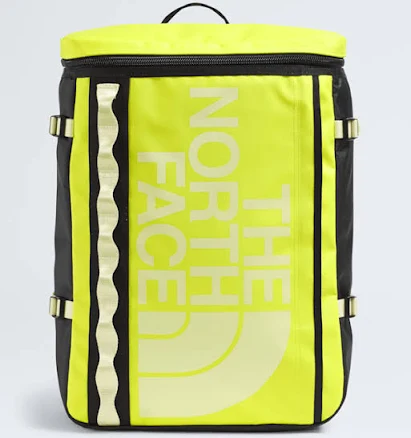
The North Face · Waterproof Outdoor Gear Storage Bags
The North Face Base Camp Fuse Box Backpack
Waterproof backpack with likely water-repellent coating, PFAS status undisclosed.
The North Face has not disclosed PFAS content or water-repellent coating treatment for this backpack. Waterproof and water-repellent coating treatments typically contain fluorinated compounds, though modern options may avoid PFAS.
Still want this one anyway? Check the price on Amazon. We’d swap it.
Material
Polyester/nylon with water-repellent coating
Lab data
No public lab test
You may also be interested in
Top-graded picks in the categories readers replace first, every one scored on the same rubric.

- polypropylene filter housing, carbon/sediment cartridge
- We found no PFAS statement from the brand
- Bacterial growth in spent cartridges
3 hazards checked on this product, all on its full breakdown.

Aquasure
Premier Series 75 GPD Under Sink Reverse Osmosis Water Filtration System
- RO membrane, carbon filters, stainless steel housing
- We found no PFAS statement from the brand
- Bacterial and microbial growth in housing and filters
4 hazards checked on this product, all on its full breakdown.

Avocado
Vegan Mattress
- organic cotton, natural latex, coconut coir, recycled steel coils
- The brand calls it PFAS-free, which we have not verified
- Heavy metals
2 hazards checked on this product, all on its full breakdown.
What The North Face Base Camp Fuse Box Backpack is made of, ingredients and materials
The Fuse Box uses polyester and nylon as the primary shell materials, both synthetic polymers that are inherently stable and do not leach chemicals under normal use conditions. The critical component is the water-repellent coating (water-repellent coating) finish applied to the exterior; most commercial water-repellent coating coatings use PFAS-based chemistry, which The North Face has not publicly disclosed for this model. Polyester and nylon themselves pose no documented toxicity risk at room temperature, but the coating's composition and durability remain unknown.
What’s concerning
No PFAS disclosure
No public statement from the brand about PFAS in this product.
Category baseline
The starting point for this type of product, before anything specific to this product is counted.
Waterproof / stain-resistant treatment
Water-repellent coating treatments have historically used PFAS.
PFAS
Waterproof backpacks in this price and category typically rely on fluorinated water-repellent coating; The North Face has not disclosed whether this model uses PFAS-based or fluorine-free alternatives. Environmental and bioaccumulation concerns exist but are graded separately.
Source, ATSDR ↗Polyester/nylon thermal degradation
If exposed to sustained heat (e.g., stored in hot vehicles or near heat sources), polyester can degrade and potentially emit trace volatile organics; nylon is more heat-resistant but both should avoid temperatures above 140°F.
Coating delamination and integrity loss
User reports and retailer reviews document peeling or flaking of water-repellent coating coatings on The North Face backpacks after 2-5 years of use, especially with machine washing or high-heat drying. This does not pose acute toxicity but compromises waterproofing and may lead to mold growth if wet interior is not dried.
Microplastic shedding from synthetic fibers
Polyester and nylon shed microscopic fibers during use and washing, particularly with abrasion or agitation. While not a direct health risk to the wearer, washing in cold water and avoiding machine dryers reduces fiber release into wastewater.
What’s reassuring
Heavy metals
Polyester textiles are dyed during manufacturing; The North Face meets standard textile safety regulations, and no heavy metal contamination has been documented in their backpack lines. Industry testing suggests well-regulated producers maintain compliance, but third-party audit data for this specific model is not publicly available.
Source, FDA ↗How is this PFAS grade calculated?
The brand's record and disclosure
The North Face has not published a comprehensive PFAS elimination timeline or supplier transparency report for their gear lines as of available public records. The brand has faced pressure from environmental groups regarding PFC use in waterproof apparel but has made limited public commitments to phase-out timelines specific to backpacks. This silence on water-repellent coating chemistry in the Fuse Box is typical of their product category but represents a notable gap in consumer disclosure compared to some outdoor brands.
How it compares in its category
Most mid-range technical backpacks (150-300 USD range) use similar polyester/nylon with PFAS-based or fluorine-free water-repellent coating coatings, and The North Face's approach is standard industry practice rather than an outlier. Competitors like Patagonia and some Arc'teryx lines have begun transparently labeling water-repellent coating choice; The North Face lags in this disclosure. The Fuse Box's durability and weather resistance are competitive, but that benefit is achieved through chemistry the maker will not explain.
If you buy it
Avoid machine washing; hand-rinse with cold water and mild soap to preserve the water-repellent coating and prevent delamination of interior lining. Do not tumble dry or expose to heat above 140°F, as synthetic polymers can break down and the coating may fail. Inspect seams, zippers, and the base annually for wear; once the water-repellent coating visibly fails (water no longer beads), replacement is more practical than re-treatment due to the unknown chemistry. Store dry in a cool, dark place to slow polymer degradation.
What is not known about PFAS in this product?
- Basis
- Model estimate, 45% confidence, not a lab result
- Lab test
- None on record for this exact product
- Brand statement
- The North Face has made a specific claim
Formulations change between production runs, so check the current label. How we grade.
What are the PFAS-free alternatives to The North Face Base Camp Fuse Box Backpack?
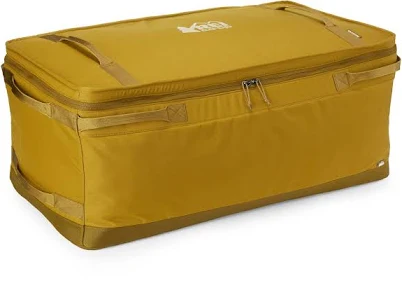
- Polypropylene storage bin, no water-resistant coating mentioned
- UV degradation and additive leaching
3 hazards checked on this product, all on its full breakdown.
Find an alternative on Amazon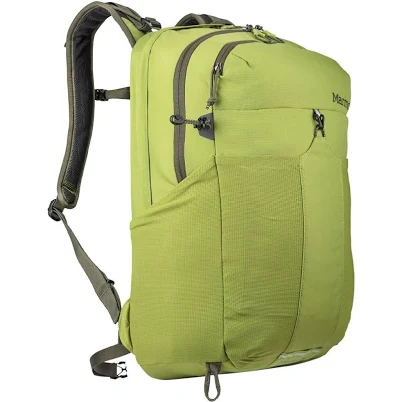
- Nylon, polyester, cotton blend; details unspecified
- Volatile organic compounds (VOCs) from polyester and nylon manufacturing
5 hazards checked on this product, all on its full breakdown.
Find an alternative on Amazon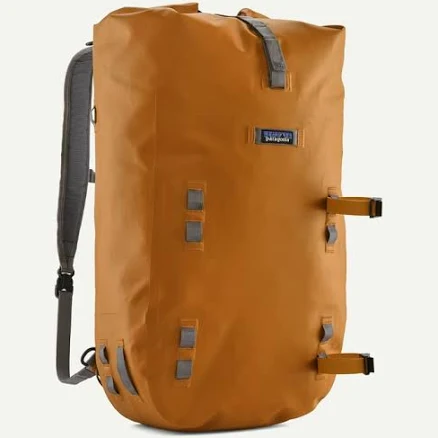
- Recycled polyester with water-repellent coating (water-repellent coating) finish
- The brand calls it PFAS-free, which we have not verified
- PFAS
4 hazards checked on this product, all on its full breakdown.
Find an alternative on AmazonMore waterproof outdoor gear storage bags grades
How we score, every product runs through the same public 0-100 rubric based on materials, coatings, brand disclosure, lab findings, and recalls. See the full methodology → Spotted a mistake? Report an error.