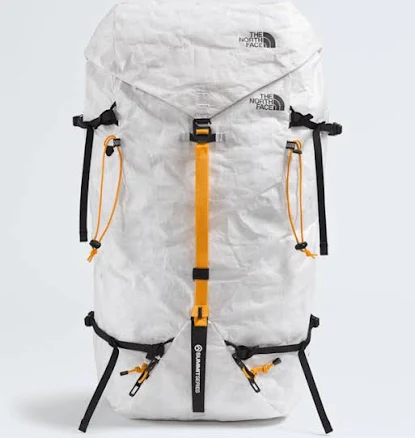
The North Face · Waterproof Outdoor Gear Storage Bags
The North Face Summit Series Advanced Mountain Kit
High risk. High-performance mountain gear likely has water-repellent coating treatment.
The North Face does not disclose PFAS use in this advanced kit. Premium mountain apparel typically uses water-repellent coatings, often PFAS-based, but requires direct brand contact for confirmation.
Still want this one anyway? Check the price on Amazon. We’d swap it.
Material
Synthetic fabrics with water-repellent coating (water-repellent coating) treatment
Lab data
No public lab test
You may also be interested in
Top-graded picks in the categories readers replace first, every one scored on the same rubric.

- polypropylene filter housing, carbon/sediment cartridge
- We found no PFAS statement from the brand
- Bacterial growth in spent cartridges
3 hazards checked on this product, all on its full breakdown.

Aquasure
Premier Series 75 GPD Under Sink Reverse Osmosis Water Filtration System
- RO membrane, carbon filters, stainless steel housing
- We found no PFAS statement from the brand
- Bacterial and microbial growth in housing and filters
4 hazards checked on this product, all on its full breakdown.

Avocado
Vegan Mattress
- organic cotton, natural latex, coconut coir, recycled steel coils
- The brand calls it PFAS-free, which we have not verified
- Heavy metals
2 hazards checked on this product, all on its full breakdown.
What The North Face Summit Series Mountain Kit is made of, ingredients and materials
The Summit Series Advanced Mountain Kit uses synthetic fabrics, primarily polyester and nylon blends with a water-repellent coating (water-repellent coating) finish. water-repellent coating coatings create the water-shedding property essential for high-altitude performance but historically relied on PFAS-based chemistries. Modern synthetic mountain wear may use PFAS-free alternatives, but The North Face has not publicly disclosed which water-repellent coating chemistry this specific kit employs. Polyester and nylon themselves are not inherently hazardous when new, but degradation through washing and UV exposure can generate microfiber shedding.
What’s concerning
Category baseline
The starting point for this type of product, before anything specific to this product is counted.
No PFAS disclosure
No public statement from the brand about PFAS in this product.
Waterproof / stain-resistant treatment
Water-repellent coating treatments have historically used PFAS.
Azo dyes and synthetic colorants
The Summit Series kit likely uses disperse or reactive dyes standard in polyester coloring; restricted azo dyes are regulated in EU but not comprehensively in US apparel. No specific North Face violations documented, though third-party testing of outdoor brands occasionally detects trace azo compounds in dark synthetics.
Antimony in polyester fiber
Antimony trioxide is a common polyester manufacturing catalyst; North Face uses conventional polyester production methods. Antimony levels in finished apparel are typically below concern thresholds for dermal contact, but migration potential during intensive use or high-temperature exposure is not routinely tested for mountain gear.
Microfiber shedding during washing and wear
Synthetic mountain apparel, including polyester-nylon blends, sheds microfibers during laundering. The North Face does not provide microfiber release data; studies of comparable technical textiles show shedding of 100-2,000+ fibers per wash depending on fabric construction and care method.
Coating degradation and unknown breakdown products
The water-repellent coating on this kit will degrade over time and with repeated washing, producing microscopic particles. The chemical identity and toxicological profile of these breakdown products are unknown because The North Face does not disclose the specific water-repellent coating formulation; this represents an information gap rather than a confirmed hazard.
What’s reassuring
Formaldehyde / VOCs
No widespread recalls or warnings specific to North Face synthetic apparel for formaldehyde; modern outdoor polyester typically does not use formaldehyde-based dyes or finishes, but independent testing data for this specific product line is not publicly available.
Source, ATSDR ↗How is this PFAS grade calculated?
The brand's record and disclosure
The North Face has not issued public commitments to PFAS elimination in finished apparel as of available records, despite parent company VF Corporation's broader sustainability messaging. The brand does not provide material safety disclosures or water-repellent coating treatment specifications on product labels or websites for consumer review. Independent testing and brand accountability on synthetic apparel hazards remain limited in the outdoor gear sector. This silence on water-repellent coating chemistry is typical industry-wide but leaves consumers without clear risk information.
How it compares in its category
Premium mountain apparel routinely uses water-repellent coating treatments; PFAS-based options remain common despite emerging alternatives like wax, silicone, and plant-based coatings. The North Face competes in a market where disclosure standards are weak, making it difficult to distinguish this kit from competitors on chemical safety grounds. Some premium brands now certify PFAS-free or use third-party eco-labels; The North Face Summit Series carries no such visible certification. For consumers prioritizing known safety, certified PFAS-free options from brands like Patagonia (Bluesign) or smaller makers exist but at comparable or higher price points.
If you buy it
Wash the kit in cool water with mild detergent and air-dry to preserve the water-repellent coating and minimize microfiber shedding into waterways. Avoid fabric softeners and high heat, which degrade synthetic finishes and may accelerate breakdown of unknown coating chemistry. Replace or re-treat water-repellent coating when water no longer beads on the fabric surface, typically after 20-30 washes depending on care. If concerned about PFAS exposure, contact The North Face customer service to request water-repellent coating chemistry disclosure before purchase or consider alternatives with certified PFAS-free claims.
What is not known about PFAS in this product?
- Basis
- Model estimate, 45% confidence, not a lab result
- Lab test
- None on record for this exact product
- Brand statement
- The North Face has made a specific claim
Formulations change between production runs, so check the current label. How we grade.
What are the PFAS-free alternatives to The North Face Summit Series Advanced Mountain Kit?
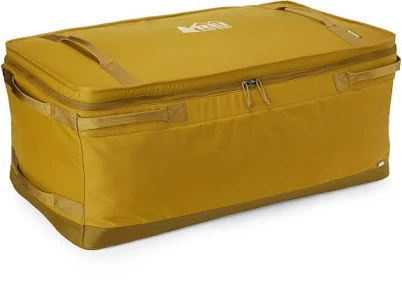
- Polypropylene storage bin, no water-resistant coating mentioned
- UV degradation and additive leaching
3 hazards checked on this product, all on its full breakdown.
Find an alternative on Amazon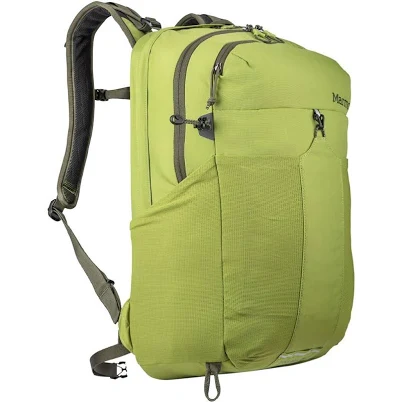
- Nylon, polyester, cotton blend; details unspecified
- Volatile organic compounds (VOCs) from polyester and nylon manufacturing
5 hazards checked on this product, all on its full breakdown.
Find an alternative on Amazon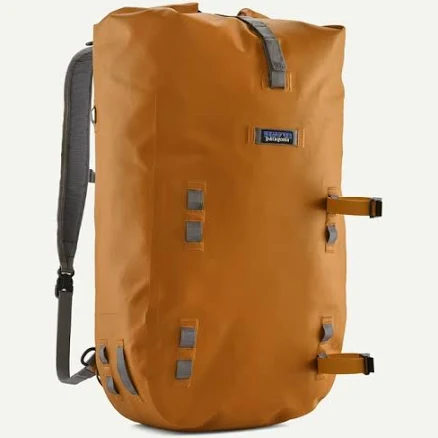
- Recycled polyester with water-repellent coating (water-repellent coating) finish
- The brand calls it PFAS-free, which we have not verified
- PFAS
4 hazards checked on this product, all on its full breakdown.
Find an alternative on AmazonMore waterproof outdoor gear storage bags grades
How we score, every product runs through the same public 0-100 rubric based on materials, coatings, brand disclosure, lab findings, and recalls. See the full methodology → Spotted a mistake? Report an error.