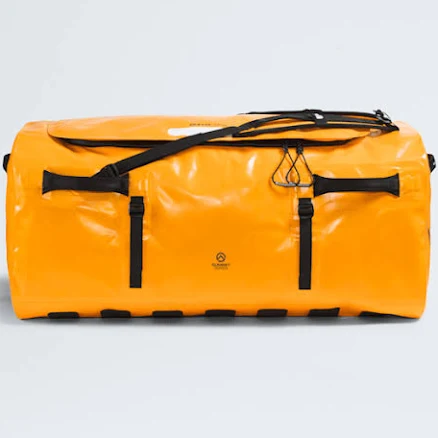
The North Face · Waterproof Outdoor Gear Storage Bags
The North Face Summit Series Advanced Mountain Kit 140L Duffel
High PFAS risk from water-repellent coating, The North Face does not disclose treatment.
Large duffle bags typically use water-repellent coating-coated textiles for waterproofing, historically a PFAS source. The North Face provides no PFAS transparency for this product line.
Still want this one anyway? Check the price on Amazon. We’d swap it.
Material
Nylon/polyester fabric with water-repellent coating (water-repellent coating) treatment
Lab data
No public lab test
You may also be interested in
Top-graded picks in the categories readers replace first, every one scored on the same rubric.

- polypropylene filter housing, carbon/sediment cartridge
- We found no PFAS statement from the brand
- Bacterial growth in spent cartridges
3 hazards checked on this product, all on its full breakdown.

Aquasure
Premier Series 75 GPD Under Sink Reverse Osmosis Water Filtration System
- RO membrane, carbon filters, stainless steel housing
- We found no PFAS statement from the brand
- Bacterial and microbial growth in housing and filters
4 hazards checked on this product, all on its full breakdown.

Avocado
Vegan Mattress
- organic cotton, natural latex, coconut coir, recycled steel coils
- The brand calls it PFAS-free, which we have not verified
- Heavy metals
2 hazards checked on this product, all on its full breakdown.
What The North Face Summit Series Duffel is made of, ingredients and materials
This duffel uses nylon and polyester fabric with a water-repellent coating (water-repellent coating) coating applied to shed moisture. water-repellent coating treatments historically relied on long-chain PFAS (PFOA, PFOS) or their replacements, which persist in the environment and body. The North Face has not publicly disclosed which water-repellent coating chemistry is used on this model. Nylon and polyester themselves are stable polymers with low direct toxicity under normal use, but the treatment is the primary concern.
What’s concerning
No PFAS disclosure
No public statement from the brand about PFAS in this product.
Category baseline
The starting point for this type of product, before anything specific to this product is counted.
Waterproof / stain-resistant treatment
Water-repellent coating treatments have historically used PFAS.
PFAS
Water-repellent coating treatment on nylon/polyester gear historically uses PFAS; The North Face does not disclose the specific chemistry. Long-chain PFAS bioaccumulate and are linked to health effects; shorter-chain replacements have less durability and limited safety data.
Source, ATSDR ↗Coating degradation and microfiber shedding
As water-repellent coating wears, nylon/polyester fibers may shed into soil or water during washing. While not a direct toxicity hazard to the user, environmental microplastic pollution is a documented concern for synthetic duffels.
What’s reassuring
Formaldehyde / VOCs
No formaldehyde-based finishes are typically applied to nylon/polyester duffels (formaldehyde resins are more common in cotton apparel). The North Face uses standard synthetic textile finishing, which is not associated with formaldehyde off-gassing.
Source, ATSDR ↗Heavy metals
No recalls or reports of heavy metal contamination (lead, cadmium, antimony) in North Face nylon/polyester duffels. Modern synthetic fabric dyes are regulated in most markets and do not typically concentrate toxic metals.
Source, FDA ↗Flame retardants
This duffel is not a sleeping bag, tent, or upholstered furniture and is not subject to flame retardant regulations. No such treatments are documented on expedition duffels in this category.
Source, EPA ↗How is this PFAS grade calculated?
The brand's record and disclosure
The North Face (owned by VF Corporation) has not made public commitments to eliminate PFAS in apparel or gear as of available records, and does not disclose water-repellent coating chemistry on product labels or websites. VF Corporation competitors (e.g., Patagonia) have pledged PFAS phase-out; The North Face's silence suggests continued use of treated fabrics. No major safety recalls specific to this model are on record.
How it compares in its category
Large expedition duffels from mainstream outdoor brands typically use water-repellent coating-treated nylon or polyester. Premium alternatives like Patagonia offer water-repellent coating options with lower concern for PFAS (wax or silicone-based), but cost more. Budget duffels skip water-repellent coating entirely. This product sits in the mass-market segment where PFAS-treated water-repellent coating remains the cost-effective standard.
If you buy it
Avoid prolonged skin contact with the interior or exterior; the water-repellent coating is not meant to be ingested or absorbed. Do not launder frequently or in hot water, as agitation and heat can degrade the coating and potentially increase leaching. Store in a dry place away from heat sources. When the water-shedding performance noticeably declines (after 5-10 years of heavy use), consider replacement rather than attempting to re-treat with aftermarket water-repellent coating products.
What is not known about PFAS in this product?
- Basis
- Model estimate, 45% confidence, not a lab result
- Lab test
- None on record for this exact product
- Brand statement
- The North Face has made a specific claim
Formulations change between production runs, so check the current label. How we grade.
What are the PFAS-free alternatives to The North Face Summit Series Advanced Mountain Kit 140L Duffel?
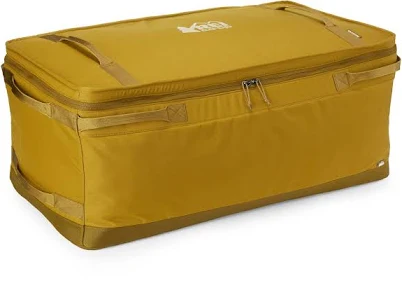
- Polypropylene storage bin, no water-resistant coating mentioned
- UV degradation and additive leaching
3 hazards checked on this product, all on its full breakdown.
Find an alternative on Amazon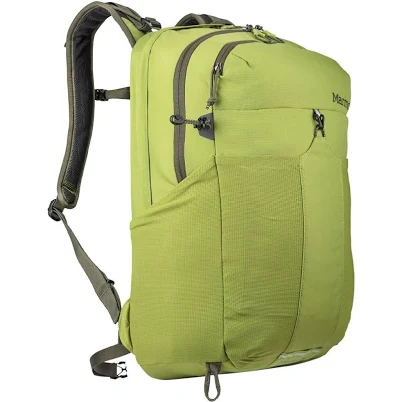
- Nylon, polyester, cotton blend; details unspecified
- Volatile organic compounds (VOCs) from polyester and nylon manufacturing
5 hazards checked on this product, all on its full breakdown.
Find an alternative on Amazon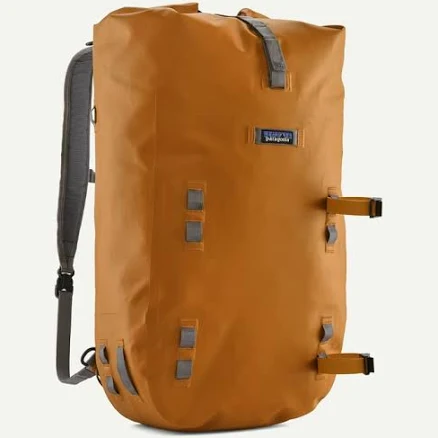
- Recycled polyester with water-repellent coating (water-repellent coating) finish
- The brand calls it PFAS-free, which we have not verified
- PFAS
4 hazards checked on this product, all on its full breakdown.
Find an alternative on AmazonMore waterproof outdoor gear storage bags grades
How we score, every product runs through the same public 0-100 rubric based on materials, coatings, brand disclosure, lab findings, and recalls. See the full methodology → Spotted a mistake? Report an error.