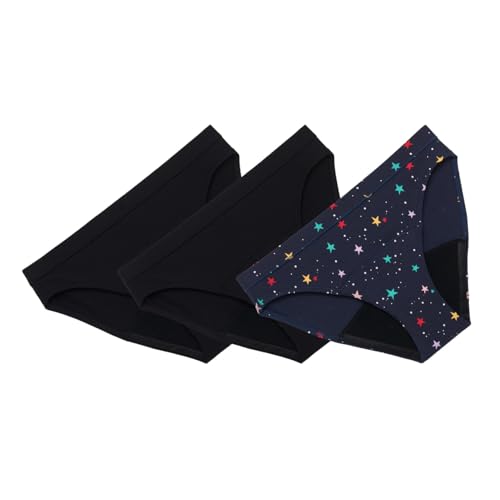
Thinx Teens Cotton Bikini Leakproof Period Underwear
Skip until brand discloses coating composition and PFAS testing.
Thinx uses a proprietary leakproof coating on cotton but does not disclose its chemical composition or PFAS status. No third-party verification available for this product line.
The better-graded swap

Seventh Generation
Seventh Generation Maxi Pads - Overnight
100/100 safety
Same rubric that flunked this product. The swap earned Excellent.
Still want this one anyway? Check the price on Amazon. We’d swap it.
Material
cotton with proprietary moisture-wicking/leakproof coating
Lab data
No public lab test
You may also be interested in
Top-graded picks in the categories readers replace first, every one scored on the same rubric.

- polypropylene filter housing, carbon/sediment cartridge
- We found no PFAS statement from the brand
- Bacterial growth in spent cartridges
3 hazards checked on this product, all on its full breakdown.

Aquasure
Premier Series 75 GPD Under Sink Reverse Osmosis Water Filtration System
- RO membrane, carbon filters, stainless steel housing
- We found no PFAS statement from the brand
- Bacterial and microbial growth in housing and filters
4 hazards checked on this product, all on its full breakdown.

Avocado
Vegan Mattress
- organic cotton, natural latex, coconut coir, recycled steel coils
- The brand calls it PFAS-free, which we have not verified
- Heavy metals
2 hazards checked on this product, all on its full breakdown.
What Thinx Teens Cotton Bikini Period Underwear is made of, ingredients and materials
Thinx Teens uses cotton fabric paired with a proprietary moisture-wicking and leakproof coating whose exact chemical composition is not publicly disclosed. The coating is the critical unknown, it sits directly against skin for extended periods and handles bodily fluids, making its chemical safety profile essential information. Cotton itself is a relatively low-concern base material, but the coating's identity, durability, and potential for leaching under wear conditions remain opaque.
What’s concerning
Waterproof / stain-resistant treatment
Water-repellent coating treatments have historically used PFAS.
Category baseline
The starting point for this type of product, before anything specific to this product is counted.
No PFAS disclosure
No public statement from the brand about PFAS in this product.
PFAS
The coating's chemical identity is withheld from consumers. Without disclosure, it is not possible to rule out plasticizers, heavy metals, or other skin-contact hazards typical of synthetic coatings used in moisture barriers.
Source, ATSDR ↗Coating degradation and microplastic risk
Synthetic coatings on textiles can flake or degrade with wear and washing. No durability or microfiber-shedding testing has been disclosed; small particles of coating material may be inhaled or ingested during handling or washing.
Skin irritation and allergic reaction to coating or finishes
Consumer reports on third-party sites document itching, rashes, and discoloration attributed to Thinx products, though causation (coating, dye, detergent interaction, or microbial growth) is unclear. The undisclosed coating prevents comparison to known allergens.
What’s reassuring
Formaldehyde / VOCs
Cotton garments sometimes receive formaldehyde-releasing resins for wrinkle resistance or sizing. Thinx has not confirmed or denied use of such finishes on this product; cotton underwear is not a typical application for this treatment, but confirmation from the brand would close this gap.
Source, ATSDR ↗Heavy metals
No public information indicates the use of restricted azo dyes or heavy-metal dye carriers in Thinx Teens colors. Standard apparel certifications could provide assurance but have not been claimed by the brand for this line.
Source, FDA ↗How is this PFAS grade calculated?
The brand's record and disclosure
Thinx has faced recurring criticism for lack of transparency around its proprietary coatings and has not published third-party safety testing results or ingredient lists for its leakproof technology. The brand has not voluntarily disclosed whether its coating contains PFAS, and multiple independent investigations have flagged PFAS in similar period-underwear products. No formal certifications (e.g., OEKO-TEX, bluesign) covering coating safety have been announced by Thinx for this product line.
How it compares in its category
Period underwear is a newer category with uneven safety standards. Competitors vary widely, some disclose coating-free or natural-rubber-based designs, while others remain similarly opaque about proprietary coatings. Thinx's refusal to disclose composition mirrors practices in the conventional menstrual-product industry but falls below emerging transparency expectations from newer brands and consumer advocates in this space.
If you buy it
Wash separately and gently; hot water and bleach may degrade the coating prematurely or increase leaching risk. Replace when elastic loses tension or the coating visibly flakes or peels. Do not machine dry at high heat. Given the undisclosed coating, monitor for skin irritation, discoloration, or odor changes that suggest coating breakdown or microbial growth. Consider requesting a product safety data sheet directly from the brand before purchase.
What is not known about PFAS in this product?
- Basis
- Model estimate, 35% confidence, not a lab result
- Lab test
- None on record for this exact product
- Brand statement
- Thinx has made a specific claim
Formulations change between production runs, so check the current label. How we grade.
What are the PFAS-free alternatives to Thinx Teens Cotton Bikini Leakproof Period Underwear?
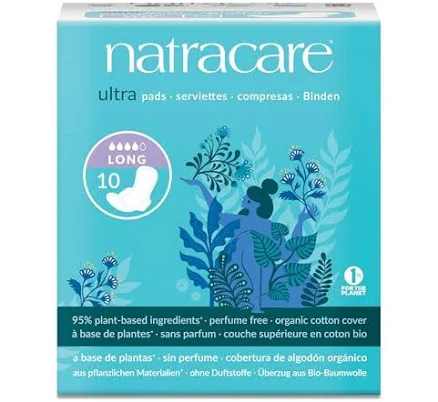
- A third party reports verifying it as PFAS-free
- Fragrance allergens (if scented variant)
2 hazards checked on this product, all on its full breakdown.
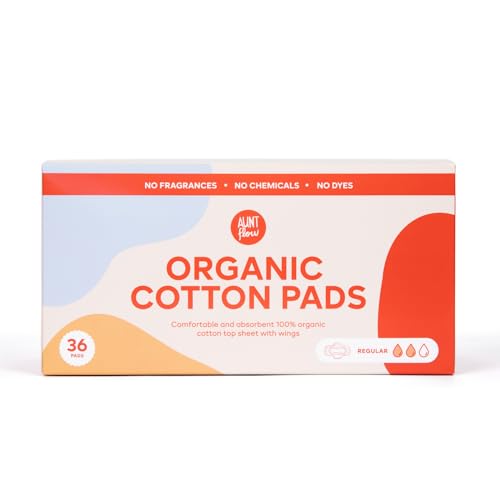
- organic cotton with natural fibers
- The brand calls it PFAS-free, which we have not verified
- Microplastics
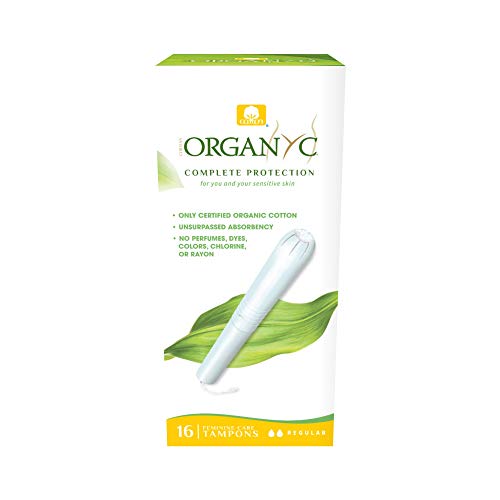
Organyc
100% Certified Organic Cotton Tampons Cardboard Applicator
- 100% organic cotton with cardboard applicator
- We found no PFAS statement from the brand
- Cardboard applicator structural integrity over time
More period care grades
100Seventh Generation Maxi Pads - Overnight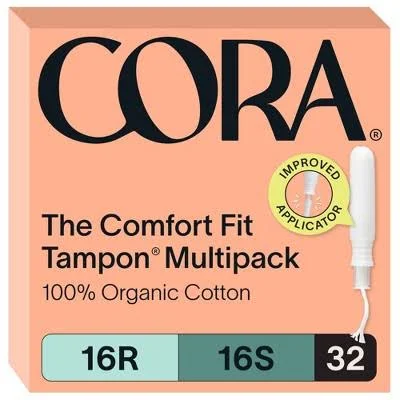 70Cora Organic Tampons
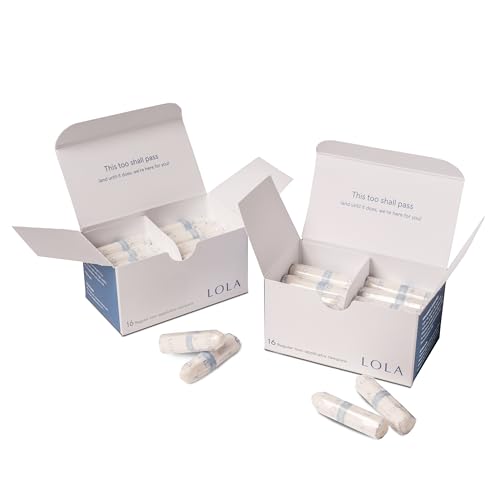 70Lola 100% Organic Cotton Tampons Applicator Free
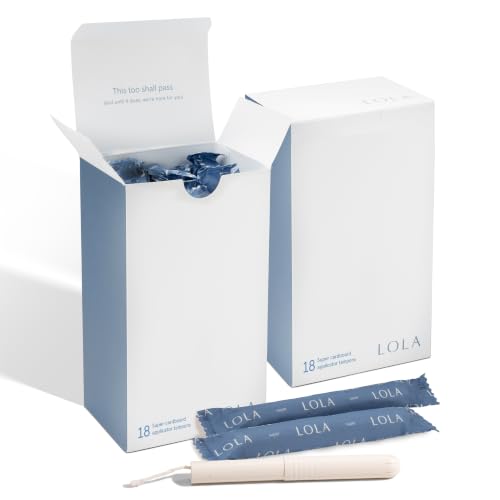 70Lola 100% Organic Cotton Tampons Cardboard Applicator
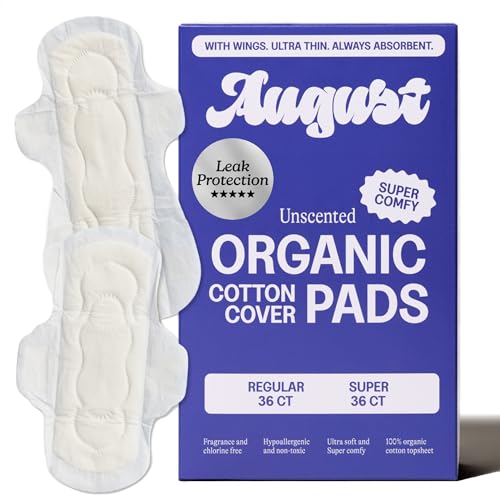 70August Organic Cotton Top Layer Pads, 36-Pack Regular
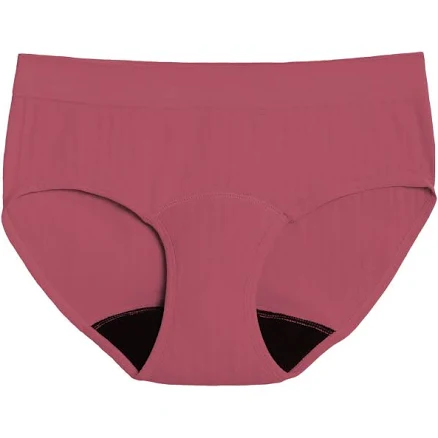 25Period Underwear (generic)
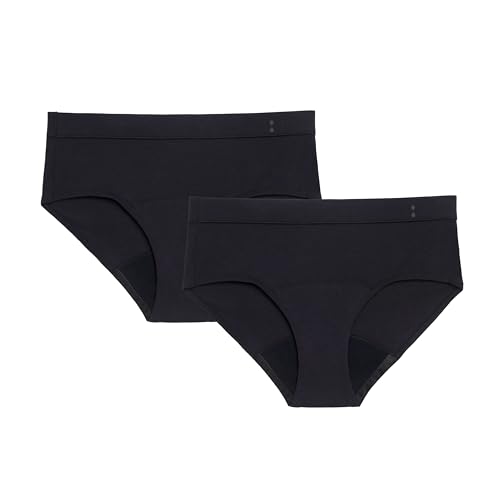 25Thinx Period Underwear
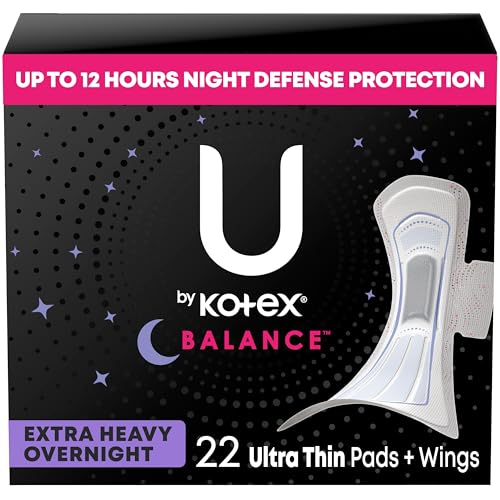 25U by Kotex Ultra Thin Overnight Pads with Wings, Extra Heavy Absorbency
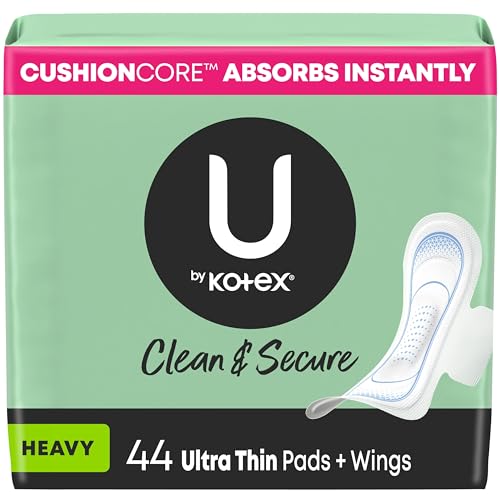 25U by Kotex Ultra Thin Pads, Heavy Absorbency
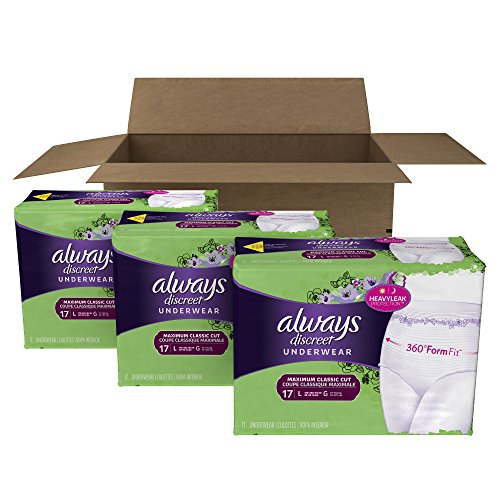 25Always Discreet 360 Form Fit Maximum UnderwearCompare vs Natracare →All period care →
How we score, every product runs through the same public 0-100 rubric based on materials, coatings, brand disclosure, lab findings, and recalls. See the full methodology → Spotted a mistake? Report an error.