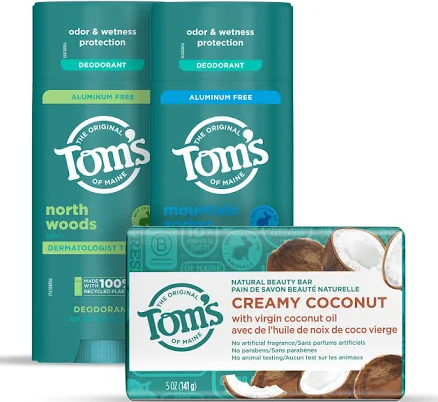
Tom's of Maine Back to Nature Bundle
No coating of concern recorded, and no PFAS statement from the brand.
The brand has published no PFAS statement for this product that we could find.
We flunk more products than we pass. This one earned its grade. How we grade
Material
natural cosmetic actives, mineral pigments, plant-based
Brand disclosure
Brand is silent on PFAS
Lab data
No public lab test
You may also be interested in
Top-graded picks in the categories readers replace first, every one scored on the same rubric.

- polypropylene filter housing, carbon/sediment cartridge
- We found no PFAS statement from the brand
- Bacterial growth in spent cartridges
3 hazards checked on this product, all on its full breakdown.

Aquasure
Premier Series 75 GPD Under Sink Reverse Osmosis Water Filtration System
- RO membrane, carbon filters, stainless steel housing
- We found no PFAS statement from the brand
- Bacterial and microbial growth in housing and filters
4 hazards checked on this product, all on its full breakdown.

Avocado
Vegan Mattress
- organic cotton, natural latex, coconut coir, recycled steel coils
- The brand calls it PFAS-free, which we have not verified
- Heavy metals
2 hazards checked on this product, all on its full breakdown.
What Tom's of Maine Back to Nature Bundle is made of, ingredients and materials
Tom's of Maine Back to Nature is formulated with natural mineral actives (primarily aluminum-free compounds or mineral salts), plant-based botanicals, and mineral pigments rather than synthetic chemical odor suppressants. The absence of aluminum zirconium compounds and talc reduces exposure to heavy metal accumulation and asbestos contamination risk. Plant-based and mineral content means lower chemical transformation during storage and minimal concern for synthetic irritants common in conventional antiperspirants.
What’s concerning
No PFAS disclosure
No public statement from the brand about PFAS in this product.
Category baseline
The starting point for this type of product, before anything specific to this product is counted.
Fragrance allergens
Natural deodorants often contain essential oils and plant extracts for scent; while some people report lower concern with these compared to synthetic fragrance mixes, essential oils can trigger contact dermatitis or respiratory sensitivity in susceptible individuals. Tom's of Maine does not list individual fragrance components on most packaging.
Skin irritation from mineral actives
Mineral-based deodorants can irritate sensitive or freshly shaved skin due to particle size and pH; aluminum-free mineral salts are less irritating than aluminum compounds but still pose risk for some users. Patch testing on inner arm before full application is prudent for sensitive skin types.
What’s reassuring
Base material not linked to PFAS
The main material recorded for this product is not one associated with PFAS.
Heavy metals
Natural iron oxides and mica used as color agents in mineral deodorants are well-regulated and not associated with dermal absorption concerns; no recalls or contamination reports exist for Tom's of Maine cosmetics on this basis.
Source, FDA ↗Formaldehyde / VOCs
Tom's of Maine formulations avoid formaldehyde-releasing preservatives (e.g., imidazolidinyl urea); the brand uses gentler preservative systems compatible with their natural positioning. No formaldehyde-related incidents are documented.
Source, ATSDR ↗Contamination from packaging or storage
No lead, BPA, or leachable coating concerns are associated with standard Tom's of Maine stick packaging. The cardboard tube and plastic cap are not known to leach chemicals into the mineral formulation.
How is this PFAS grade calculated?
The brand's record and disclosure
Tom's of Maine has a 40+ year track record of emphasizing natural and simple ingredient lists; the brand is owned by Colgate-Palmolive but maintains independent ingredient standards. The company does not make explicit PFAS claims but has not recorded use of PFAS-containing water-repellency coatings in cosmetic formulas. No major recalls or heavy-metal contamination incidents are on record for this product line.
How it compares in its category
This product sits in the 'natural mineral deodorant' segment, which typically avoids aluminum antiperspirants and synthetic fragrance altogether. Compared to conventional antiperspirants, it trades sweat blocking for odor neutralization only, which appeals to users concerned with chemical cumulative exposure. It is positioned as lower-hazard than talc-based or aluminum zirconium products, though less effective for heavy perspiration.
If you buy it
Store in a cool, dry place away from direct sunlight to preserve plant-based actives and prevent oxidation of mineral compounds. Replace every 12 months or when the stick shows visible wear or discoloration. Apply to clean, dry skin; reapply during the day if needed since mineral deodorants do not create a sweat barrier. Discontinue if redness, itching, or irritation develops, particularly if you have sensitive skin or fragrance allergies.
What is not known about PFAS in this product?
- Basis
- Model estimate, 78% confidence, not a lab result
- Lab test
- None on record for this exact product
- Brand statement
- Tom's of Maine has made none
Formulations change between production runs, so check the current label. How we grade.
What are the PFAS-free alternatives to Tom's of Maine Back to Nature Bundle?
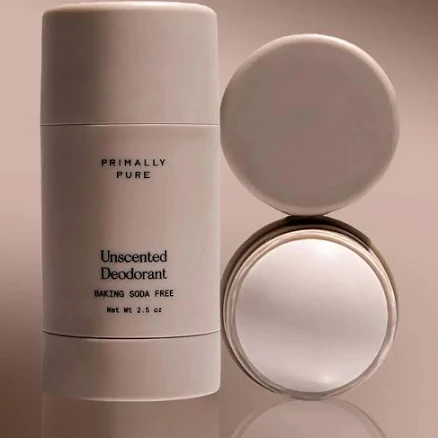
- mineral-based powder blend (arrowroot, magnesium hydroxide, mica)
- We found no PFAS statement from the brand
- Skin irritation from magnesium hydroxide alkalinity
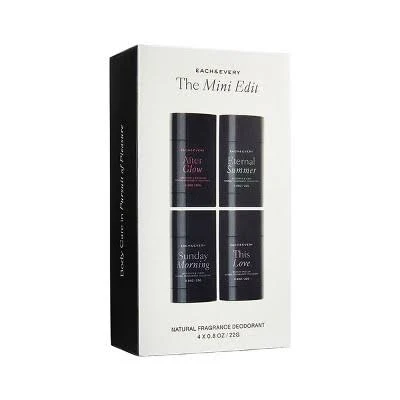
- cosmetic formulations, primary ingredients listed
- A third party reports verifying it as PFAS-free
- Fragrance allergens (natural essential oils)
2 hazards checked on this product, all on its full breakdown.
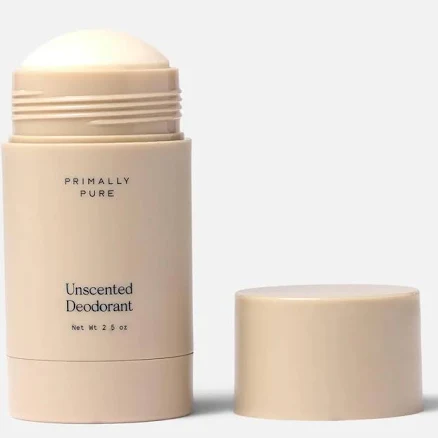
- natural mineral powders, plant-based actives, beeswax
- We found no PFAS statement from the brand
- Beeswax purity and contamination
2 hazards checked on this product, all on its full breakdown.
More deodorant grades
How we score, every product runs through the same public 0-100 rubric based on materials, coatings, brand disclosure, lab findings, and recalls. See the full methodology → Spotted a mistake? Report an error.