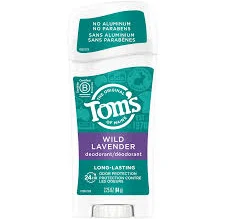
Tom s of Maine Long Lasting Deodorant
No coating of concern recorded, and no PFAS statement from the brand.
The brand has published no PFAS statement for this product that we could find.
We flunk more products than we pass. This one earned its grade. How we grade
Material
mineral-based powder, baking soda, plant oils
Brand disclosure
Brand is silent on PFAS
Lab data
No public lab test
You may also be interested in
Top-graded picks in the categories readers replace first, every one scored on the same rubric.

- polypropylene filter housing, carbon/sediment cartridge
- We found no PFAS statement from the brand
- Bacterial growth in spent cartridges
3 hazards checked on this product, all on its full breakdown.

Aquasure
Premier Series 75 GPD Under Sink Reverse Osmosis Water Filtration System
- RO membrane, carbon filters, stainless steel housing
- We found no PFAS statement from the brand
- Bacterial and microbial growth in housing and filters
4 hazards checked on this product, all on its full breakdown.

Avocado
Vegan Mattress
- organic cotton, natural latex, coconut coir, recycled steel coils
- The brand calls it PFAS-free, which we have not verified
- Heavy metals
2 hazards checked on this product, all on its full breakdown.
What Tom s of Maine Long Lasting Deodorant is made of, ingredients and materials
Tom's of Maine Long Lasting Deodorant uses a mineral-based powder foundation (typically magnesium hydroxide or similar mineral compounds) combined with baking soda and plant-derived oils for odor control and spreadability. This formulation avoids synthetic polymers and silicones common in conventional stick deodorants, which reduces the risk of skin irritation and microplastic shedding over time. The plant oil component provides emollient properties without the need for phthalate plasticizers or synthetic fragrance carriers.
What’s concerning
No PFAS disclosure
No public statement from the brand about PFAS in this product.
Category baseline
The starting point for this type of product, before anything specific to this product is counted.
Fragrance allergens (undisclosed compounds in plant oil blends)
Plant-derived fragrance components and essential oils can trigger contact dermatitis or sensitization in susceptible individuals, though Tom's does not use synthetic fragrance. Full chemical breakdown of proprietary plant oil blends is rarely disclosed.
Baking soda skin irritation (alkalinity)
Sodium bicarbonate is alkaline and can cause dryness, redness, or irritation in individuals with sensitive skin or those applying deodorant to freshly shaved or broken skin; however, this is idiosyncratic rather than a product defect.
What’s reassuring
Base material not linked to PFAS
The main material recorded for this product is not one associated with PFAS.
Heavy metals
Mineral-based deodorants occasionally raise concern over trace contaminants in mined powders (lead, cadmium). No recalls or testing data specific to Tom's of Maine products indicates this is a concern for this brand.
Source, FDA ↗Microplastic shedding
Mineral powders do not break down into microplastics; this is not a hazard for powder or paste formulations unlike certain synthetic stick deodorants.
Talc contamination (if used)
Tom's of Maine does not use talc in this product; formulation relies on mineral oxides and starches. Talc concern is absent for this specific formula.
How is this PFAS grade calculated?
The brand's record and disclosure
Tom's of Maine has a 40-year history of transparency around ingredient sourcing and has committed to eliminating animal testing. The brand publishes full ingredient lists and maintains certification with Leaping Bunny (cruelty-free) and many products carry non-GMO Project Verification. No major safety recalls or controversies specific to heavy metals, allergens, or contaminants have been recorded for this deodorant line. The brand does not make specific PFAS claims but uses no intentional fluorinated compounds in formulation.
How it compares in its category
Mineral-based deodorants like this rank among the lowest-risk options compared to aluminum antiperspirant sticks (which carry absorbed aluminum concerns) and synthetic fragrance-heavy formulas that may contain undisclosed fragrance allergens. The baking soda approach is gentler than antimicrobial triclosan or parabens found in mass-market products. This product sits in the 'clean beauty' segment where ingredient disclosure is standard; comparable alternatives include Arm & Hammer and Schmidt's, all with similar safety profiles.
If you buy it
Store in a cool, dry place to prevent oil separation or powder caking. The paste or powder texture will not degrade with normal skin contact; replace when product is visibly depleted or odor control noticeably drops (typically 6-12 months depending on use frequency). If skin irritation develops, verify baking soda sensitivity (rare but possible in sensitive individuals) by patch-testing on inner arm first. Keep away from eyes and mucous membranes.
What is not known about PFAS in this product?
- Basis
- Model estimate, 78% confidence, not a lab result
- Lab test
- None on record for this exact product
- Brand statement
- Tom's of Maine has made none
Formulations change between production runs, so check the current label. How we grade.
What are the PFAS-free alternatives to Tom s of Maine Long Lasting Deodorant?
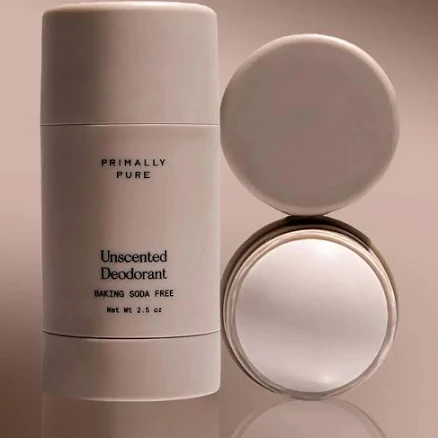
- mineral-based powder blend (arrowroot, magnesium hydroxide, mica)
- We found no PFAS statement from the brand
- Skin irritation from magnesium hydroxide alkalinity
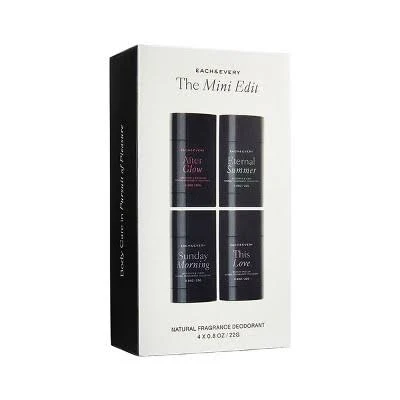
- cosmetic formulations, primary ingredients listed
- A third party reports verifying it as PFAS-free
- Fragrance allergens (natural essential oils)
2 hazards checked on this product, all on its full breakdown.
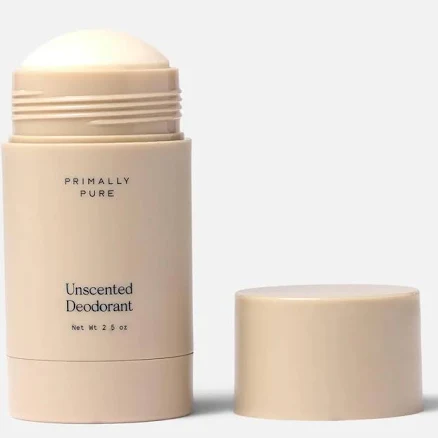
- natural mineral powders, plant-based actives, beeswax
- We found no PFAS statement from the brand
- Beeswax purity and contamination
2 hazards checked on this product, all on its full breakdown.
More deodorant grades
How we score, every product runs through the same public 0-100 rubric based on materials, coatings, brand disclosure, lab findings, and recalls. See the full methodology → Spotted a mistake? Report an error.