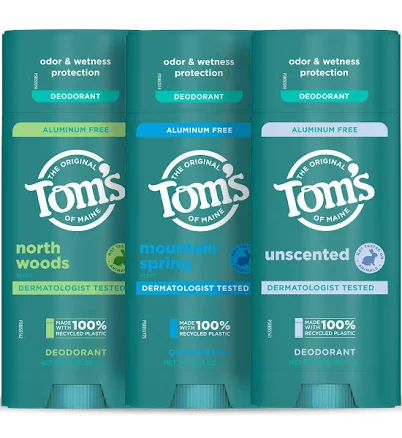
Tom's of Maine Most-Loved Deodorant Bundle
No coating of concern recorded, and no PFAS statement from the brand.
The brand has published no PFAS statement for this product that we could find.
We flunk more products than we pass. This one earned its grade. How we grade
Material
mineral-based and plant-derived actives; stick formulation
Brand disclosure
Brand is silent on PFAS
Lab data
No public lab test
You may also be interested in
Top-graded picks in the categories readers replace first, every one scored on the same rubric.

- polypropylene filter housing, carbon/sediment cartridge
- We found no PFAS statement from the brand
- Bacterial growth in spent cartridges
3 hazards checked on this product, all on its full breakdown.

Aquasure
Premier Series 75 GPD Under Sink Reverse Osmosis Water Filtration System
- RO membrane, carbon filters, stainless steel housing
- We found no PFAS statement from the brand
- Bacterial and microbial growth in housing and filters
4 hazards checked on this product, all on its full breakdown.

Avocado
Vegan Mattress
- organic cotton, natural latex, coconut coir, recycled steel coils
- The brand calls it PFAS-free, which we have not verified
- Heavy metals
2 hazards checked on this product, all on its full breakdown.
What Tom's of Maine Most-Loved Deodorant Bundle is made of, ingredients and materials
Tom's of Maine Most-Loved Deodorant uses mineral actives (primarily aluminum-derived compounds like aluminum zirconium) combined with plant-derived botanicals and a wax-oil stick base. Unlike antiperspirant formulas, this is a deodorant only, meaning it does not block sweat but masks odor through mineral chemistry and plant extracts. The stick formulation avoids spray propellants and aerosol stabilizers, reducing inhalation risk common in spray alternatives.
What’s concerning
No PFAS disclosure
No public statement from the brand about PFAS in this product.
Category baseline
The starting point for this type of product, before anything specific to this product is counted.
Fragrance allergens
Tom's of Maine Most-Loved line uses essential oils and plant-derived fragrances rather than synthetic fragrance compounds. While generally lower-risk than conventional fragrance mixes, essential oils and botanical extracts remain known allergens and sensitizers for a subset of users; no specific allergen disclosures are on public record for this product.
Skin irritation or contact sensitization
Mineral-based deodorants and plant extracts can trigger irritation or allergic contact dermatitis in sensitive individuals. This is not a manufacturing defect but a property of the active ingredients themselves; users with eczema or very reactive skin may need patch testing before regular use.
What’s reassuring
Base material not linked to PFAS
The main material recorded for this product is not one associated with PFAS.
Aluminum compound systemic absorption
The product contains aluminum zirconium, a standard deodorant active. Decades of epidemiological study have not established a causal link between topical aluminum deodorant use and systemic health effects in the general population. The mineral form and deodorant-only classification (not antiperspirant) means lower aluminum concentration than antiperspirant alternatives.
Formaldehyde / VOCs
Tom's of Maine publicly excludes formaldehyde-releasing preservatives (such as DMDM hydantoin or imidazolidinyl urea) from its formulations. The stick format requires minimal preservative load compared to creams or liquids, and no preservative concerns have been documented for this product.
Source, ATSDR ↗Heavy metals
Aluminum zirconium compounds used in deodorants are pharmaceutical-grade materials with established purity standards. No heavy-metal contamination (lead, cadmium, arsenic) has been reported for Tom's of Maine deodorant products or standard mineral deodorant ingredients in this category.
Source, FDA ↗How is this PFAS grade calculated?
The brand's record and disclosure
Tom's of Maine has a documented history of ingredient transparency and publishes full ingredient lists on packaging and websites. The brand is owned by Colgate-Palmolive but maintains independent ingredient standards and does not use parabens, sulfates, or synthetic fragrances in most core lines. No significant safety recalls or undisclosed chemical controversies have been established for this product line. The brand's silence on PFAS is consistent with the deodorant category where PFAS use is not standard practice.
How it compares in its category
Mineral-based deodorants like this one present lower concern regarding synthetic fragrance and propellant hazards associated with conventional spray deodorants while using less aggressive chemical actives than antiperspirant formulations. Compared to charcoal or clay-heavy natural deodorants, mineral formulas have better established safety data and lower risk of skin irritation from abrasive particles. This product's transparency and third-party certifications (often NSF or natural-product verified) exceed many conventional drugstore alternatives.
If you buy it
Store in a cool, dry place away from direct sunlight to prevent the stick from softening excessively; mineral-based formulas can degrade in heat. Patch test on a small area of skin first, particularly if you have sensitive underarms, as mineral actives can occasionally cause irritation in prone individuals. Replace when the stick is depleted; there is no meaningful shelf-life degradation concern with properly stored unopened products. Discontinue use if rash or persistent irritation develops and consider dermatologist consultation.
What is not known about PFAS in this product?
- Basis
- Model estimate, 78% confidence, not a lab result
- Lab test
- None on record for this exact product
- Brand statement
- Tom's of Maine has made none
Formulations change between production runs, so check the current label. How we grade.
What are the PFAS-free alternatives to Tom's of Maine Most-Loved Deodorant Bundle?
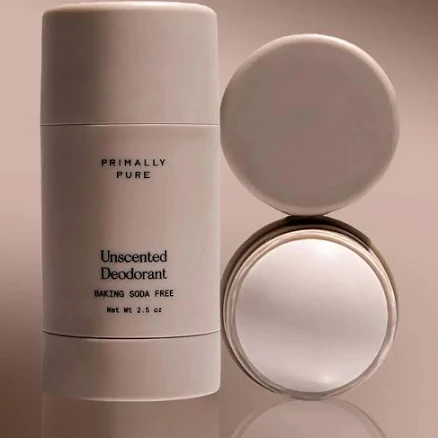
- mineral-based powder blend (arrowroot, magnesium hydroxide, mica)
- We found no PFAS statement from the brand
- Skin irritation from magnesium hydroxide alkalinity
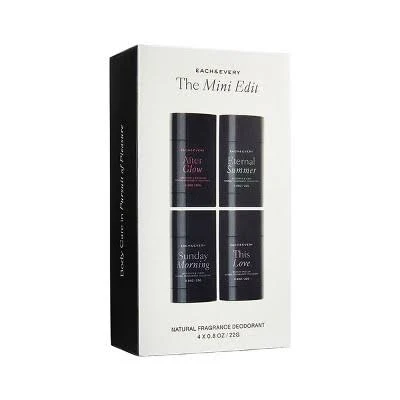
- cosmetic formulations, primary ingredients listed
- A third party reports verifying it as PFAS-free
- Fragrance allergens (natural essential oils)
2 hazards checked on this product, all on its full breakdown.
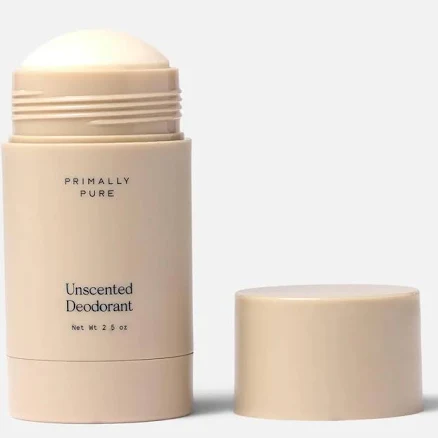
- natural mineral powders, plant-based actives, beeswax
- We found no PFAS statement from the brand
- Beeswax purity and contamination
2 hazards checked on this product, all on its full breakdown.
More deodorant grades
How we score, every product runs through the same public 0-100 rubric based on materials, coatings, brand disclosure, lab findings, and recalls. See the full methodology → Spotted a mistake? Report an error.