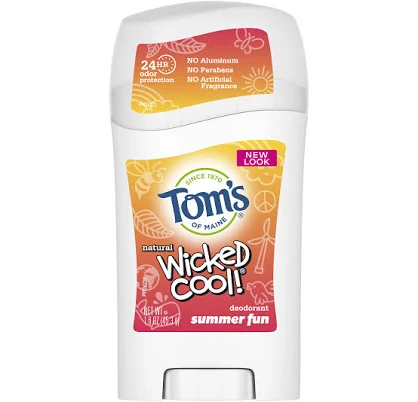
Tom's of Maine Wicked Deodorant
No coating of concern recorded, and no PFAS statement from the brand.
The brand has published no PFAS statement for this product that we could find.
We flunk more products than we pass. This one earned its grade. How we grade
Material
mineral-based powders, plant-derived ingredients
Brand disclosure
Brand is silent on PFAS
Lab data
No public lab test
You may also be interested in
Top-graded picks in the categories readers replace first, every one scored on the same rubric.

- polypropylene filter housing, carbon/sediment cartridge
- We found no PFAS statement from the brand
- Bacterial growth in spent cartridges
3 hazards checked on this product, all on its full breakdown.

Aquasure
Premier Series 75 GPD Under Sink Reverse Osmosis Water Filtration System
- RO membrane, carbon filters, stainless steel housing
- We found no PFAS statement from the brand
- Bacterial and microbial growth in housing and filters
4 hazards checked on this product, all on its full breakdown.

Avocado
Vegan Mattress
- organic cotton, natural latex, coconut coir, recycled steel coils
- The brand calls it PFAS-free, which we have not verified
- Heavy metals
2 hazards checked on this product, all on its full breakdown.
What Tom's of Maine Wicked Deodorant is made of, ingredients and materials
Tom's of Maine Wicked Deodorant uses mineral salts (primarily potassium alum) and plant-derived powders as its active and filler ingredients, avoiding synthetic antiperspirant compounds like aluminum chlorohydrate. Mineral salts work by forming a thin barrier that inhibits bacterial growth rather than blocking sweat, making them gentler on skin and less likely to accumulate in tissues. The powder-based formula minimizes need for synthetic binders, emulsifiers, or preservatives that can pose skin irritation or endocrine-active risks in other deodorants.
What’s concerning
No PFAS disclosure
No public statement from the brand about PFAS in this product.
Category baseline
The starting point for this type of product, before anything specific to this product is counted.
Fragrance allergens and skin sensitizers
The product contains fragrance (botanical extracts and essential oils listed as 'natural fragrance'). Essential oils and plant-derived fragrances can trigger contact dermatitis or photosensitivity in sensitive individuals, particularly with lavender or citrus components. Risk is lower than synthetic fragrance mixes but not zero.
What’s reassuring
Base material not linked to PFAS
The main material recorded for this product is not one associated with PFAS.
Heavy metals
Potassium alum (the primary active) is a well-characterized food-grade mineral with no established aluminum or heavy-metal leaching risk at deodorant concentrations or typical skin exposure. No recalls or contamination reports linked to this product.
Source, FDA ↗Talc contamination (asbestos)
Tom's of Maine does not list talc as an ingredient in Wicked Deodorant; mineral-based formulas typically use mica, starch, or calcium carbonate instead. No asbestos risk is established for this product.
Formaldehyde / VOCs
Published ingredient lists show no formaldehyde-releasing preservatives (DMDM hydantoin, imidazolidinyl urea, etc.). The mineral-salt and plant-powder base requires minimal synthetic preservation.
Source, ATSDR ↗1,4-dioxane or industrial contaminants
1,4-dioxane is a byproduct of ethoxylation in surfactants; mineral-salt and powder deodorants do not rely on ethoxylated emulsifiers, and no trace contamination has been reported for this product line.
How is this PFAS grade calculated?
The brand's record and disclosure
Tom's of Maine has maintained a long-standing commitment to natural and recognizable ingredients, with ingredient lists generally available and largely transparent. The brand is B-Corp certified and has published sustainability reports, though it does not explicitly market PFAS-free status in communications (consistent with the 'silent' stance noted). No major recalls, formulation controversies, or undisclosed hazardous substances have been established in public records for this product line.
How it compares in its category
Mineral-salt and plant-powder deodorants like this one have lower concern compared to aluminum chlorohydrate antiperspirants and synthetic fragrance blends common in mass-market brands. They sacrifice long-term sweat suppression for lower toxicological burden and skin sensitivity risk. Direct competitors (crystal deodorants, baking-soda formulas) offer similar safety profiles but may have higher pH or irritation potential; conventional antiperspirants present greater aluminum and preservative exposure.
If you buy it
Apply to clean, dry skin; mineral-salt deodorants work best when skin is not wet, which reduces efficacy and can cause white residue. Replace every 12-18 months or when material crumbles significantly. Store in a cool, dry place to prevent powder compaction and moisture absorption. If skin irritation develops (rare with this formula), discontinue and rinse with water; patch-test on a small area first if you have sensitive skin or eczema.
What is not known about PFAS in this product?
- Basis
- Model estimate, 82% confidence, not a lab result
- Lab test
- None on record for this exact product
- Brand statement
- Tom's of Maine has made none
Formulations change between production runs, so check the current label. How we grade.
What are the PFAS-free alternatives to Tom's of Maine Wicked Deodorant?
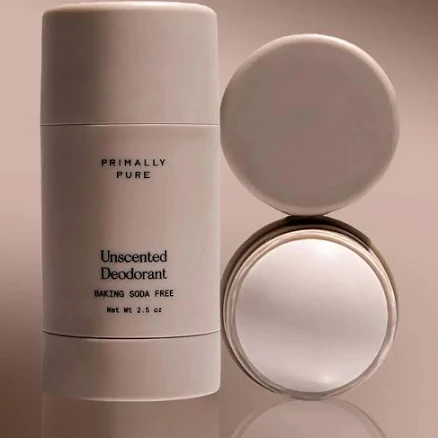
- mineral-based powder blend (arrowroot, magnesium hydroxide, mica)
- We found no PFAS statement from the brand
- Skin irritation from magnesium hydroxide alkalinity
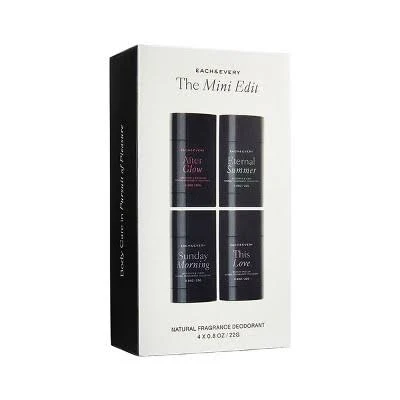
- cosmetic formulations, primary ingredients listed
- A third party reports verifying it as PFAS-free
- Fragrance allergens (natural essential oils)
2 hazards checked on this product, all on its full breakdown.
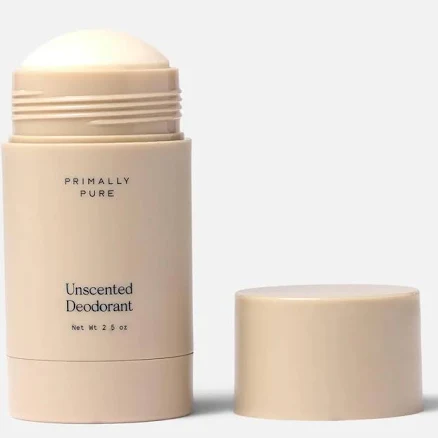
- natural mineral powders, plant-based actives, beeswax
- We found no PFAS statement from the brand
- Beeswax purity and contamination
2 hazards checked on this product, all on its full breakdown.
More deodorant grades
How we score, every product runs through the same public 0-100 rubric based on materials, coatings, brand disclosure, lab findings, and recalls. See the full methodology → Spotted a mistake? Report an error.