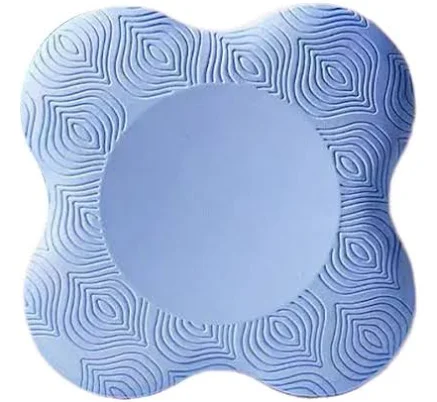
Tpe Yoga Mat · Yoga & Exercise Mats
Tpe Yoga Mat with Joint Protection, Anti-Slip and Shock Absorption for Yoga and Other Leisure Sports
TPE mats typically lower PFAS risk, but coating unspecified.
TPE is an inherently lower-concern material for yoga mats. However, the brand discloses nothing about coatings or treatments, leaving uncertainty about anti-slip and shock layers.
The better-graded swap
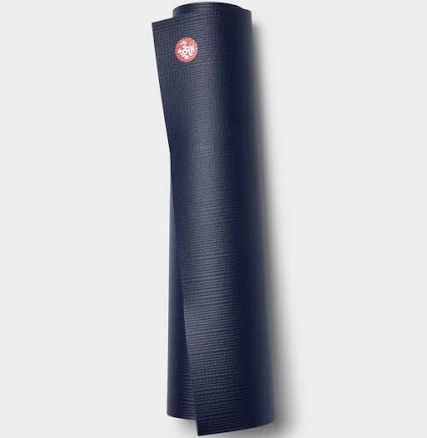
Manduka
Manduka Almost Perfect PRO Yoga Mat
100/100 safety
Same rubric that flunked this product. The swap earned Excellent.
Still want this one anyway? Check the price on Amazon. We’d swap it.
Material
TPE (thermoplastic elastomer), unspecified coating
Brand disclosure
Brand is silent on PFAS
Lab data
No public lab test
You may also be interested in
Top-graded picks in the categories readers replace first, every one scored on the same rubric.

- polypropylene filter housing, carbon/sediment cartridge
- We found no PFAS statement from the brand
- Bacterial growth in spent cartridges
3 hazards checked on this product, all on its full breakdown.

Aquasure
Premier Series 75 GPD Under Sink Reverse Osmosis Water Filtration System
- RO membrane, carbon filters, stainless steel housing
- We found no PFAS statement from the brand
- Bacterial and microbial growth in housing and filters
4 hazards checked on this product, all on its full breakdown.

Avocado
Vegan Mattress
- organic cotton, natural latex, coconut coir, recycled steel coils
- The brand calls it PFAS-free, which we have not verified
- Heavy metals
2 hazards checked on this product, all on its full breakdown.
What Tpe Yoga Mat with Joint Leisure Sports is made of, ingredients and materials
TPE (thermoplastic elastomer) is a synthetic rubber-plastic hybrid that does not contain PVC or latex, making it inherently more stable than older yoga mat materials. TPE itself is not known to off-gas formaldehyde or volatile organic compounds at normal room temperature. However, this product lists an unspecified coating for anti-slip and shock absorption, which is the actual chemical unknown; coatings can include polyurethane, rubber compounds, or proprietary blends that may release VOCs, particularly when new or heated.
What’s concerning
Category baseline
The starting point for this type of product, before anything specific to this product is counted.
No PFAS disclosure
No public statement from the brand about PFAS in this product.
Unknown / proprietary coating
A coating is recorded with no disclosed chemistry.
Volatile organic compounds (VOCs) from unspecified coating
The anti-slip and shock-absorption coating is not chemically identified. Polyurethane, rubber, or proprietary additive coatings commonly used on budget TPE mats may release low-level VOCs (especially on first use or when heated), causing headache or respiratory irritation in poorly ventilated spaces.
Degradation and microparticle shedding over time
Unspecified TPE mat coatings are prone to peeling, flaking, or tacky breakdown after 12-24 months of regular use. Shed particles may be inhaled during or after yoga practice; while toxicity is generally low-level, accumulation in the lungs is a minor chronic concern with long-term use.
Flame retardants
The 'joint protection' and 'anti-slip' claims suggest additive treatments, which may include brominated or chlorinated flame retardants or antimicrobial silver/triclosan compounds. No disclosure is provided, so presence and type are unknown.
Source, EPA ↗Allergens or skin sensitizers in coating contact
Direct skin contact during yoga use exposes users to the unspecified coating. TPE itself is hypoallergenic, but coatings may contain isocyanates, accelerators, or rubber antioxidants that trigger contact dermatitis in sensitive individuals.
What’s reassuring
Formaldehyde / VOCs
TPE itself does not require formaldehyde for curing, and no public recalls or complaints link this product to formaldehyde. However, some budget mat coatings may incorporate formaldehyde-based adhesives; without material disclosure, this cannot be ruled out.
Source, ATSDR ↗How is this PFAS grade calculated?
The brand's record and disclosure
The brand 'TPE Yoga Mat' appears to be a generic product identifier rather than an established named manufacturer with public certifications or known safety documentation. No independent third-party certifications (such as Oeko-Tex, GOTS, or Consumer Product Safety Commission recalls) are on public record for this specific product line. The silent stance on PFAS and absence of material transparency about the coating formulation and any antimicrobial or flame-retardant treatments limits confidence in chemical safety claims.
How it compares in its category
TPE mats occupy a mid-range position in yoga mat concern, they are linked to lower concern than PVC mats (which can off-gas phthalates and chlorine) but less transparent than premium brands that publish third-party test results. Natural rubber and cork mats tend to have lower chemical hazard profiles, though they cost more and wear faster. Budget TPE mats like this one often skip detailed coating disclosure, making them higher-risk than name-brand TPE alternatives with published material safety data.
If you buy it
Unroll and air the mat outdoors in sunlight for 24-48 hours before first use to allow initial off-gassing of coating volatiles. Avoid direct contact with heat sources and do not leave it in hot cars or direct sunlight for extended periods, as TPE can soften and degrade. Clean only with mild soap and water; harsh chemicals or high heat will degrade the coating faster. Replace the mat every 1-2 years or sooner if you notice visible peeling, tackiness loss, or persistent chemical odor that does not fade after airing.
What is not known about PFAS in this product?
- Basis
- Model estimate, 55% confidence, not a lab result
- Lab test
- None on record for this exact product
- Brand statement
- Tpe Yoga Mat has made none
Formulations change between production runs, so check the current label. How we grade.
What are the PFAS-free alternatives to Tpe Yoga Mat with Joint Protection, Anti-Slip and Shock Absorption for Yoga and Other Leisure Sports?
- closed-cell PVC-free foam, rubber top
- A third party reports verifying it as PFAS-free
- Formaldehyde / VOCs
3 hazards checked on this product, all on its full breakdown.
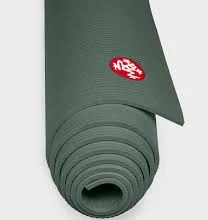
Manduka
Almost Perfect PROlite Yoga Mat
- Natural rubber and PVC, no Teflon-family coating
- A third party reports verifying it as PFAS-free
- Volatile organic compounds (VOCs) from natural rubber
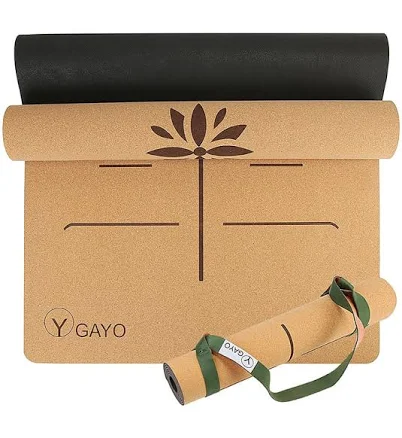
- natural tree rubber, cork surface
- We found no PFAS statement from the brand
- Microbial growth (mold, mildew)
3 hazards checked on this product, all on its full breakdown.
More yoga & exercise mats grades
How we score, every product runs through the same public 0-100 rubric based on materials, coatings, brand disclosure, lab findings, and recalls. See the full methodology → Spotted a mistake? Report an error.