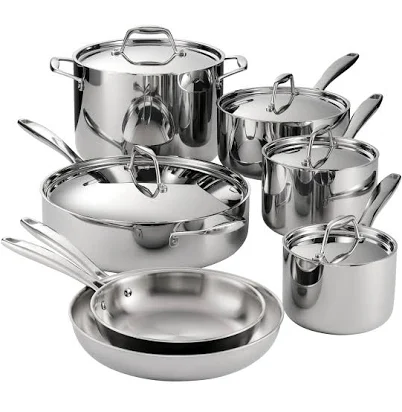
Tramontina Gourmet 12 Piece Tri-Ply Clad Stainless Steel Cookware Set
Lower PFAS concern. Bare stainless steel cookware has no nonstick or Teflon-family coating coatings.
This tri-ply clad stainless steel cookware contains no nonstick coating or applied surface treatments. Bare stainless steel cookware poses lower PFAS risk than Teflon-type coating-coated alternatives.
We flunk more products than we pass. This one earned its grade. How we grade
Material
Stainless steel tri-ply clad, bare uncoated surfaces
Lab data
No public lab test
Is Tramontina Gourmet 12 Piece Tri-Ply Clad non-toxic? What it is made of
This cookware uses a tri-ply construction, stainless steel exterior and interior bonded to an aluminum core. Bare stainless steel has no organic coatings, glazes, or enamel layers, which eliminates the primary vectors for ceramic-glaze contaminants (lead/cadmium) and Teflon-type coating degradation. The aluminum core is fully encapsulated between stainless layers, preventing direct contact with food. This design represents a lower concern approach in modern cookware.
What’s concerning
Category baseline
Cookware is a category where PFAS exposure is more common.
No PFAS disclosure
No public statement about PFAS in this product.
Aluminum core leaching
The aluminum core is encapsulated and should not contact food directly. Risk is minimal with intact tri-ply bonding, but if the stainless cladding is damaged or the bond fails over time, acidic foods (tomatoes, vinegar, citrus) could interact with exposed aluminum. No recalls on record for this product.
Nickel leaching from stainless steel
Stainless steel cookware can release trace nickel into food, especially with prolonged contact, acidic foods, or high heat. The amount is generally far below regulated dietary limits. Individuals with severe nickel sensitivity should be cautious. No specific leaching data published for Tramontina's alloy composition.
Tri-ply bond failure and delamination
Repeated thermal shock (rapid heating and cooling) or exposure to very high temperatures can theoretically stress the solder or adhesive bonding the layers. This is rare in normal use but would trigger visible warping or bubbling. Replace if the bottom begins to separate.
What’s reassuring
Bare uncoated material
Bare, uncoated material (cast iron, stainless, carbon steel, or glass) with no surface treatment to contain PFAS.
Coating degradation (none present)
Uncoated stainless steel does not have an enamel, ceramic, or polymer topcoat to chip, peel, or degrade. This eliminates flaking particulate hazards common in enameled or ceramic cookware.
Lead
This product has no glaze, enamel, or ceramic coating layers, so traditional ceramic-based contamination pathways do not apply.
Source, ATSDR ↗The full breakdown
The brand's record and disclosure
Tramontina is a Brazil-based cookware manufacturer with a substantial US retail presence (sold in Target, Walmart, Amazon). The brand does not publicly issue detailed material safety certifications or PFAS transparency statements. No major product recalls related to leaching, coating failure, or contamination have been widely documented for this tri-ply line. The company maintains basic FDA compliance for food-contact surfaces but does not volunteer third-party testing data.
How it compares in its category
Tri-ply uncoated stainless steel is a middle-ground choice, lower concern than nonstick (which carries Teflon-type coating fume risk and degradation concerns) but requires more skill than nonstick to prevent sticking. It avoids the durability problems of enameled cast iron or ceramic coatings, which can chip and expose underlying metal. It is costlier than single-layer stainless but substantially cheaper than premium clad cookware (All-Clad, Demeyere), making it a practical value option.
If you buy it
Use medium to medium-high heat; stainless steel tri-ply spreads heat efficiently, reducing the need for high temperatures. Hand wash or gentle machine cycles to preserve the bond between layers; prolonged dishwasher exposure can degrade the seal over decades. Oil or butter helps prevent sticking on bare stainless surfaces. Replace pots if the bottom shows signs of delamination (bubbling, warping, or separation of layers), though this is rare with tri-ply construction.
What we don’t know
- Basis
- Model estimate, 82% confidence, not a lab result
- Lab test
- None on record for this exact product
- Brand statement
- Tramontina has made a specific claim
Formulations change between production runs, so check the current label. How we grade.
Better-graded alternatives in Cookware
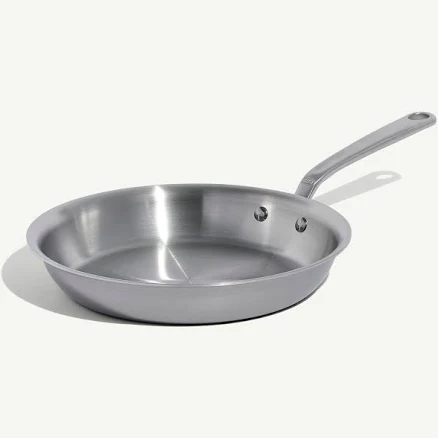
Made In
Stainless Clad Fry Pan
- Stainless steel clad construction, no nonstick coating
- The brand calls it PFAS-free, which we have not verified
- Clad separation or delamination over time
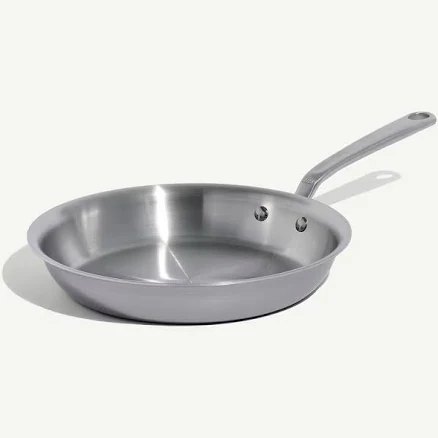
Made In
10' Stainless Clad Frying Pan
- stainless steel clad construction, no nonstick coating
- The brand calls it PFAS-free, which we have not verified
- Nickel leaching from stainless steel
3 hazards checked on this product. See all of them.
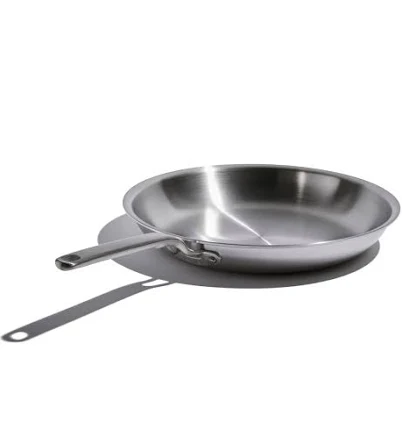
Heritage Steel
Eater Fry Pan
- Clad stainless steel, no coating
- The brand calls it PFAS-free, which we have not verified
- Metal ion release during cooking (iron, nickel, chromium)
More cookware grades
How we score, every product runs through the same public 0-100 rubric based on materials, coatings, brand disclosure, lab findings, and recalls. See the full methodology → Spotted a mistake? Report an error.