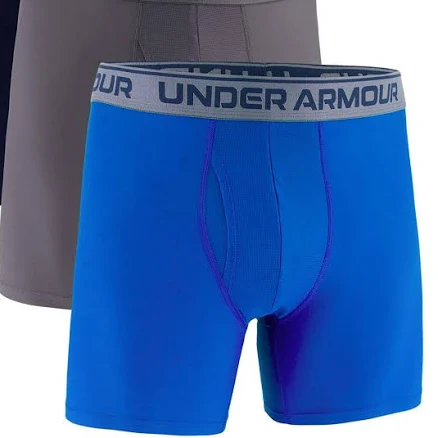
Under Armour · Sports Performance Undergarments
Under Armour Men's 3-Units Boxer Brief
Lower concern, but no public PFAS transparency from brand.
This polyester-nylon-elastane boxer brief has no water-resistant or stain treatments typically linked to PFAS. Under Armour offers no public PFAS disclosure for this product.
Still want this one anyway? Check the price on Amazon. We’d swap it.
Material
polyester/nylon blend with elastane
Brand disclosure
Brand is silent on PFAS
Lab data
No public lab test
What Under Armour Men's 3-Units Boxer Brief is made of, ingredients and materials
This product is a polyester-nylon-elastane blend, a common synthetic base for athletic underwear. Polyester itself is chemically stable in normal wear; the elastane (spandex) provides stretch but is a minor component and not a primary leaching concern at skin contact. Nylon adds durability and moisture-wicking. The blend poses lower inherent chemical hazard compared to rigid cookware or cosmetics, but synthetic fibers can trap moisture and heat near skin, which may elevate discomfort for some users rather than toxicity risk.
What’s concerning
Category baseline
The starting point for this type of product, before anything specific to this product is counted.
No PFAS disclosure
No public statement from the brand about PFAS in this product.
Formaldehyde / VOCs
Synthetic apparel sometimes receives formaldehyde-based finishing to improve shape retention. No formaldehyde finish is documented on this specific product line; polyester-elastane blends typically require minimal finishing compared to cotton. Risk is low but not ruled out without direct brand disclosure.
Source, ATSDR ↗Heavy metals
Polyester is synthesized using antimony trioxide as a catalyst. Residual antimony can remain in finished fabric at trace levels. Skin contact risk is theoretical and not documented to cause harm in normal wear conditions; migration is not established as a pathway in underwear use.
Source, FDA ↗Elastane (spandex) degradation from heat and chlorine
Elastane in swimwear and fitted garments is known to degrade when exposed to high heat, chlorine, or harsh detergents, reducing performance. This is a functional degradation issue rather than acute toxicity, but degraded spandex may release microfibers.
Microfiber shedding during wash
All synthetic textiles shed microfibers, especially early in life. Polyester-elastane blends contribute to this; the hazard is environmental (waterway accumulation) rather than direct skin toxicity, but shedding can increase with washing frequency and heat.
What’s reassuring
Base material not linked to PFAS
The main material recorded for this product is not one associated with PFAS.
Azo dyes (carcinogenic degradation products)
No safety alerts or recalls for azo dyes in Under Armour boxer briefs exist in public records. Apparel manufacturers worldwide now largely avoid banned azo compounds due to regulatory pressure and reputational risk, though full supply-chain verification is not transparent for this product.
The full breakdown
The brand's record and disclosure
Under Armour has not published detailed chemical disclosure or certifications (OEKO-TEX, bluesign) for their core product lines as a standard practice. The brand maintains Silent stance on PFAS use in apparel, consistent with most athletic wear manufacturers who do not proactively disclose water/stain resistance treatments. No major recalls or documented chemical safety controversies specific to Under Armour boxer briefs are on public record. Absence of disclosure does not confirm presence of concern, but limits third-party verification.
How it compares in its category
Synthetic boxer briefs are the category standard; polyester-elastane blends are universal across mass-market athletic underwear (Nike, Adidas, Hanes). This product sits in mainstream safety profile for the category with no documented elevations in formaldehyde-resin finishing, azo dye content, or antimony levels compared to peers. Brands with explicit chemical certifications (e.g., organic cotton alternatives, OEKO-TEX labeled) offer higher transparency but at higher price and lower performance in moisture management. This product reflects typical risk tolerance for conventional athletic wear.
If you buy it
Wash before first wear to remove manufacturing residues and reduce skin sensitivity risk. Use cool or warm water (not hot) to preserve elastane integrity and avoid potential off-gassing of any finishes. Avoid high-heat drying; air dry or low heat extends lifespan and minimizes thermal degradation of synthetic fibers. Replace when elastic loses shape or material shows pilling or thinning; these are wear triggers, not toxicity signals. Normal laundering with standard detergent requires no special precautions.
What we don’t know
- Basis
- Model estimate, 72% confidence, not a lab result
- Lab test
- None on record for this exact product
- Brand statement
- Under Armour has made none
Formulations change between production runs, so check the current label. How we grade.
More sports performance undergarments grades
How we score, every product runs through the same public 0-100 rubric based on materials, coatings, brand disclosure, lab findings, and recalls. See the full methodology → Spotted a mistake? Report an error.