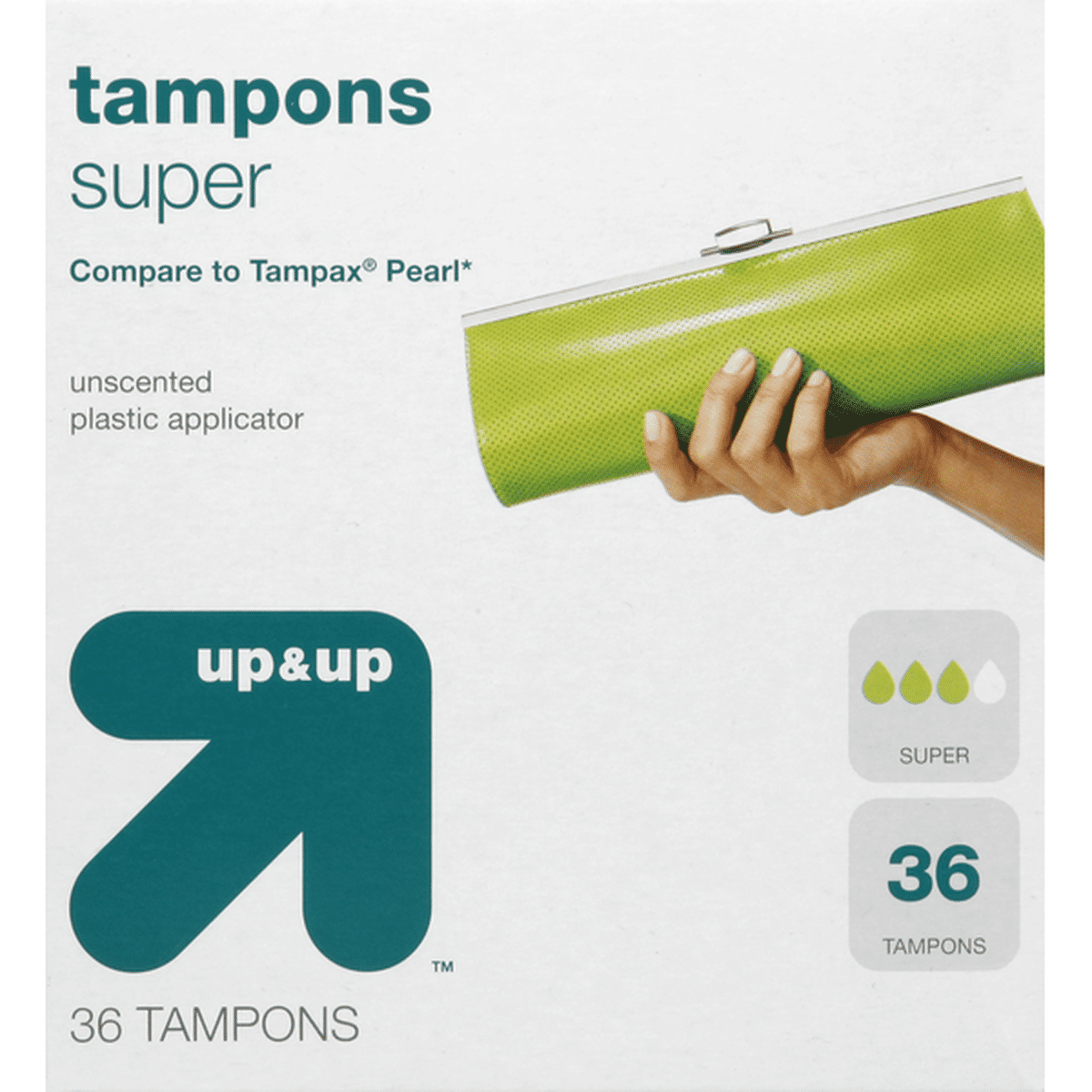
Up & Up Regular Tampons
Lower concern. Standard tampon materials unlikely to contain PFAS.
Up & Up tampons use conventional cotton and rayon materials with no known PFAS treatments. No brand disclosure exists, but the product category and materials pose lower PFAS risk than water-resistant or coated products.
We flunk more products than we pass. This one earned its grade. How we grade
Material
rayon/viscose, cotton, polyester, cardboard applicator
Brand disclosure
Brand is silent on PFAS
Lab data
No public lab test
You may also be interested in
Top-graded picks in the categories readers replace first, every one scored on the same rubric.

- polypropylene filter housing, carbon/sediment cartridge
- We found no PFAS statement from the brand
- Bacterial growth in spent cartridges
3 hazards checked on this product, all on its full breakdown.

Aquasure
Premier Series 75 GPD Under Sink Reverse Osmosis Water Filtration System
- RO membrane, carbon filters, stainless steel housing
- We found no PFAS statement from the brand
- Bacterial and microbial growth in housing and filters
4 hazards checked on this product, all on its full breakdown.

Avocado
Vegan Mattress
- organic cotton, natural latex, coconut coir, recycled steel coils
- The brand calls it PFAS-free, which we have not verified
- Heavy metals
2 hazards checked on this product, all on its full breakdown.
What Up & Up Regular Tampons is made of, ingredients and materials
Up & Up Regular Tampons combine rayon and cotton in the absorbent core with a polyester cover layer and cardboard applicator. Rayon (regenerated cellulose) is a common, well-established material in menstrual products; cotton adds absorbency and biocompatibility. Polyester provides fluid retention and structural integrity. The cardboard applicator avoids plastic concerns but offers no chemical surface treatment on record for this product.
What’s concerning
Category baseline
The starting point for this type of product, before anything specific to this product is counted.
No PFAS disclosure
No public statement from the brand about PFAS in this product.
Dioxin and chlorine residues from bleaching
Rayon and cotton in conventional tampons are typically chlorine-bleached during manufacturing. Up & Up does not disclose bleaching method or dioxin testing. Industry-wide traces are generally far below health-risk thresholds, but detailed testing data for this specific product is not publicly available.
Pesticide residue
Up & Up tampons do not claim organic or pesticide-tested cotton. Conventional cotton may carry residual pesticides; the absorbent fibers in direct contact with mucous tissue could theoretically present exposure. No testing results or incidents are on record for this product.
Source, EPA ↗Toxic shock syndrome risk (use-related, not material-specific)
All tampons, including Up & Up, carry an inherent small TSS risk if left in place too long or if user has prior colonization with Staphylococcus aureus. Risk is behavioral and hygiene-dependent, not a defect in this product's materials.
What’s reassuring
Base material not linked to PFAS
The main material recorded for this product is not one associated with PFAS.
Rayon/viscose fiber irritation or allergic response
Rayon is hypoallergenic for the vast majority of users. Individual sensitivity or allergic contact dermatitis is rare but possible; no elevated incident rate is documented for Up & Up or similar products.
Cardboard applicator structural integrity or splinters
Cardboard applicators are standard and pose minimal chemical risk. No splinter or integrity complaints are on record for Up & Up. Quality control for cardboard firmness and smoothness is not publicly disclosed but aligns with commodity expectations.
How is this PFAS grade calculated?
The brand's record and disclosure
Up & Up (Target's private label) does not publicly disclose detailed material sourcing, pesticide residue testing, or bleaching methods for this product. No recalls or safety warnings are on record for Up & Up tampons. The brand does not claim organic, non-GMO, or hypoallergenic status, indicating standard commercial processing rather than premium vetting. Transparency around manufacturing inputs and contaminant testing remains minimal compared to premium period-care brands.
How it compares in its category
Up & Up Regular Tampons use materials and construction typical of mass-market tampons in the United States; rayon/cotton blends are industry standard. Competing conventional products (Tampax, Kotex) share similar material profiles and lack detailed public disclosure. Differentiation in the category tilts toward brands emphasizing organic cotton, dioxin testing, or plastic-free applicators; Up & Up positions as a budget alternative without those claims.
If you buy it
Store tampons in a cool, dry location away from direct sunlight to prevent moisture absorption and degradation. Use within the product's shelf life (typically 3-5 years). Follow insertion and removal instructions to minimize abrasion and irritation. If you experience allergic reactions, rash, or unusual symptoms, discontinue use and consult a healthcare provider; sensitivity may reflect individual response rather than product defect. Change tampons every 4-8 hours to reduce toxic shock syndrome risk, regardless of absorbency level.
What is not known about PFAS in this product?
- Basis
- Model estimate, 72% confidence, not a lab result
- Lab test
- None on record for this exact product
- Brand statement
- up&up has made none
Formulations change between production runs, so check the current label. How we grade.
What are the PFAS-free alternatives to Up & Up Regular Tampons?
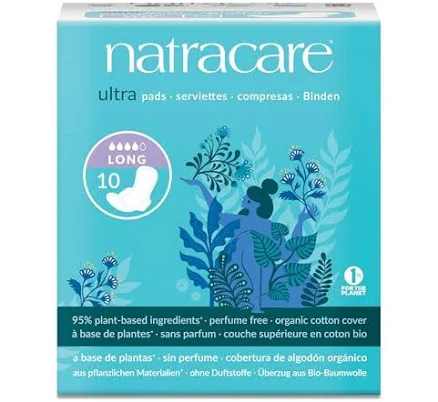
- A third party reports verifying it as PFAS-free
- Fragrance allergens (if scented variant)
2 hazards checked on this product, all on its full breakdown.
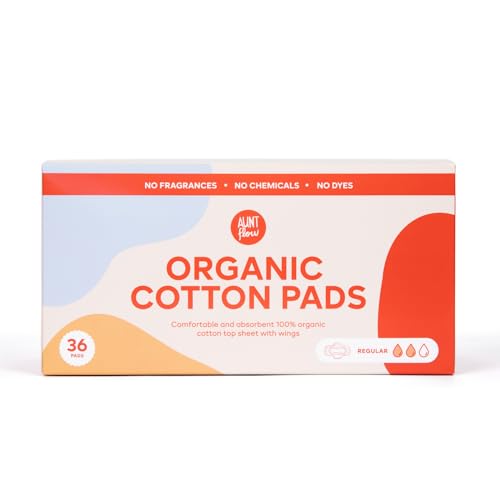
- organic cotton with natural fibers
- The brand calls it PFAS-free, which we have not verified
- Microplastics
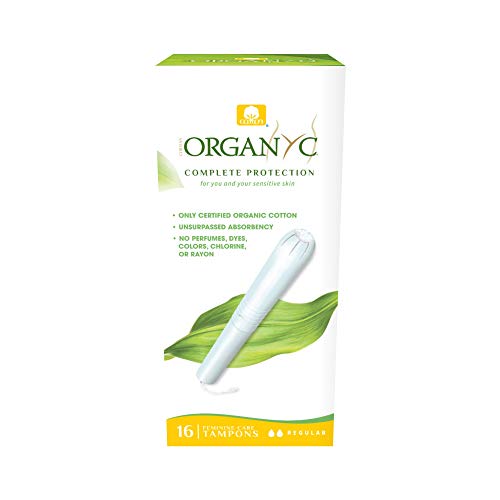
Organyc
100% Certified Organic Cotton Tampons Cardboard Applicator
- 100% organic cotton with cardboard applicator
- We found no PFAS statement from the brand
- Cardboard applicator structural integrity over time
More period care grades
 100Seventh Generation Maxi Pads - Overnight
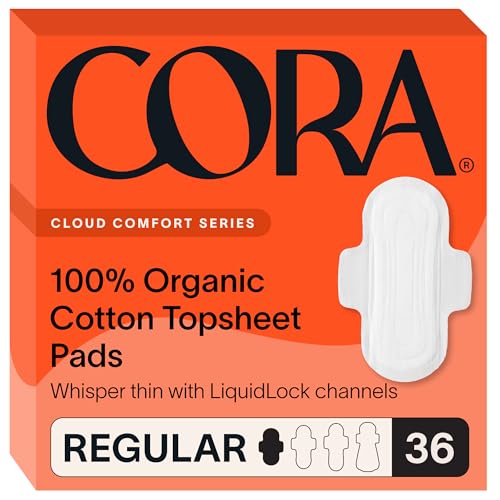 70Cora Organic Cotton Pads
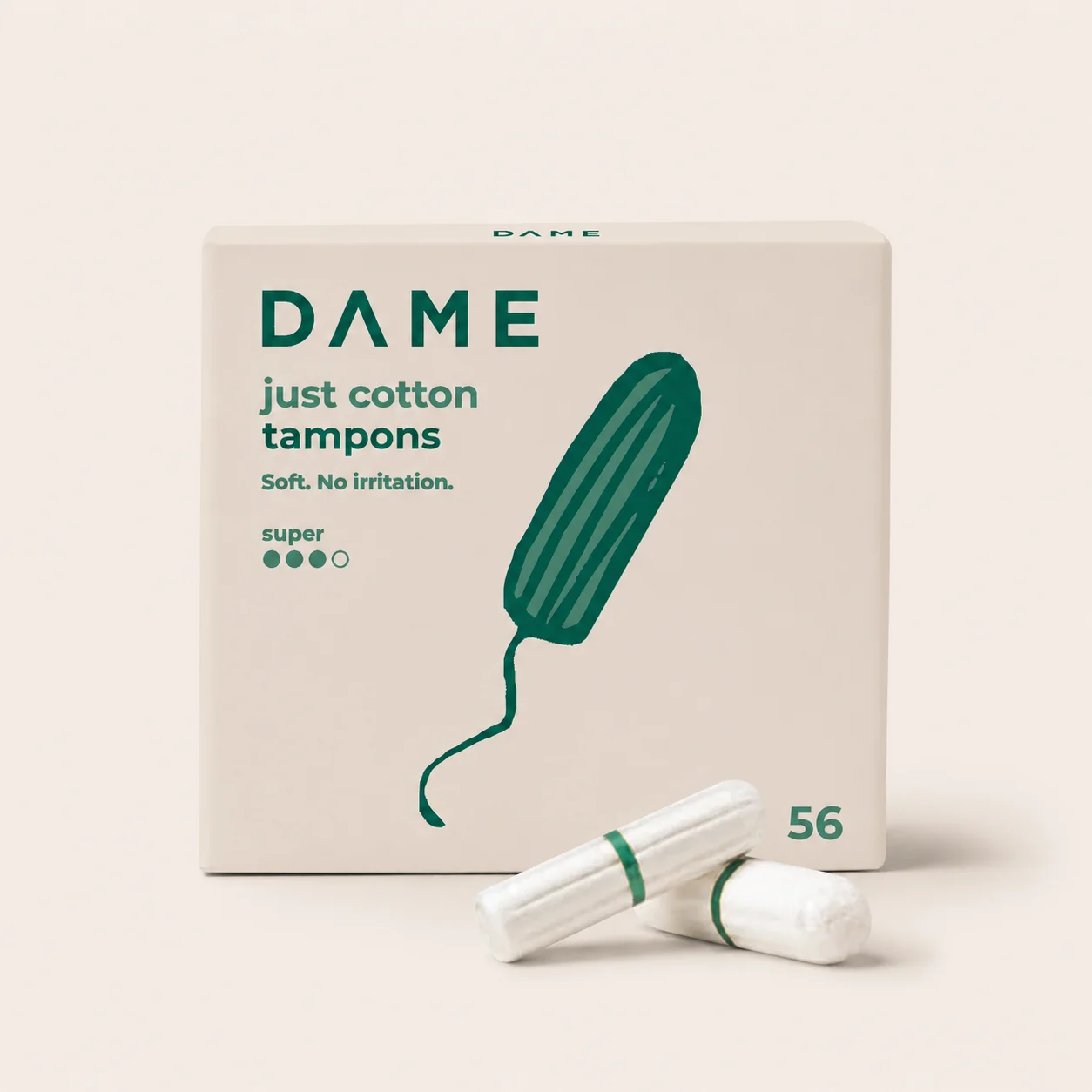 70Dame Organic Cotton Tampons
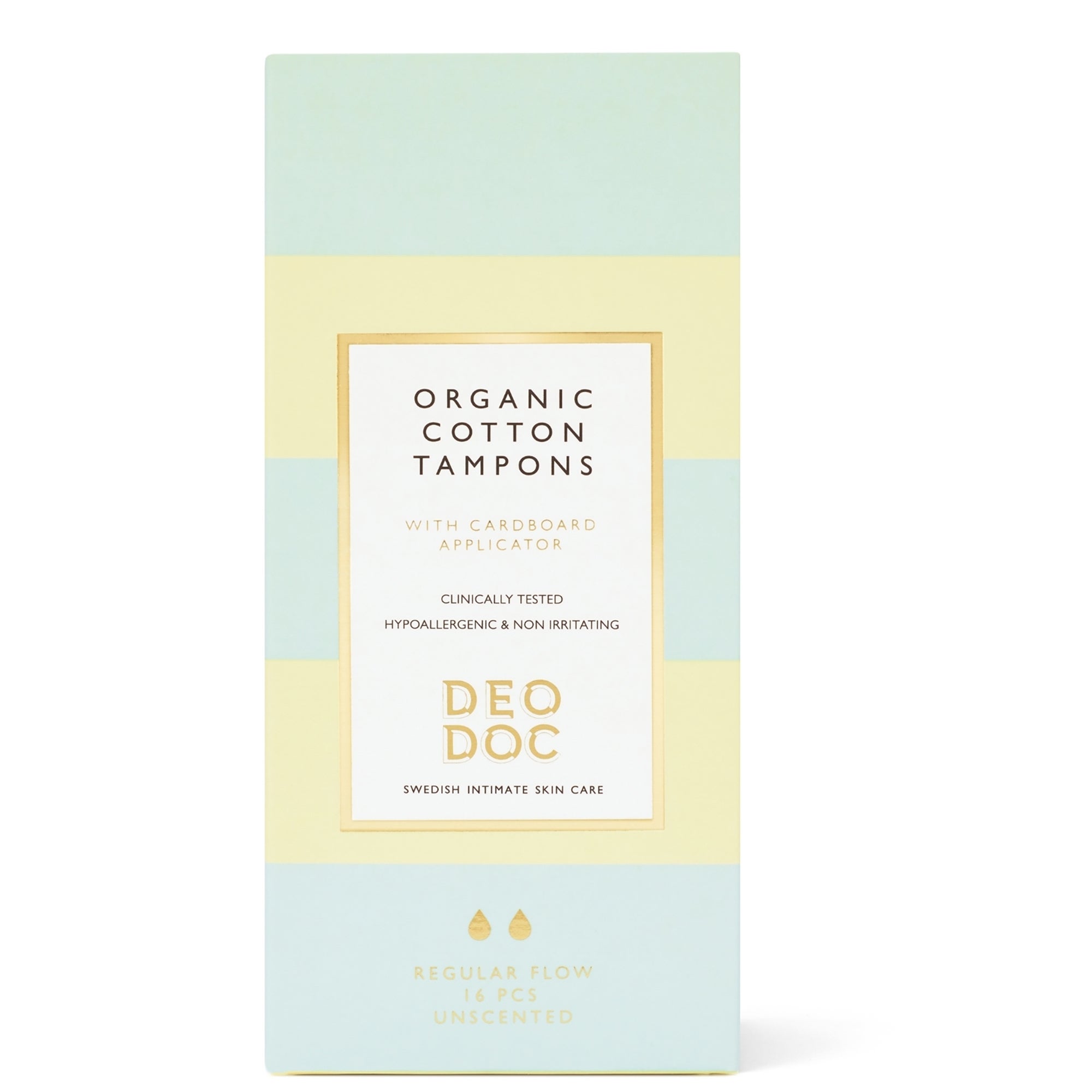 70DeoDoc Cotton Tampons
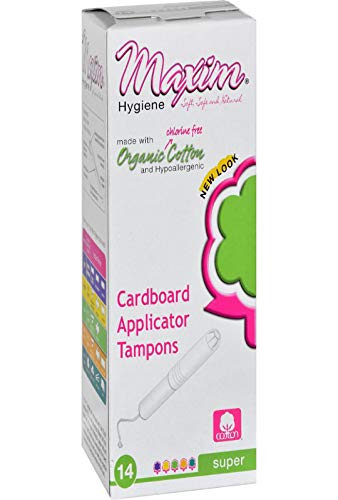 70Maxim Hygiene Organic Cotton Cardboard Applicator Tampons
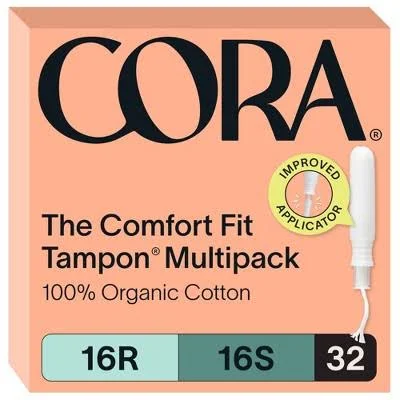 70Cora Organic Tampons
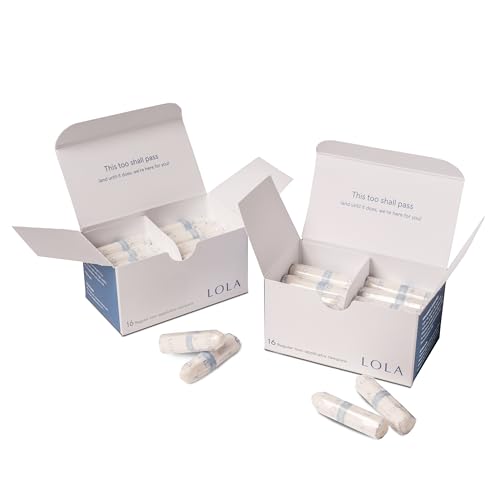 70Lola 100% Organic Cotton Tampons Applicator Free
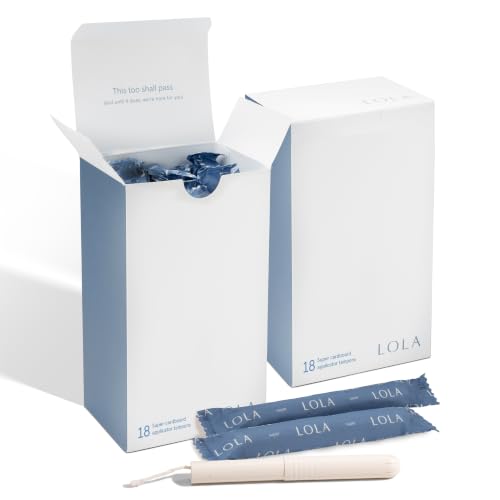 70Lola 100% Organic Cotton Tampons Cardboard Applicator
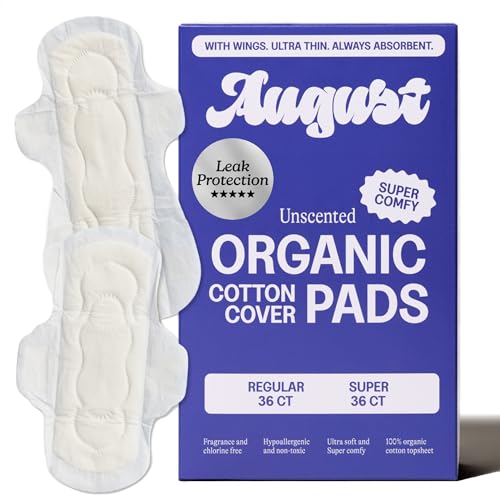 70August Organic Cotton Top Layer Pads, 36-Pack Regular
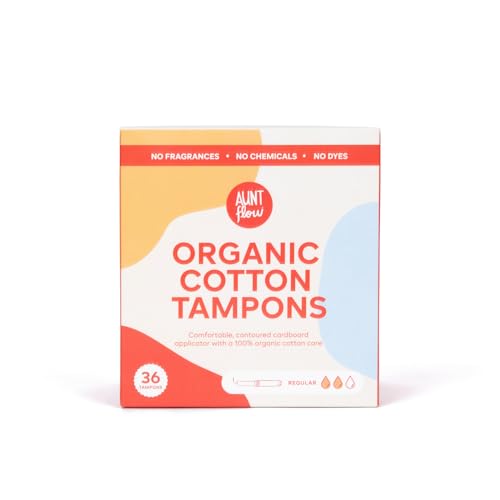 70Aunt Flow Organic Cotton Cardboard Applicator TamponsCompare vs Natracare →All period care →
How we score, every product runs through the same public 0-100 rubric based on materials, coatings, brand disclosure, lab findings, and recalls. See the full methodology → Spotted a mistake? Report an error.