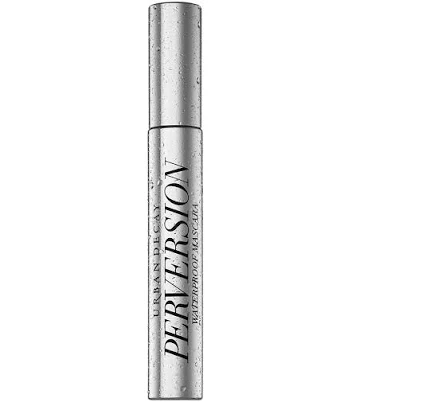
Urban Decay · Waterproof Mascara
Urban Decay Perversion Waterproof Mascara
Waterproof cosmetics use unclear coatings; limited public data available.
Urban Decay does not disclose PFAS presence or absence in this waterproof mascara. Waterproof cosmetics commonly contain Teflon-family coating or PFAS-based water-resistant agents, but brand transparency is absent here.
The better-graded swap
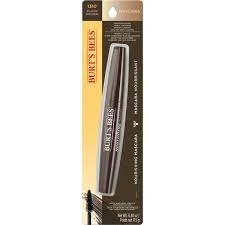
Burt's Bees
Burt's Bees 100% Natural Nourishing Mascara, Black Brown
75/100 safety
Same rubric that flunked this product. The swap earned Excellent.
Still want this one anyway? Check the price on Amazon. We’d swap it.
Material
polymeric film-forming agents, waxes, unspecified waterproofing
Brand disclosure
Brand is silent on PFAS
Lab data
No public lab test
You may also be interested in
Top-graded picks in the categories readers replace first, every one scored on the same rubric.

- polypropylene filter housing, carbon/sediment cartridge
- We found no PFAS statement from the brand
- Bacterial growth in spent cartridges
3 hazards checked on this product, all on its full breakdown.

Aquasure
Premier Series 75 GPD Under Sink Reverse Osmosis Water Filtration System
- RO membrane, carbon filters, stainless steel housing
- We found no PFAS statement from the brand
- Bacterial and microbial growth in housing and filters
4 hazards checked on this product, all on its full breakdown.

Avocado
Vegan Mattress
- organic cotton, natural latex, coconut coir, recycled steel coils
- The brand calls it PFAS-free, which we have not verified
- Heavy metals
2 hazards checked on this product, all on its full breakdown.
What Urban Decay Perversion Waterproof Mascara is made of, ingredients and materials
Urban Decay Perversion uses film-forming polymers and waxes to create a waterproof barrier on lashes; the specific polymer identity and waterproofing agent(s) are not publicly disclosed by the brand. Waterproof mascaras typically rely on synthetic resins or silicone-based polymers to resist water, and the exact chemistry affects how easily the product can be removed and whether volatile organic compounds (VOCs) off-gas during application. The lack of transparency on waterproofing chemistry is common in this product class but limits independent safety assessment.
What’s concerning
Waterproof / stain-resistant treatment
Water-repellent coating treatments have historically used PFAS.
Category baseline
The starting point for this type of product, before anything specific to this product is counted.
No PFAS disclosure
No public statement from the brand about PFAS in this product.
Fragrance allergens and undisclosed fragrance components
Urban Decay lists 'fragrance' in the INCI but does not itemize specific scent compounds; mascara is applied near sensitive eye tissue, and fragrance components (especially cinnamal, limonene, linalool) can trigger allergic contact dermatitis or eye irritation in susceptible individuals.
Formaldehyde / VOCs
Waterproof mascara formulas commonly use formaldehyde-releasing preservatives (e.g., imidazolidinyl urea, dmdm hydantoin) to prevent microbial growth in wet emulsions; Urban Decay does not publicly confirm or exclude these agents, and eye-adjacent application increases inhalation and dermal exposure risk.
Source, ATSDR ↗Incomplete removal and polymer residue buildup
Waterproof mascaras are known to be difficult to remove completely; residual polymer on the lash line can irritate the eyelid margin and meibomian glands over weeks of use, potentially contributing to blepharitis or dry eye symptoms if hygiene is poor.
Volatile organic compounds (VOCs) from film-forming resins
Synthetic polymers and some wax solvents can off-gas low levels of VOCs during application or storage in warm conditions; exposure is brief and dermal/ocular rather than respiratory, but in poorly ventilated spaces (e.g., bathroom without exhaust) minor inhalation is possible.
What’s reassuring
Heavy metals
No recalls or test reports of lead, cadmium, or iron oxide contamination in Perversion Mascara are on public record. Urban Decay sources from regulated cosmetics manufacturers in the US and EU, where pigment testing is routine, but full metal testing data is not disclosed.
Source, FDA ↗How is this PFAS grade calculated?
The brand's record and disclosure
Urban Decay has not publicly disclosed detailed ingredient sourcing, manufacturing safety data, or specific polymer identities for Perversion Mascara. The brand does not appear to hold third-party certifications (such as EWG Verified or Leaping Bunny) that would indicate extra scrutiny of formulation safety. No major safety recalls or contamination incidents are on record for this specific mascara, though Urban Decay's parent company (Estee Lauder) has faced isolated quality disputes in other product lines.
How it compares in its category
Most waterproof mascaras rely on proprietary polymer and wax blends; Perversion is typical in this respect. Brands with higher transparency (e.g., Sephora Collection, some indie brands) publish more complete ingredient lists or INCI declarations. Waterproof mascaras as a category carry inherently higher PFAS contamination risk than non-waterproof formulas due to water-repellent coating technology, making Perversion's poor PFAS grade consistent with sector norms rather than a brand outlier.
If you buy it
Remove thoroughly every night with micellar water or oil cleanser to minimize residue buildup on the lash line and reduce eye irritation risk. Avoid touching the eye area immediately after application to limit transfer of undried polymer to the conjunctiva. If you experience redness, itching, or irritation, discontinue and switch to a non-waterproof alternative. Replace the mascara every 3 months to avoid bacterial colonization of the wet formula in the tube.
What is not known about PFAS in this product?
- Basis
- Model estimate, 35% confidence, not a lab result
- Lab test
- None on record for this exact product
- Brand statement
- Urban Decay has made none
Formulations change between production runs, so check the current label. How we grade.
What are the PFAS-free alternatives to Urban Decay Perversion Waterproof Mascara?
- Wax, pigments, natural oils (typical mascara base)
- Fragrance allergens and undisclosed sensitizers
2 hazards checked on this product, all on its full breakdown.
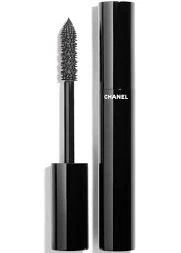
- pigments, waxes, polymers (unspecified)
- Lead
5 hazards checked on this product, all on its full breakdown.
Find an alternative on Amazon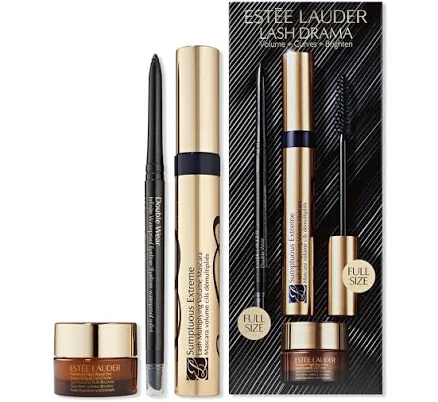
- pigments, waxes, film-formers in liquid mascara
- Heavy metals
5 hazards checked on this product, all on its full breakdown.
Find an alternative on AmazonMore waterproof mascara grades
How we score, every product runs through the same public 0-100 rubric based on materials, coatings, brand disclosure, lab findings, and recalls. See the full methodology → Spotted a mistake? Report an error.