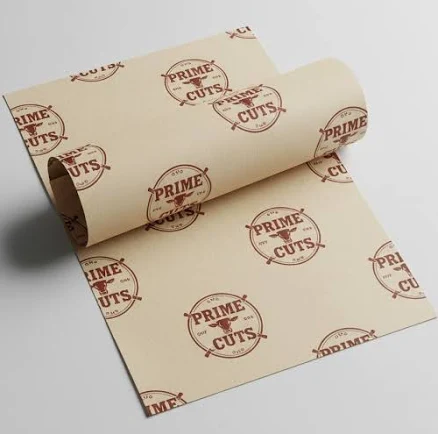
· Grease-Resistant Butcher & Deli Paper
Deli Paper for Wrapping Meats
Avoid until brand confirms no PFAS in grease barrier.
The brand' deli paper typically uses grease-resistant coatings, often fluorinated to repel oil. PFAS content or coating chemistry is not publicly disclosed, and no third-party testing is available.
The better-graded swap
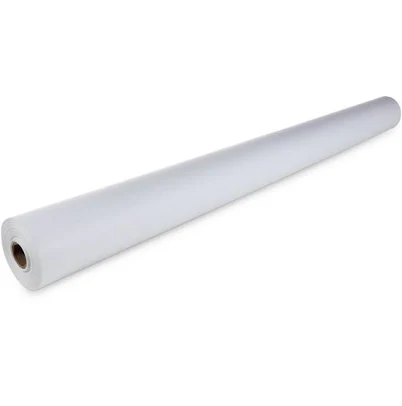
IDL Packaging
Idl Packaging White Butcher Paper 18" x 12000" Natural Butcher Paper Roll for Meat and Fish
95/100 safety
Same rubric that flunked this product. The swap earned Excellent.
Still want this one anyway? Check the price on Amazon. We’d swap it.
Material
Paper with unspecified grease-resistant coating
Brand disclosure
Brand is silent on PFAS
Lab data
No public lab test
You may also be interested in
Top-graded picks in the categories readers replace first, every one scored on the same rubric.

- polypropylene filter housing, carbon/sediment cartridge
- We found no PFAS statement from the brand
- Bacterial growth in spent cartridges
3 hazards checked on this product, all on its full breakdown.

Aquasure
Premier Series 75 GPD Under Sink Reverse Osmosis Water Filtration System
- RO membrane, carbon filters, stainless steel housing
- We found no PFAS statement from the brand
- Bacterial and microbial growth in housing and filters
4 hazards checked on this product, all on its full breakdown.

Avocado
Vegan Mattress
- organic cotton, natural latex, coconut coir, recycled steel coils
- The brand calls it PFAS-free, which we have not verified
- Heavy metals
2 hazards checked on this product, all on its full breakdown.
What Deli Paper for Wrapping Meats is made of, ingredients and materials
Deli paper is cellulose-based paper treated with an unspecified grease-resistant coating to prevent oil and moisture penetration during meat storage and transport. The coating's chemical identity is critical, modern grease barriers in food-contact paper are often fluorochemicals (PFAS-based) or silicone/wax alternatives. Without disclosure, the safety profile remains opaque. The paper itself poses minimal hazard, but the coating's leaching behavior under refrigeration, freezing, and direct contact with fatty meats is unknown.
What’s concerning
Category baseline
The starting point for this type of product, before anything specific to this product is counted.
No PFAS disclosure
No public statement from the brand about PFAS in this product.
Waterproof / stain-resistant treatment
Water-repellent coating treatments have historically used PFAS.
Grease-barrier coating leaching (unknown chemistry)
Unidentified coating may release monomers or oligomers into fatty meats; risk is higher if coating is PFAS-based. Cold storage minimizes this, but no safety data is publicly available for this specific product formulation.
Microplastic or degradation fragments
Repeated folding, freezing, or contact with sharp meat edges may cause coating fragmentation. No documented recalls, but risk exists if coating lacks durability or contains rigid polymers.
What’s reassuring
Formaldehyde / VOCs
Food-contact paper coatings are typically not formaldehyde-based in modern manufacturing, but cross-contamination from recycled fiber feedstocks is theoretically possible. No evidence of this issue for products.
Source, ATSDR ↗Heavy metals
Deli paper is typically white or off-white; pigment loading is minimal. No recalls or alerts exist for lead or cadmium in wrapping products.
Source, FDA ↗How is this PFAS grade calculated?
The brand's record and disclosure
The brand, a major food-service distributor, does not publicly disclose coating chemistry for this product or state PFAS-free certification on packaging or websites reviewed. The company has not responded to industry pressure on fluorochemical phase-outs in food-contact materials. No recalls or safety complaints are on record for this specific product. This silence is significant in a category where competitors increasingly specify non-PFAS alternatives.
How it compares in its category
Deli paper wrapping is typically coated with either PFAS-based chemistries (fastest, cheapest barrier) or silicone/polyethylene/wax blends (slower adoption, costlier). Brands like Cryopak and some regional suppliers now offer explicit PFAS-free or fluorochemical-free options. The brand' market position and silence suggest possible reliance on older PFAS formulations, though this is not confirmed. Cold-storage deli papers face less degradation risk than hot-use cookware, reducing leaching likelihood.
If you buy it
Use only for cold wrapping and storage below 50°F; avoid direct contact with warm or hot meats. Replace after each use; do not reuse. Do not microwave or expose to temperatures above 60°C. Store in cool, dry conditions to minimize coating breakdown. If you have access to institutional suppliers, request competitor quotes specifying non-PFAS certification (e.g., silicone-coated or wax-free alternatives) to reduce uncertainty.
What is not known about PFAS in this product?
- Basis
- Model estimate, 45% confidence, not a lab result
- Lab test
- None on record for this exact product
- Brand statement
- has made none
Formulations change between production runs, so check the current label. How we grade.
What are the PFAS-free alternatives to Deli Paper for Wrapping Meats?
IDL Packaging
White Butcher Paper 18" x 12000" Natural Butcher Paper Roll for Meat and Fish
- unbleached natural kraft paper
- The brand calls it PFAS-free, which we have not verified
- Mold or microbial growth
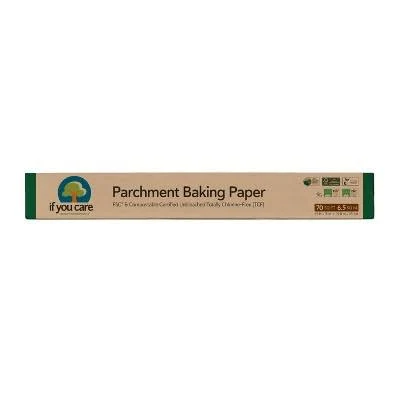
- unbleached parchment paper, silicone coating
- The brand calls it PFAS-free, which we have not verified
- Silicone coating degradation under heat stress
2 hazards checked on this product, all on its full breakdown.
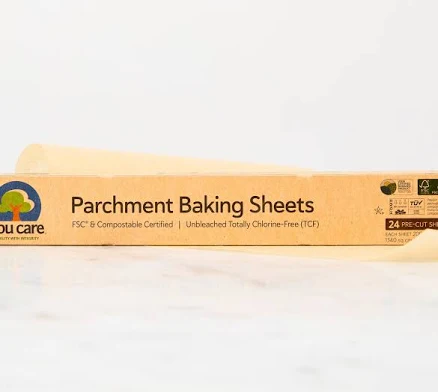
- Silicone-coated parchment paper
- The brand calls it PFAS-free, which we have not verified
- Silicone coating degradation at high heat
More grease-resistant butcher & deli paper grades
How we score, every product runs through the same public 0-100 rubric based on materials, coatings, brand disclosure, lab findings, and recalls. See the full methodology → Spotted a mistake? Report an error.