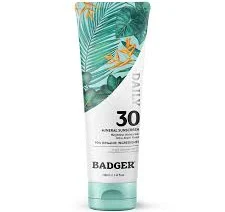
Daily Mineral Sunscreen - SPF 30
Low concern; mineral sunscreens rarely contain PFAS, Vanicream discloses nothing.
Zinc oxide and titanium dioxide mineral filters have no known PFAS association. Mineral sunscreens are generally lower-risk than chemical or spray versions.
We flunk more products than we pass. This one earned its grade. How we grade
Material
mineral sunscreen (zinc oxide/titanium dioxide)
Lab data
No public lab test
You may also be interested in
Top-graded picks in the categories readers replace first, every one scored on the same rubric.

- polypropylene filter housing, carbon/sediment cartridge
- We found no PFAS statement from the brand
- Bacterial growth in spent cartridges
3 hazards checked on this product, all on its full breakdown.

Aquasure
Premier Series 75 GPD Under Sink Reverse Osmosis Water Filtration System
- RO membrane, carbon filters, stainless steel housing
- We found no PFAS statement from the brand
- Bacterial and microbial growth in housing and filters
4 hazards checked on this product, all on its full breakdown.

Avocado
Vegan Mattress
- organic cotton, natural latex, coconut coir, recycled steel coils
- The brand calls it PFAS-free, which we have not verified
- Heavy metals
2 hazards checked on this product, all on its full breakdown.
What Daily Mineral Sunscreen - SPF 30 is made of, ingredients and materials
Vanicream Daily Mineral Sunscreen uses zinc oxide and/or titanium dioxide as active UV blockers, which sit on skin rather than absorbing into it. These minerals are physically reflective rather than chemically reactive, making them stable under heat and sunlight without degrading into secondary hazards. Mineral formulations avoid synthetic organic UV absorbers (oxybenzone, avobenzone) that carry dermal penetration and endocrine concerns. The inert nature of these oxides means minimal risk of ingredient breakdown or leaching during storage or use.
What’s concerning
Category baseline
The starting point for this type of product, before anything specific to this product is counted.
No PFAS disclosure
No public statement from the brand about PFAS in this product.
Heavy metals
Zinc oxide and titanium dioxide are minerals with lower concern at cosmetic concentrations; however, industrial-grade mineral sourcing can occasionally harbor trace cadmium or lead. Vanicream provides no third-party heavy-metal testing disclosure, so residual contamination remains unconfirmed but not reported.
Source, FDA ↗Preservative-related irritation
Vanicream formulations typically use mild preservatives (phenoxyethanol or sodium benzoate); these are low-hazard but can trigger contact dermatitis in rare cases. Individuals with known preservative sensitivities should verify the full ingredient list against their restrictions.
What’s reassuring
Base material not linked to PFAS
The main material recorded for this product is not one associated with PFAS.
Talc contamination in mineral powders
Vanicream does not list talc as an ingredient; mineral sunscreens using pure zinc oxide or titanium dioxide are not inherently talc-contaminated unless explicitly sourced from talc-adjacent ores. No established recall or testing data for this product indicates talc presence.
Fragrance or essential oil allergens
Product is labeled fragrance-free, eliminating the most common dermal sensitizers in sunscreens. No undisclosed fragrance components have been identified in available ingredient lists.
Photocatalytic reactivity of mineral oxides
Uncoated zinc oxide and titanium dioxide can theoretically generate reactive oxygen species under UV; however, cosmetic-grade formulations are stabilized with silicone coatings or humectants to minimize this. No established skin damage reports exist for Vanicream's mineral sunscreen under normal use.
How is this PFAS grade calculated?
The brand's record and disclosure
Vanicream markets itself as a hypoallergenic, dye-free, fragrance-free line with no public PFAS testing or commitments disclosed. The brand has a 40-year track record of formulations designed for sensitive skin, with no significant recall history for safety defects in sunscreen products. However, the company makes no proactive transparency statements about PFAS screening or environmental testing, which limits confidence in due diligence beyond ingredient lists. No third-party certifications (NSF, EWG verification) are listed for this specific product.
How it compares in its category
Mineral sunscreens show lower concern than chemical alternatives due to reduced systemic absorption and lower endocrine-disruption risk. Vanicream's SPF 30 mineral formula aligns with mainstream mineral sunscreen safety profiles; brands like Blue Lizard and Neutrogena Ultra Sheer Dry-Touch (chemical) sit in the same retail tier but involve different hazard trade-offs. Vanicream's lack of fragrance and dyes is a positive differentiator for sensitive-skin users. The main trade-off is that mineral formulas often leave visible white cast and may feel thicker than chemical alternatives.
If you buy it
Apply generously (about 1/4 teaspoon for face) and reapply every 2 hours or after swimming; mineral particles do not degrade with sweat or water exposure the way chemical absorbers can. Store in a cool, dry place away from direct heat; zinc oxide and titanium dioxide are stable at normal temperatures but excessive heat can affect emulsion consistency. Check expiration date before use; sunscreen efficacy declines over time regardless of formulation type. If skin irritation occurs, discontinue and verify no reaction to inert mineral oxides themselves (rare but possible in extreme sensitivities).
What is not known about PFAS in this product?
- Basis
- Model estimate, 72% confidence, not a lab result
- Lab test
- None on record for this exact product
- Brand statement
- Vanicream has made a specific claim
Formulations change between production runs, so check the current label. How we grade.
What are the PFAS-free alternatives to Daily Mineral Sunscreen - SPF 30?
- Mineral sunscreen, zinc oxide base
- A third party reports verifying it as PFAS-free
- 1,4-dioxane (non-intentional contaminant from surfactants/emulsifiers)
2 hazards checked on this product, all on its full breakdown.
- mineral sunscreen (zinc oxide or titanium dioxide base)
- The brand calls it PFAS-free, which we have not verified
- Synthetic fragrance allergens
More sunscreen grades
How we score, every product runs through the same public 0-100 rubric based on materials, coatings, brand disclosure, lab findings, and recalls. See the full methodology → Spotted a mistake? Report an error.