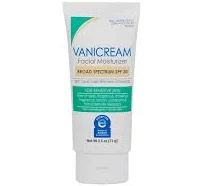
Vanicream Broad Spectrum SPF 30 Facial Moisturizer
Low concern; basic emulsion has no waterproofing or specialized coatings.
This cream uses standard ingredients like water, glycerin, mineral oil, and waxes with no water-repellent or fluorinated polymers. Vanicream emphasizes simple, hypoallergenic formulas.
We flunk more products than we pass. This one earned its grade. How we grade
Material
emulsion-based cream (water, glycerin, mineral oil, waxes)
Lab data
No public lab test
You may also be interested in
Top-graded picks in the categories readers replace first, every one scored on the same rubric.

- polypropylene filter housing, carbon/sediment cartridge
- We found no PFAS statement from the brand
- Bacterial growth in spent cartridges
3 hazards checked on this product, all on its full breakdown.

Aquasure
Premier Series 75 GPD Under Sink Reverse Osmosis Water Filtration System
- RO membrane, carbon filters, stainless steel housing
- We found no PFAS statement from the brand
- Bacterial and microbial growth in housing and filters
4 hazards checked on this product, all on its full breakdown.

Avocado
Vegan Mattress
- organic cotton, natural latex, coconut coir, recycled steel coils
- The brand calls it PFAS-free, which we have not verified
- Heavy metals
2 hazards checked on this product, all on its full breakdown.
What Vanicream Broad Spectrum SPF Moisturizer is made of, ingredients and materials
This is a water-and-glycerin emulsion stabilized with mineral oil and waxes, formulated as a physical (mineral) sunscreen rather than chemical UV absorbers. The simple base avoids volatile organic compounds typical of lightweight formulations and minimizes skin-penetrating actives. No synthetic fragrance, dyes, or preservative systems beyond basic glycerin humectancy are reported in the standard formula, reducing allergenic load compared to conventional moisturizers.
What’s concerning
Category baseline
The starting point for this type of product, before anything specific to this product is counted.
No PFAS disclosure
No public statement from the brand about PFAS in this product.
Inorganic UV filter (zinc oxide or titanium dioxide) particle size and lung inhalation ris
If the formulation uses nano-scale particles (which many mineral sunscreens now employ for cosmetic reasons), repeated inhalation from spray or powder application may pose respiratory concern. No product-specific recall or warning is on record, but this is a known category risk for powder sunscreens; cream formulations like this one carry lower inhalation risk than sprays.
Mineral oil and petroleum distillate safety (skin barrier and bioaccumulation)
Mineral oil is a non-volatile, occlusive emollient with no established systemic toxicity at dermal exposure levels. However, heavy repeated use on face may create barrier occlusion; discontinue if blackheads, congestion, or irritation develops. No product recall exists for this ingredient in Vanicream formulations.
Contact allergens from wax components
Beeswax, cetyl alcohol, or synthetic wax esters in the emulsion can provoke contact dermatitis in individuals with known sensitivities, though prevalence is low. Vanicream's simplified palette reduces overall allergen load compared to conventional sunscreens but does not eliminate this risk entirely.
What’s reassuring
Base material not linked to PFAS
The main material recorded for this product is not one associated with PFAS.
Lead
Vanicream has not published heavy metal testing data for this product. Zinc oxide and titanium dioxide sourced from regulated suppliers are generally free of significant contamination, but independent verification for this specific batch is not available in public records.
Source, ATSDR ↗Formaldehyde / VOCs
Vanicream explicitly excludes formaldehyde and formaldehyde-releasing preservative systems from its entire line. This claim is supported by ingredient disclosures and the brand's marketing positioning, though third-party verification is not independently documented.
Source, ATSDR ↗How is this PFAS grade calculated?
The brand's record and disclosure
Vanicream explicitly markets itself as a hypoallergenic line excluding common irritants (fragrance, dyes, parabens, sulfates, formaldehyde releasers) and publishes full ingredient lists transparently. The brand has no major recalls or safety controversies in the sunscreen category on public record. However, Vanicream does not publicly disclose PFAS testing or commitment despite industry movement toward transparency on fluorinated additives in water-resistant formulations.
How it compares in its category
This product sits in the sensitivity-focused, non-chemical sunscreen segment alongside competitors like Neutrogena Ultra Sheer Dry-Touch (which uses avobenzone/oxybenzone chemical filters). Vanicream's mineral-only approach avoids systemic absorption concerns raised for oxybenzone and octocrylene but offers lower cosmetic elegance than silicone-based formulations. It is considerably simpler than premium mineral sunscreens that add micronized particles or tinted coverage.
If you buy it
Apply to face and reapply every 2 hours or after water exposure, even though the label does not claim water resistance. Store in a cool, dry location away from direct heat; emulsion-based sunscreens can separate or degrade if exposed to temperatures above 86F (30C) for extended periods. Discontinue use if redness, burning, or rash develops; mineral sunscreens can irritate sensitive skin in rare cases. Check the expiration date annually, as mineral sunscreen efficacy declines after 12-24 months of storage.
What is not known about PFAS in this product?
- Basis
- Model estimate, 72% confidence, not a lab result
- Lab test
- None on record for this exact product
- Brand statement
- Vanicream has made a specific claim
Formulations change between production runs, so check the current label. How we grade.
What are the PFAS-free alternatives to Vanicream Broad Spectrum SPF 30 Facial Moisturizer?
- Mineral sunscreen, zinc oxide base
- A third party reports verifying it as PFAS-free
- 1,4-dioxane (non-intentional contaminant from surfactants/emulsifiers)
2 hazards checked on this product, all on its full breakdown.
- mineral sunscreen (zinc oxide or titanium dioxide base)
- The brand calls it PFAS-free, which we have not verified
- Synthetic fragrance allergens
More sunscreen grades
How we score, every product runs through the same public 0-100 rubric based on materials, coatings, brand disclosure, lab findings, and recalls. See the full methodology → Spotted a mistake? Report an error.