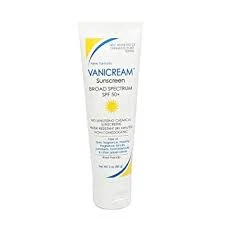
Vanicream Sunscreen, Broad Spectrum SPF 50+
Low concern; mineral formulas rarely contain PFAS, but no brand commitment evident.
This mineral sunscreen uses zinc oxide and titanium dioxide instead of chemical filters, which historically have lower PFAS risk. The brand offers no PFAS-free claim or verification.
We flunk more products than we pass. This one earned its grade. How we grade
Material
Mineral sunscreen actives (zinc oxide, titanium dioxide); emollient base
Lab data
No public lab test
You may also be interested in
Top-graded picks in the categories readers replace first, every one scored on the same rubric.

- polypropylene filter housing, carbon/sediment cartridge
- We found no PFAS statement from the brand
- Bacterial growth in spent cartridges
3 hazards checked on this product, all on its full breakdown.

Aquasure
Premier Series 75 GPD Under Sink Reverse Osmosis Water Filtration System
- RO membrane, carbon filters, stainless steel housing
- We found no PFAS statement from the brand
- Bacterial and microbial growth in housing and filters
4 hazards checked on this product, all on its full breakdown.

Avocado
Vegan Mattress
- organic cotton, natural latex, coconut coir, recycled steel coils
- The brand calls it PFAS-free, which we have not verified
- Heavy metals
2 hazards checked on this product, all on its full breakdown.
What Vanicream Sunscreen Spectrum SPF 50+ is made of, ingredients and materials
Vanicream Sunscreen SPF 50+ uses zinc oxide and titanium dioxide as active ingredients. These are physical (mineral) blockers that sit on skin rather than absorb into it, making them chemically inert once applied. The emollient base typically includes glycerin, petrolatum, and silicones to provide hydration and spreadability without occlusive comedogenic waxes.
What’s concerning
Category baseline
The starting point for this type of product, before anything specific to this product is counted.
No PFAS disclosure
No public statement from the brand about PFAS in this product.
Inhalation risk from powder or spray application
If this product is sold in powder or spray form (not confirmed for this specific variant), inhalation of zinc oxide or titanium dioxide particles poses minimal risk in normal use but should be avoided in enclosed spaces or by individuals with respiratory sensitivity.
What’s reassuring
Base material not linked to PFAS
The main material recorded for this product is not one associated with PFAS.
Skin irritation or sensitization from inert minerals
Zinc oxide and titanium dioxide are well-tolerated on skin for the vast majority of users. No allergenic response is documented for Vanicream's formulation; the brand explicitly avoids fragrances, dyes, and common irritants.
Heavy metals
Commercial-grade zinc oxide and titanium dioxide used in FDA-regulated sunscreens undergo purity testing for cadmium, lead, and arsenic. No contamination events are documented for Vanicream products; brand does not disclose third-party testing but complies with USP standards.
Source, FDA ↗Preservative toxicity in emollient base
Vanicream does not use formaldehyde releasers or parabens in most variants. If preservatives are present, they are typically phenoxyethanol or benzoic acid derivatives, which carry minimal toxicity at permitted levels in topical products.
Photo-unstability of mineral actives
Zinc oxide and titanium dioxide are photostable and do not degrade into toxic compounds under UV exposure. They remain effective as sun-protective barriers throughout their shelf life when stored properly.
How is this PFAS grade calculated?
The brand's record and disclosure
Vanicream is owned by Clizia Inc. and markets itself as a hypoallergenic, dye-free, and fragrance-free brand targeting sensitive skin. The company does not make explicit PFAS commitments in public materials, though mineral-only formulas are inherently unlikely to contain fluorinated compounds. No significant safety recalls or controversies are on record for this product line.
How it compares in its category
Mineral sunscreens like this are generally considered to have lower concern than chemical alternatives (oxybenzone, avobenzone) because the actives do not penetrate skin. Vanicream's minimalist ingredient list is more transparent than many premium brands; however, it offers no third-party certifications (e.g., NSF, EWG Verified) that some competitors display. Price point is mid-range for mineral products.
If you buy it
Apply generously and reapply every 2 hours or after swimming or heavy sweating. Store in a cool, dry place away from direct heat; mineral sunscreens do not degrade at room temperature. Check the expiration date yearly; active ingredients remain stable for 3 years from manufacture. Do not ingest; if swallowed in quantity, seek medical advice, though ingestion of zinc oxide in small amounts is low-toxicity.
What is not known about PFAS in this product?
- Basis
- Model estimate, 72% confidence, not a lab result
- Lab test
- None on record for this exact product
- Brand statement
- Vanicream has made a specific claim
Formulations change between production runs, so check the current label. How we grade.
What are the PFAS-free alternatives to Vanicream Sunscreen, Broad Spectrum SPF 50+?
- Mineral sunscreen, zinc oxide base
- A third party reports verifying it as PFAS-free
- 1,4-dioxane (non-intentional contaminant from surfactants/emulsifiers)
2 hazards checked on this product, all on its full breakdown.
- mineral sunscreen (zinc oxide or titanium dioxide base)
- The brand calls it PFAS-free, which we have not verified
- Synthetic fragrance allergens
More sunscreen grades
How we score, every product runs through the same public 0-100 rubric based on materials, coatings, brand disclosure, lab findings, and recalls. See the full methodology → Spotted a mistake? Report an error.