
Sure Enough Victoria Carpet
Stain-resistant carpet likely treated; PFAS risk unclear without disclosure.
The brand does not publicly disclose PFAS use or testing for Sure Enough. Stain and water resistant treatments on wool carpets commonly contain PFAS, but brand transparency is absent.
The better-graded swap
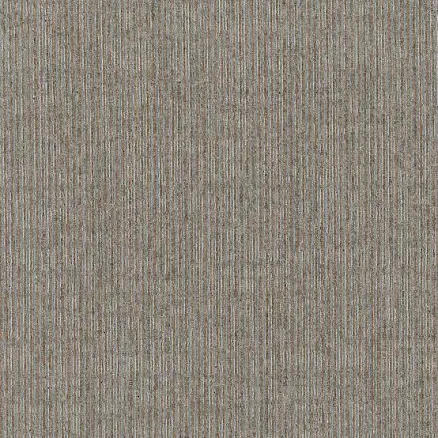
Mohawk
Mohawk Basics 24 x 24 Carpet Tile EnviroStrand PET Fiber
75/100 safety
Same rubric that flunked this product. The swap earned Excellent.
Still want this one anyway? Check the price on Amazon. We’d swap it.
Material
Wool blend carpet with stain/water resistance treatment
Brand disclosure
Brand is silent on PFAS
Lab data
No public lab test
You may also be interested in
Top-graded picks in the categories readers replace first, every one scored on the same rubric.

- polypropylene filter housing, carbon/sediment cartridge
- We found no PFAS statement from the brand
- Bacterial growth in spent cartridges
3 hazards checked on this product, all on its full breakdown.

Aquasure
Premier Series 75 GPD Under Sink Reverse Osmosis Water Filtration System
- RO membrane, carbon filters, stainless steel housing
- We found no PFAS statement from the brand
- Bacterial and microbial growth in housing and filters
4 hazards checked on this product, all on its full breakdown.

Avocado
Vegan Mattress
- organic cotton, natural latex, coconut coir, recycled steel coils
- The brand calls it PFAS-free, which we have not verified
- Heavy metals
2 hazards checked on this product, all on its full breakdown.
What Sure Enough Victoria Carpet is made of, ingredients and materials
Sure Enough Victoria is a wool blend carpet, meaning it combines natural wool fibers with synthetic backing or blended synthetics for durability and cost. Wool itself does not off-gas volatile organic compounds or release formaldehyde like some synthetic-only carpets. However, the stain and water resistance treatment applied to this product is not publicly disclosed by the brand. This treatment is the primary chemical hazard concern, as it often contains fluorinated compounds (PFAS) or other synthetic water repellents that can persist in the home environment.
What’s concerning
Waterproof / stain-resistant treatment
Water-repellent coating treatments have historically used PFAS.
Category baseline
The starting point for this type of product, before anything specific to this product is counted.
No PFAS disclosure
No public statement from the brand about PFAS in this product.
Undisclosed stain/water resistance treatment chemistry
Sure Enough Victoria includes stain and water resistance but the brand does not publicly disclose whether this uses PFAS, fluorine-free alternatives, or other chemicals. Without material safety data, risk cannot be ruled out.
Synthetic backing or blend component VOC off-gassing
If the wool blend includes synthetic latex or polyurethane backing, minor VOC release (primarily formaldehyde and styrene) can occur during and shortly after installation, especially in warm conditions. Wool itself does not off-gas significantly.
Dust and fiber shedding over time
Wool blend carpets naturally shed fibers, especially in early months and in high-traffic zones. Regular vacuuming prevents accumulation; shedding itself is not toxic but contributes to indoor particulate load.
What’s reassuring
Flame retardants
No flame retardant treatment is mentioned in available product information for Sure Enough Victoria. If present, it would typically be applied to backing rather than surface wool, reducing direct contact risk, but the brand has not confirmed absence or presence.
Source, EPA ↗Heavy metals
No testing or recalls identify antimony or heavy metals in Sure Enough Victoria. Synthetic polyester or nylon backings can carry trace antimony as a flame-retardant catalyst, but no evidence suggests this product contains elevated levels.
Source, FDA ↗How is this PFAS grade calculated?
The brand's record and disclosure
The brand has not published detailed material safety data sheets, chemical treatment disclosures, or sustainability certifications for the Sure Enough line. The brand's silence on stain-resistance chemistry is notable, as transparent manufacturers typically specify whether treatments are PFAS-free or third-party tested. No major recalls or safety controversies are on record for this brand, but lack of disclosure does not indicate safety, only lack of transparency.
How it compares in its category
Stain-resistant carpets are common but vary widely in treatment choice. Untreated wool or wool blends, or those treated with alternatives not linked to PFAS (like silicone-based or paraffin wax treatments), carry lower chemical risk. Many premium brands now voluntarily disclose PFAS-free status; The brand' silence puts Sure Enough in a middle-to-lower transparency tier. Synthetic carpets with heavy flame retardant or antimony-containing polyester backing typically pose higher hazards than this wool blend.
If you buy it
Request detailed chemical treatment information from the manufacturer or retailer before purchase if stain resistance is your priority. Install the carpet in a well-ventilated space and allow 48-72 hours of ventilation after installation, as any off-gassing will occur early. Vacuum regularly (weekly for high-traffic areas) to reduce dust and potential fiber shedding. Clean spills promptly with water or mild soap rather than harsh chemical stain removers, which can degrade the treatment and potentially release chemicals. Replace after 7-10 years or sooner if backing deteriorates, as aged carpet backing can shed particles.
What is not known about PFAS in this product?
- Basis
- Model estimate, 45% confidence, not a lab result
- Lab test
- None on record for this exact product
- Brand statement
- has made none
Formulations change between production runs, so check the current label. How we grade.
What are the PFAS-free alternatives to Sure Enough Victoria Carpet?
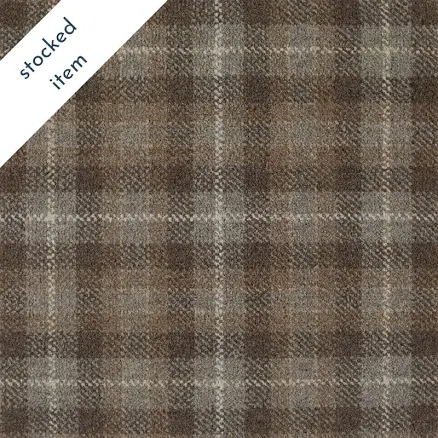
- wool plaid, Axminster weave
- We found no PFAS statement from the brand
- Formaldehyde / VOCs
4 hazards checked on this product, all on its full breakdown.
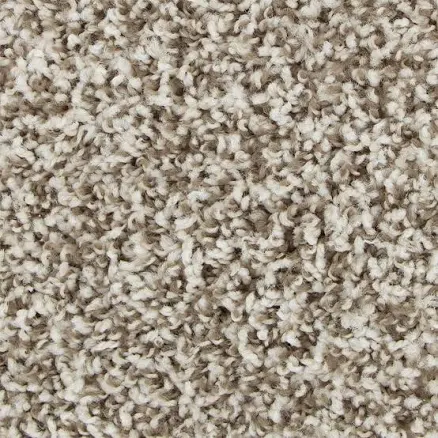
- polyester fiber, untreated
- We found no PFAS statement from the brand
- Formaldehyde / VOCs
4 hazards checked on this product, all on its full breakdown.
- Ceramic tile, porcelain, or stone composite
- We found no PFAS statement from the brand
- Volatile Organic Compounds (VOCs) from installation adhesives and grout
4 hazards checked on this product, all on its full breakdown.
More carpets & rugs grades
How we score, every product runs through the same public 0-100 rubric based on materials, coatings, brand disclosure, lab findings, and recalls. See the full methodology → Spotted a mistake? Report an error.