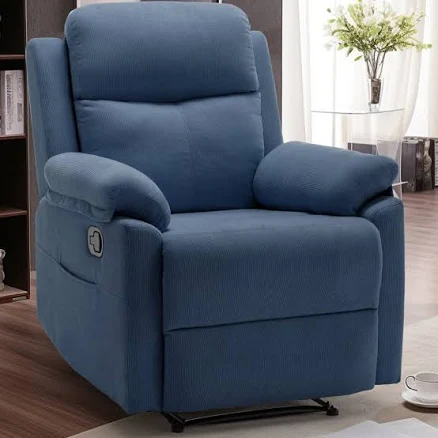
Korser Manual Recliner Chair
Manual recliner chairs rarely require PFAS coatings, but silent brands deserve caution on hidden fabric treatments.
The Korser is upholstered furniture with no known PFAS-critical components. The brand makes no public disclosure about stain-resistant or water-resistant treatments on the fabric, which could contain PFAS.
We flunk more products than we pass. This one earned its grade. How we grade
Material
upholstered seating; fabric/foam construction
Brand disclosure
Brand is silent on PFAS
Lab data
No public lab test
You may also be interested in
Top-graded picks in the categories readers replace first, every one scored on the same rubric.

- polypropylene filter housing, carbon/sediment cartridge
- We found no PFAS statement from the brand
- Bacterial growth in spent cartridges
3 hazards checked on this product, all on its full breakdown.

Aquasure
Premier Series 75 GPD Under Sink Reverse Osmosis Water Filtration System
- RO membrane, carbon filters, stainless steel housing
- We found no PFAS statement from the brand
- Bacterial and microbial growth in housing and filters
4 hazards checked on this product, all on its full breakdown.

Avocado
Vegan Mattress
- organic cotton, natural latex, coconut coir, recycled steel coils
- The brand calls it PFAS-free, which we have not verified
- Heavy metals
2 hazards checked on this product, all on its full breakdown.
What Korser Manual Recliner Chair is made of, ingredients and materials
Manual recliners like this typically combine polyurethane or polyester foam padding, wooden or metal frames, and upholstery fabric (polyester blends are common in furniture). The adhesives bonding foam to fabric and the fabric finish treatments are the primary chemical exposure points. Polyurethane foam can off-gas volatile organic compounds (VOCs) during the first weeks after purchase, and fabric treatments, particularly stain-resistant coatings, are where PFAS and formaldehyde resins often hide. The brand does not publicly disclose fabric finish specifications for most private-label furniture, making composition opacity a concern.
What’s concerning
Category baseline
The starting point for this type of product, before anything specific to this product is counted.
No PFAS disclosure
No public statement from the brand about PFAS in this product.
VOC off-gassing from polyurethane foam and polyester adhesives
Budget upholstered seating in this price range typically uses polyurethane foam and solvent-based or water-based adhesives that release VOCs (formaldehyde, toluene, xylene) over 2-4 weeks. The brand does not disclose foam grade or adhesive type for the Korser, making specific exposure quantification impossible.
Formaldehyde / VOCs
Polyester upholstery commonly receives wrinkle-resistant or soil-resistant finishes that may contain formaldehyde-releasing resin or PFAS-based repellents. Without disclosure of fabric treatment, presence cannot be ruled out; budget recliners often use lower-cost finishes with higher chemical intensity.
Source, ATSDR ↗Azo dye risk in upholstery fabric
Polyester fabrics in budget furniture may contain azo dyes, which can degrade into carcinogenic aromatic amines under conditions of heat, sweat, or abrasion. Darker or vibrantly colored fabrics carry elevated risk; The brand discloses no dye standards for the Korser.
Flame retardants
U.S. furniture flammability standards (16 CFR 1633) may require foam or fabric treatments; chlorinated or brominated flame retardants are phased out but still present in older inventory. The brand's sourcing timeline and chemical compliance statements are undisclosed.
Source, EPA ↗What’s reassuring
Base material not linked to PFAS
The main material recorded for this product is not one associated with PFAS.
Frame adhesive and wood treatment leachables
If frame includes particleboard or plywood, formaldehyde-based adhesives are typical; if solid wood, stains or finishes may contain heavy metals. No recalls or reports specific to Korser frame chemistry exist on record.
How is this PFAS grade calculated?
The brand's record and disclosure
The brand has no established chemical disclosure policy for upholstered furniture and does not publish certifications like Greenguard or OEKO-TEX for most in-house brands. The company has faced no major recalls specifically tied to chemical hazards in seating, but its silence on fabric treatment practices is notable given industry trends toward hidden PFAS application. The brand's privacy on material sourcing contrasts with competitors offering third-party certifications, making independent verification of chemical safety difficult.
How it compares in its category
Manual recliners from the brand generally sit in the budget-to-mid-tier segment where fabric treatments and adhesive cost-cutting are common. Premium manual recliners (West Elm, Article) often disclose fabric source and certifications; budget alternatives (Amazon Basics, Walmart) typically offer similarly opaque disclosure. The Korser model offers no documented advantage in chemical safety profile compared to category peers, making transparency the differentiator rather than material choice.
If you buy it
Air out the chair in a well-ventilated space (open windows, outdoor patio) for 48-72 hours after delivery to reduce initial VOC off-gassing from foam and adhesives. Avoid placing it in direct sunlight or high-heat environments, as this accelerates fabric finish degradation and potential chemical release. Test a small hidden area of fabric with a damp cloth before deep cleaning to check for dye bleeding or finish instability. Request a material specification sheet from before purchase if chemical sensitivities are a concern; silence suggests they cannot provide one.
What is not known about PFAS in this product?
- Basis
- Model estimate, 45% confidence, not a lab result
- Lab test
- None on record for this exact product
- Brand statement
- has made none
Formulations change between production runs, so check the current label. How we grade.
More recliners grades
How we score, every product runs through the same public 0-100 rubric based on materials, coatings, brand disclosure, lab findings, and recalls. See the full methodology → Spotted a mistake? Report an error.